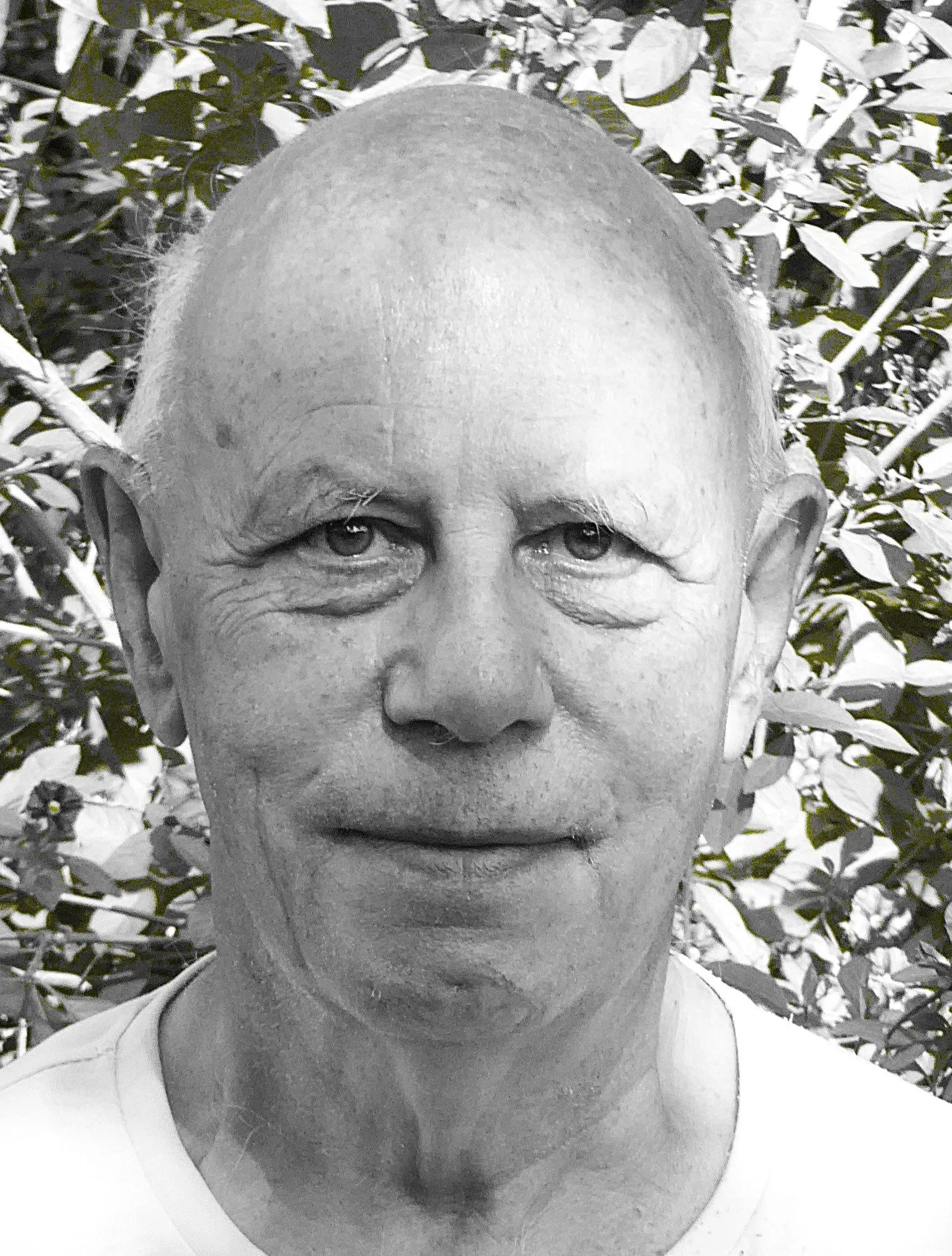

At the age of 82 Claude Lorius looks back on his career and on his trips to Antarctica which provided scientific proof regarding climate change.

This is, I think, a film that lacks the popular touch. That is surprising because the filmmaker is Luc Jacquet who made his name with the Oscar-winning hit March of the Penguins (2005). Furthermore the music used here, including Cyrille Aufort’s original score, is of the kind that seems consciously set up to appeal and the very title, Ice and the Sky, suggests a film of stunning vistas. Instead, in presenting in chronological order the life story of the geologist Claude Lorius, the film relies to a significant extent on old archive material, some in colour and some in black and white, which sits in the middle of the screen and lacks visual distinction.
On Jacquet’s behalf it should be pointed out that the focus here is scientific as we learn of the many Polar expeditions undertaken by Lorius from the mid-1950s onwards. His work involved drills going deeper and deeper through ice to reach layers 400,000 years old. Since such ice provided evidence of temperatures that would confirm the climate change brought about by man, his investigations in the Antarctic have made an important contribution to human knowledge.
All of this, together with the extreme conditions and dangers encountered in doing the work, are evidence of the man’s dedication and bravery but, unless the viewer is scientifically minded, the film may seem a bit long and drawn out. We do see Lorius as he is today and he himself seems to be telling us his story. However, we feel cheated when the end credits suggest that the voice heard is not his but that of Michel Papineschi, and it could be that not even the words are his (the film is credited as being ‘written by Luc Jacquet’ but that phrase can have various meanings when it comes to documentaries).
In any case there is nothing personal here to provide a wider view of Lorius – a single reference to wife and children covers whatever conflicts there were between work (years away on expeditions if you total them up) and family. At the close, after lamenting those who question climate change and choose to ignore his proofs, Lorius suddenly turns optimistic by declaring that mankind is at its best in times of extremity. This may make for a happy ending of sorts, but it feels contrived.
MANSEL STIMPSON
Featuring Claude de Lorius. Voiceover by Michel Papineschi.
Dir Luc Jacquet, Pro Richard Grandpierre, Screenplay Luc Jacquet, Ph Stéphane Martin, Ed Stéphane Mazalaigue, Music Cyrille Aufort.
Eskwad and Wild Touch/Pathé/Kering-Curzon Film World.
89 mins. France. 2015. Rel: 11 December 2015. Cert. U.