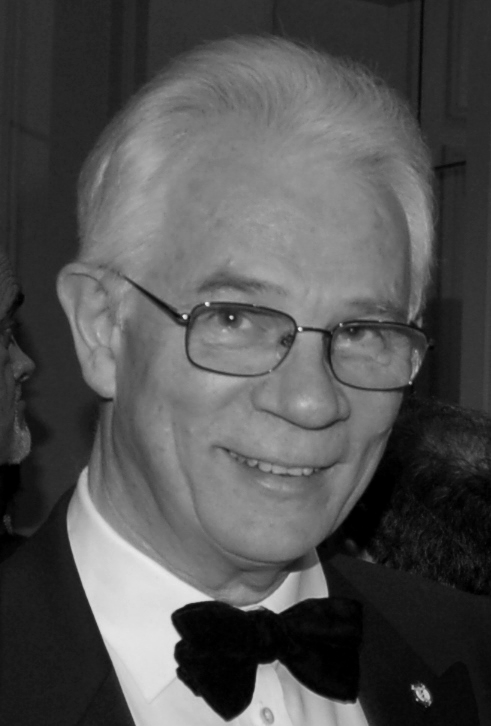
(22 June 1940 - 4 July 2016)
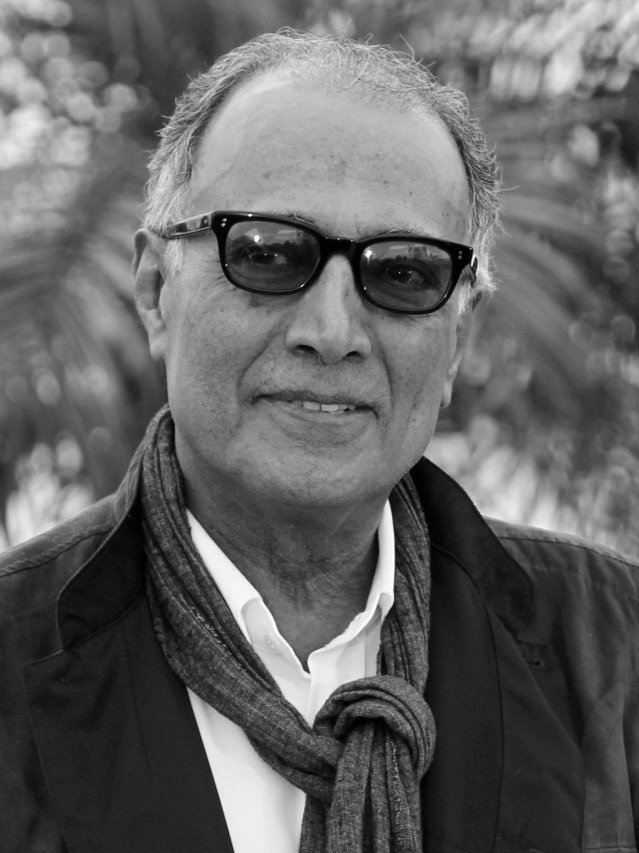
In his time the Iranian film director Abbas Kiarostami had also been a producer, a writer, an editor and a cinematographer, as well as a poet and photographer. From 1970 to 2013 he directed and wrote over forty features, documentaries and shorts, making him the most important filmmaker to come out of Iran. Initially he studied fine arts at university and then worked as a graphics designer. Joining the Institute for the Intellectual Development of Children and Young Adults in Iran (or Kanoon), he inaugurated a film department, thus beginning his career as a filmmaker. His success in making films for Kanoon led the way for other Iranian filmmakers to put Iranian cinema on the global map. It was not always a comfortable journey for Kiarostami or his fellow directors. From his first feature in 1977, The Report, he had to toe the line of the state censors and remained in Iran after the Ayatollah Khomeini revolution. Of the films he made, a particular trilogy of titles may be considered his most important – Where Is the Friend’s Home?, about a child trying to return a book to his friend; Life, and Nothing More… was about his own search for his actors following a massive earthquake; and Through the Olive Trees, a continuation of the previous film’s narrative.
Kiarostami’s films were a mixture of intellectual thinking and positive spirituality, often centring on life and death. As censorship increased he left Kanoon and later on actually quit Iran to make films in Italy and Japan. Such was his reputation respected, he was recently asked to join the Academy of Motion Picture Arts and Sciences, perhaps a tad too late to make any difference to his own life, as he had already been diagnosed with cancer.
His last feature, Like Someone In Love (2012), about a sex worker finding a connection with a widowed man, was shot in Japan. His final work was a contribution to Venice 70: Future Reloaded (2013), a collection of short films on cinema and its future by seventy of the world’s most celebrated directors. Kiarostami’s films won awards all over the world including top prizes at Cannes and Venice. He was made a Fellow of the British Film Institute and received Japan’s Medal of Honour. He has left a lasting legacy of work by a true auteur of the cinema.
MICHAEL DARVELL