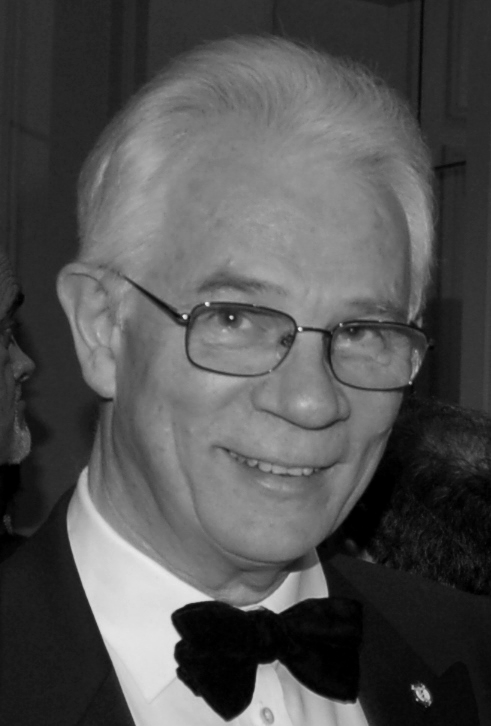
(3 August 1927 - 24 November 2023)
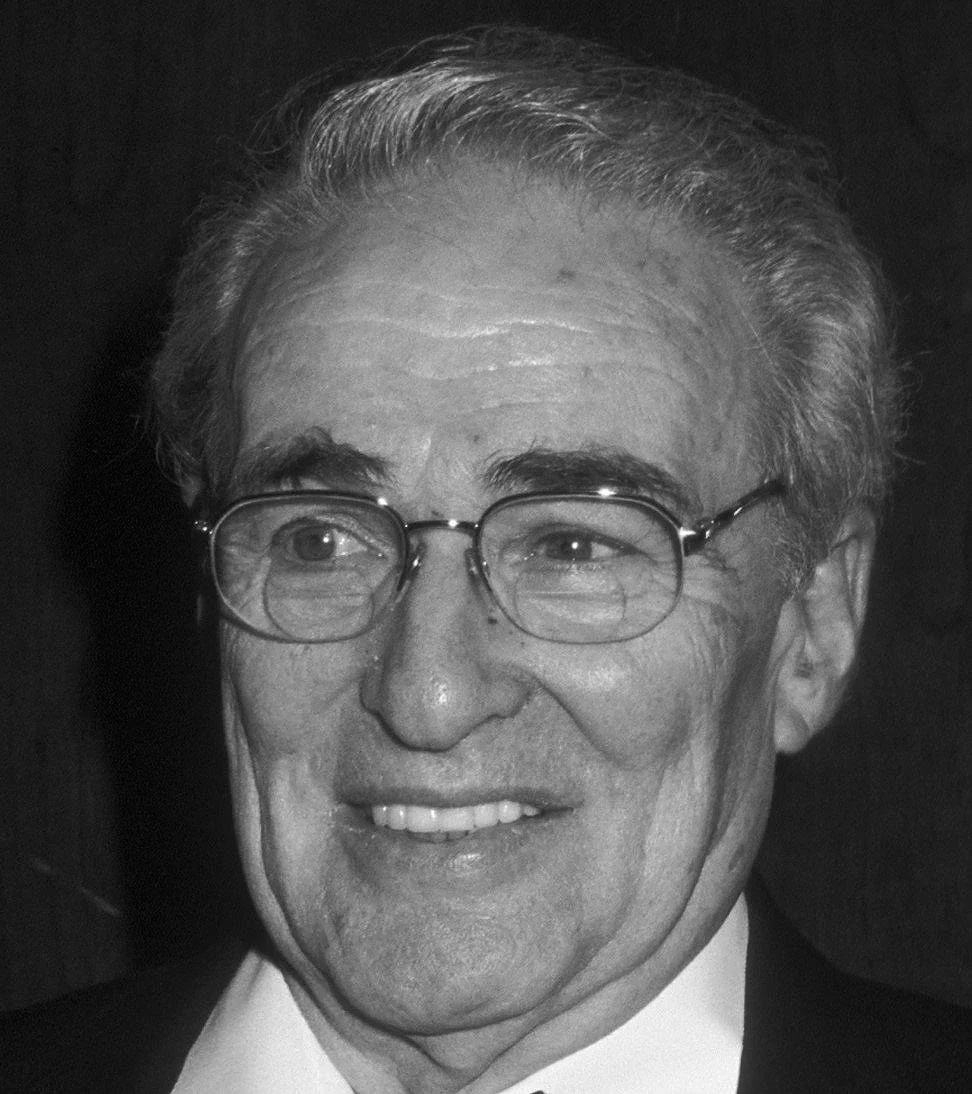
The American film and television director Elliot Silverstein, who has died aged 96, worked mainly on TV from 1954 to 1994, but with breaks to make a few films. He began on Omnibus in 1954, a CBS variety show of educational entertainment sponsored by the Ford Foundation. Then he directed the Suspicion and Checkmate mystery series, the Westerns Black Saddle, Sam Peckinpah’s The Westerner and Have Gun - Will Travel, then Route 66 and Naked City. Remember ‘‘There are eight million stories in the Naked City, and this has been one of them’’? Later on he did Dr Kildare, Twilight Zone, The Defenders and Tales from the Crypt etc.
Eliott Silverstein was born in Boston, Massachusetts, and he went to Boston College to major in biology but changed to drama and studied directing at Yale. He began his career by mounting plays for Brandeis University. After Maybe Tuesday, a Broadway comedy that lasted just four nights, he turned to TV. Although he made only six features, Silverstein struck lucky with his first, Cat Ballou, in 1965. Lee Marvin played the dual role of a gunman who can only aim true when he’s drunk and his twin brother, a very nasty hired gun with a tin nose. Jane Fonda played the title role, a schoolteacher who hires the former to protect her and her father from the latter. Lee Marvin was comedy gold and won the Oscar for best actor while the film snared nominations for best screenplay, editing, music and song.
Two years on Silverstein directed The Happening in which four layabouts kidnap a dodgy businessman (Anthony Quinn). When nobody would pay the ransom for his release, he raises his own ransom and blackmails his family and Mob pals. The film had Faye Dunaway in her first movie, Michael Parks and Robert Walker, but was a so-so success. Better was A Man Called Horse with Richard Harris as John Morgan, a British aristocrat captured by Native Americans. Used to his fate he falls in love with a Sioux woman. One scene stands out where Harris is strung up by his chest in a test of his strength of character. The film was a critical and commercial success and spawned two sequels.
Nightmare Honeymoon (1974) was a low-budget thriller about a newly-married couple terrorised by rapists in Louisiana. The film was not good, and even the original director, Nicolas Roeg, quit after less than a week. In 1977 The Car was a better, albeit crazy, tale about a vehicle terrorising a small town. The director’s last film, Flashfire, had Billy Zane and Lou Gossett Jr in a tale of corruption and conspiracy, but that went straight to video.
Elliot Silverstein married Evelyn Ward in 1962 but divorced in 1968. He later married Alana King. After retiring, he taught film at the University of Southern California. In movie politics he pushed for more input by actors and directors in films and TV. He was given a Youth Film Award at Berlin, the Western Heritage Bronze Wrangler Award for A Man Called Horse, and the Robert Aldrich Achievement Award from the Directors’ Guild of America, of which he was an Honorary Life Member.
MICHAEL DARVELL