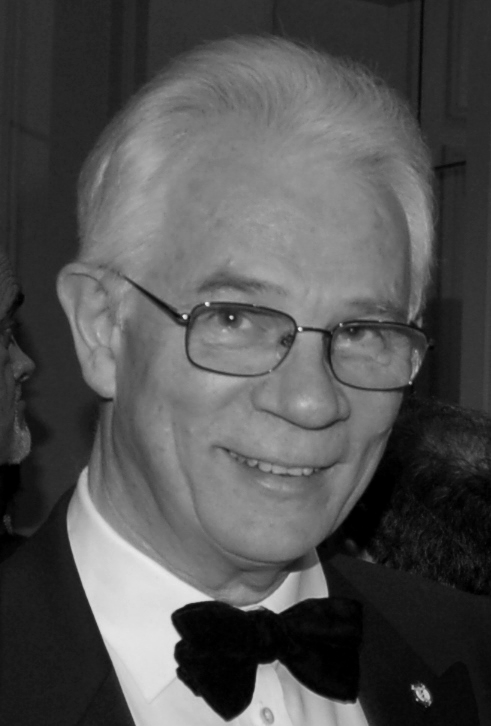
(28 December 1953 - 6 May 2025)
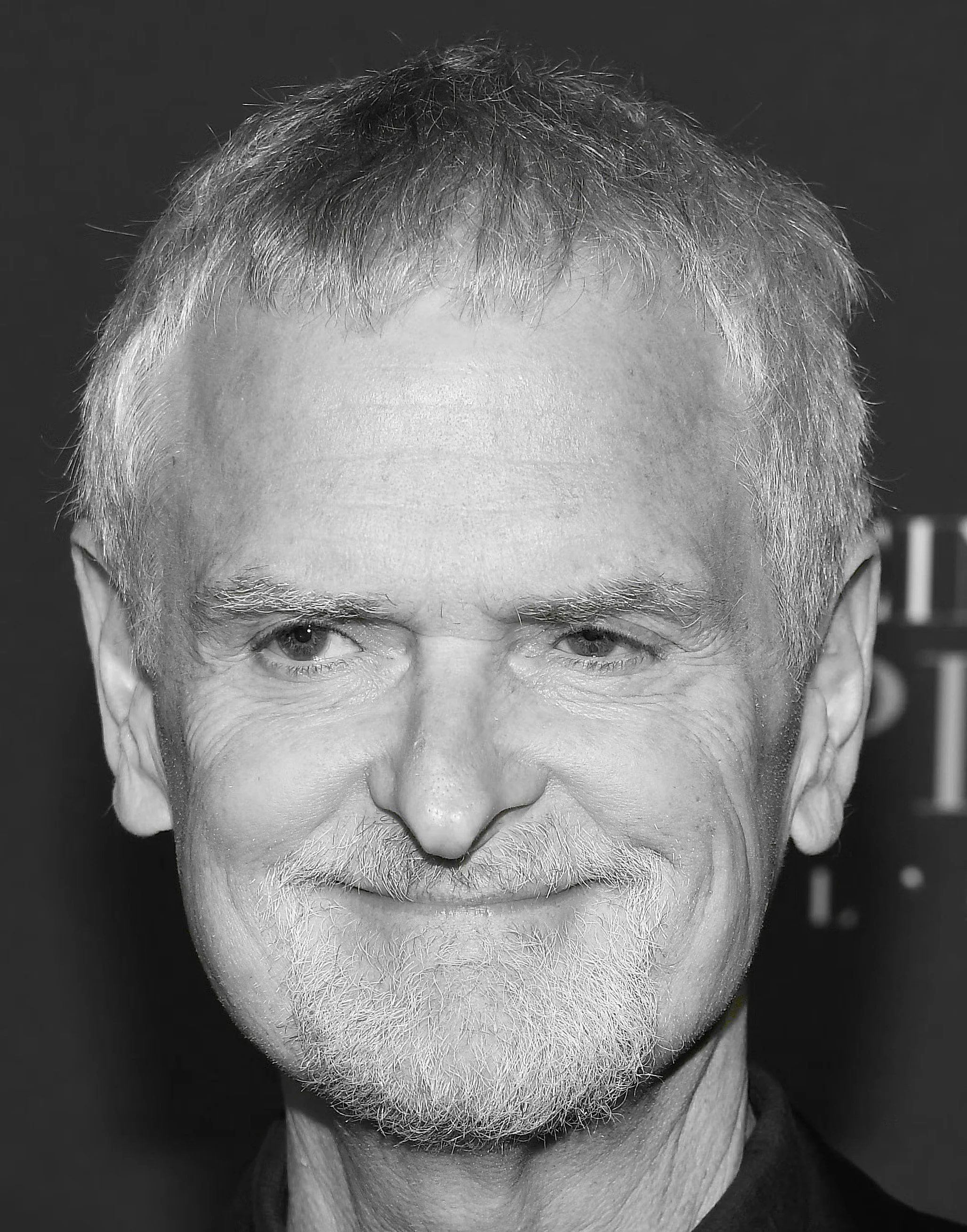
The American film director James Foley, who has died from brain cancer at the age of 71, became involved in films almost by accident, as his original plan was to train as a doctor. From 1984, however, he embarked on a movie career, but over a period of some 35 years directed just thirteen films. He also worked in television and contributed music videos for Madonna.
His career began with Reckless (1984), a romantic drama starring Aidan Quinn and Daryl Hannah with a screenplay by Chris Columbus who subsequently disowned what Foley had made of it. Foley’s career ended with the two sequels to Fifty Shades of Grey, so the director remained controversial to the end.
James Foley was born in Bay Ridge, Brooklyn, New York, the son of a lawyer. He grew up in Staten Island and graduated from the State University of New York at Buffalo with a degree in psychology. After ditching the idea of a career in medicine, he changed his mind, studied film production and received a master’s degree from the University of Southern California. His student film was spotted by director Hal Ashby who commissioned Foley to write a screenplay, although Ashby’s company then went bust. However, for Foley to be associated with the director gave him some kudos in his burgeoning career. After Reckless he went on to make At Close Range (1986), a real-life crime drama with Sean Penn and Christopher Walken and with a song by Madonna who was married to Penn. The film lost money. Foley then worked with Madonna on Who’s That Girl?, a comedy about a girl accused of murdering her boyfriend, who sets out to find the real culprit with the aid of Griffin Dunne. Again, the film failed to find a big audience in the US but fared better abroad. Foley went on to write and direct After Dark, My Sweet (1990), based on the novel by Jim Thompson, about an ex-boxer who escapes from a mental home and meets a widow with a friend who plans to kidnap a rich man’s child. With Jason Patric, Rachel Ward and Bruce Dern, it was well reviewed but was no box office smash.
Glengarry Glen Ross (1992) is arguably Foley’s best film. Based on David Mamet’s controversial play about real-estate salesmen fighting for their jobs, it is noted for its constant use of swear words. It starred Al Pacino (who was Oscar-nominated for his part as Richard Roma), Jack Lemmon, Alec Baldwin, Kevin Spacey and Ed Harris. Pacino appeared again for Foley in Two Bits, a 1930s drama about old age written by Joseph Stefano. The Chamber (1996) was a John Grisham legal thriller with Chris O’Donnell, Gene Hackman and Faye Dunaway that was not a success and a disaster according to the novel’s writer. Fear was a psychological thriller with Mark Wahlberg and Reese Witherspoon but it received only average attention. Foley continued to make films until 2007. He then worked in television on several series including twelve episodes of House of Cards, the US version of Michael Dobbs’s novel and the UK TV series. Starring Kevin Spacey as a ruthless politician, it was a smash hit, running to six seasons covered in Emmy and Golden Globe nominations.
Foley’s career went out on a high when he directed the two sequels to the erotic romantic drama Fifty Shades of Grey. Fifty Shades Darker and Fifty Shades Freed were shot back-to-back. How could they possibly fail? Well, they didn’t, and they earned millions hand over fist. They may not have been a critical success but they proved that James Foley was a bankable director. Other work he had done in his career included the music videos for Madonna Live to Tell, Papa Don’t Preach and True Blue, for which Foley used the pseudonym Peter Percher. He was also the best man at Madonna’s wedding to Sean Penn. James Foley himself was unmarried and is survived by his brother Kevin and other members of his family.
MICHAEL DARVELL