
MARCEL OPHULS
(1 November 1927 - 24 May 2025)
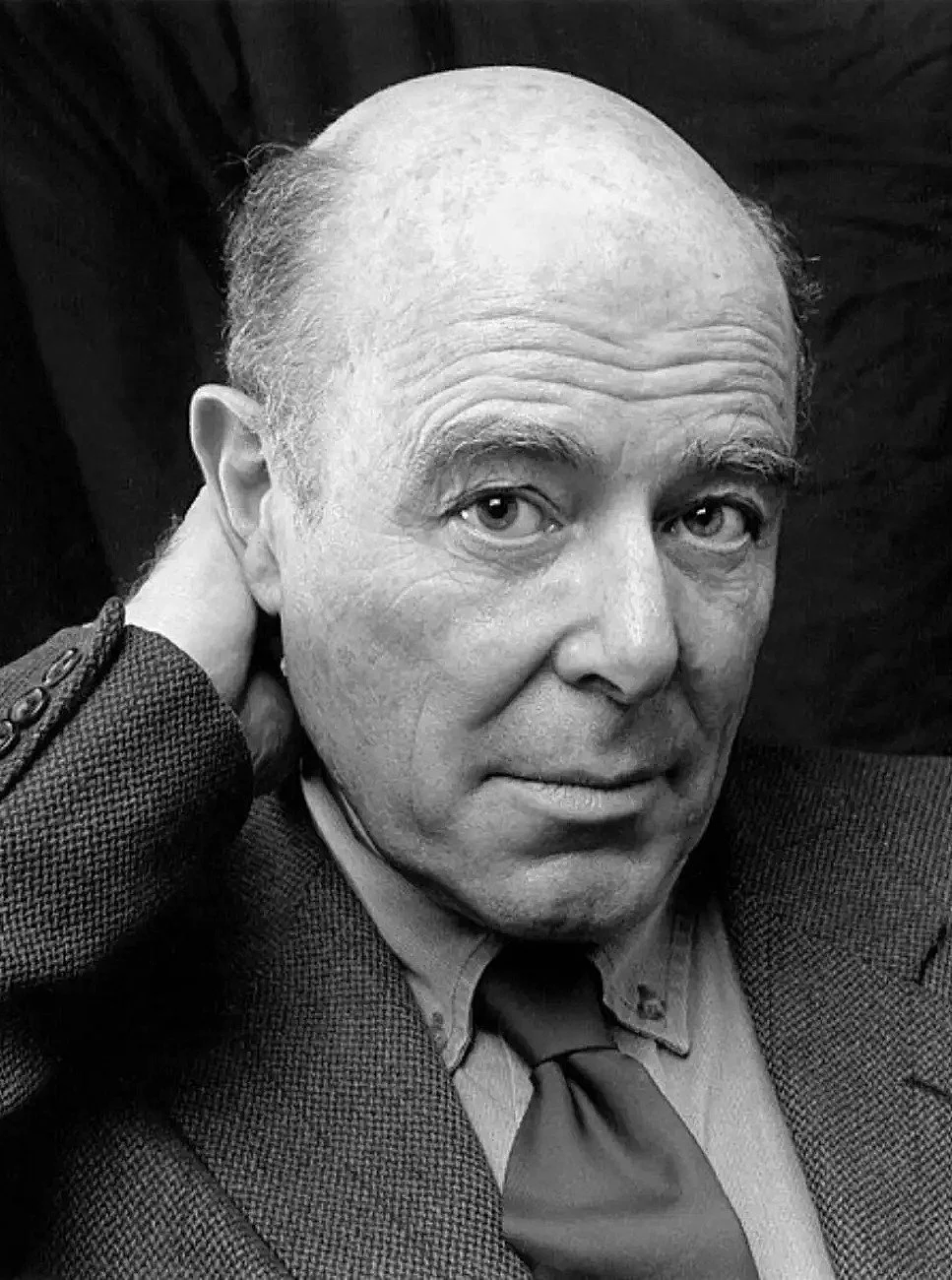
Marcel Ophuls was a German-French and American filmmaker who specialised in making outstanding documentaries on important subjects allied to aspects of war. He also acted in a handful of films before concentrating on documentaries, perhaps to avoid a clash and possible comparison with his father, Max Ophuls, a very different filmmaker altogether, being famous for his romantic approach to fictional subjects and impeccable style in storytelling. Both father and son were masters of their craft.
Max Ophuls, the father, had a comparatively short life, dying in 1957 at the age of 54. His son, Marcel, has died in France aged 97. The latter was born Hans Marcel Oppenheimer to Max Ophuls, also born Max Oppenheimer Ophuls, in Frankfurt-am-Main, Hesse, in Germany, and his wife, Hildegarde Wall, a member of the Burgtheater company in Vienna. It was a German-Jewish family that left Germany when Hitler came to power, moving to the USA in 1941. Marcel Ophuls became a US citizen in 1950, the year his film career began, working as an assistant to John Huston, Anatole Litvak and Julien Duvivier. Meeting François Truffaut back in France saw him directing an episode in the Love at Twenty portmanteau film. He also directed Banana Peel, a comedy with Jeanne Moreau and Jean-Paul Belmondo, which was shot by Jean Rabier and costumed by Pierre Cardin.
Ophuls’ first major documentary was Munich or Peace in Our Time, about the Munich crisis of 1938, using film clips, interviews and newsreel footage in a three-hour film for ORTF, the French TV service. Then The Sorrow and the Pity (1969) was a two-part documentary about the collaboration between the Vichy government and Nazi Germany in World War II. It was a powerful piece of work that won the Grand Prize at the Dinard festival and was nominated in 1971 for an Academy Award for best documentary feature. The next year saw Ophuls’ A Sense of Loss with interviews from both Catholics and Protestants on the Irish Troubles, as well as politicians and other parties. Refused a showing by the BBC, the film opened the New York Film Festival.
The Memory of Justice (1976) covered the atrocities committed during wartime and, according to Ophuls, it was his most personal film. It was difficult to make and had to navigate around such issues as the US involvement in Vietnam, the Nazi regime, France and Algeria, and the Nuremberg Trials which didn’t please the original production company. Those taking part included Joan Baez, Yehudi Menuhin, Albert Speer, John Kenneth Galbraith, and Telford Taylor, author of the book on which it was based. Ophuls’ next film couldn’t have been more controversial – Hotel Terminus: The Life and Times of Klaus Barbie. The man who became a notorious Nazi war criminal enjoyed his time with the Gestapo, his speciality being torture. The film interviews journalists, investigators, lawyers and others on the atrocities Barbie committed but it took some forty years for him to be unearthed in seclusion in Bolivia, from where he was eventually deported to stand trial. The film won the 1988 Oscar for best documentary feature and the FIPRESCI award at Cannes.
Marcel Ophuls led a very difficult life raising money for his exceptionally long but thought-provoking and controversial films. In 2014 he began crowdfunding for Unpleasant Truths on the Israeli occupation of Palestine, but even with Jean-Luc Godard on board, he couldn’t raise enough and then Godard dropped out. It won’t now be completed. He did, however, make three more films, November Days, on life behind the Berlin Wall, The Troubles We’ve Seen, on journalism in wartime, and Ain’t Misbehavin’, a self-portrait of his own times on the road of life. In 1956 Marcel Ophuls married Regine Ackermann, who had been in the Hitler Youth movement. They had three children.
MICHAEL DARVELL