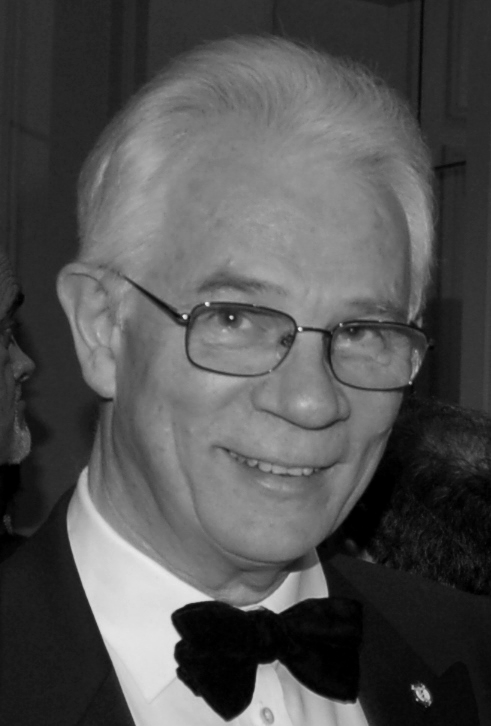
(25 August 1939 – 29 November 2024)

The American screenwriter and director Marshall Brickman, who has died at the age of 85, was known as a comedy writer for television as well as for dabbling in folk music. Eventually giving up music he wrote TV shows for Johnny Carson, Dick Cavett and Joan Rivers, as well as for Candid Camera and The Muppet Show. In the 1970s he met Woody Allen with whom he co-wrote four films, Sleeper, Annie Hall, Manhattan and Manhattan Murder Mystery. In the 1980s he directed his own screenplays, namely Simon for Alan Arkin, Lovesick for Dudley Moore and The Manhattan Project. The last-named was not a comedy as it dealt with a student creating an atomic bomb, and while the A-bomb in the story never exploded, the film bombed totally.
Marshall Jacob Brickman was born in Rio de Janeiro to Pauline and Abram Brickman, and was raised in Flatbush, attending Brooklyn Technical High School. Later on, he studied science and music at the University of Wisconsin-Madison, with hopes of becoming a doctor. He then teamed up with former schoolfriend Eric Weissberg and joined the folk band The Tarriers (their banjo LP later formed the basis of the soundtrack to Deliverance, 1972). Meeting Woody Allen was good for both artists. Allen had already made four films but their first together, Sleeper (1973), began to rate Allen as more than just a comedian-turned-director. Brickman was at ease writing jokes and comedy routines and Sleeper did well both commercially and critically. However, it was Annie Hall that really clinched their success. It was written for Diane Keaton and Woody himself, and dealt with real problems such as sexual stereotypes, difficulty with relationships, psychoanalysis and Jewish identity. Nominated for five Academy Awards it won four – for best picture, best director, best actress Diane Keaton and best screenplay by Allen and Brickman. It also won four Baftas.
Manhattan (1979) was a tribute to New York, filmed in glorious black-and-white and set to the music of George Gershwin. Again, it was about the souring of marital relationships, affairs and divorce. A hit for Keaton, Woody Allen, Mariel Hemingway and Meryl Streep, it won Oscars for Hemingway, Allen and Brickman, while Bafta voted it best film. Brickman then didn’t work with Allen until 1993 and it was Manhattan Murder Mystery that brought them together again. This was a black comedy thriller – originally an early draft of Annie Hall – about a couple investigating the death of their neighbour’s wife. Starring Keaton, Allen, Alan Alda and Anjelica Huston, it was more comedy than thriller that sent up film noir. It was a hit and won Keaton a Golden Globe.
Before Manhattan Murder Mystery Brickman wrote the musical comedy For the Boys for Bette Midler, and Intersection, a romantic drama with Richard Gere and Sharon Stone. His last film was an adaptation of his own stage musical Jersey Boys, based on the lives of Frankie Valli and The Four Seasons. Directed by Clint Eastwood, it had a cast including Christopher Walken. It may not have been as good as the stage show, but it fared well enough. Brickman co-wrote it with Rick Elice and they also collaborated on the stage musical of The Addams Family in 2009.
Marshall Brickman was married to the film editor Nina Feinberg and they had two daughters, Sophie and Jessica. Before that he was married to Russell Ann Gilliam (1964-1966), sister of Michelle Phillips of The New Journeymen group (for whom Brickman briefly played banjo).
MICHAEL DARVELL