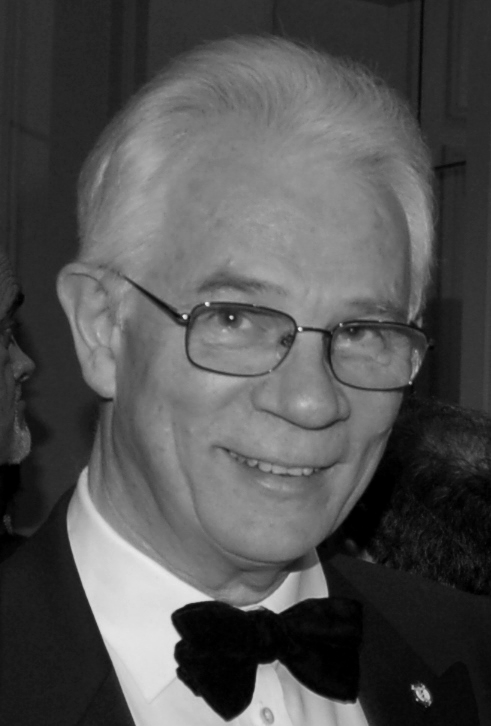
(23 December 1937 – 27 October 2026)
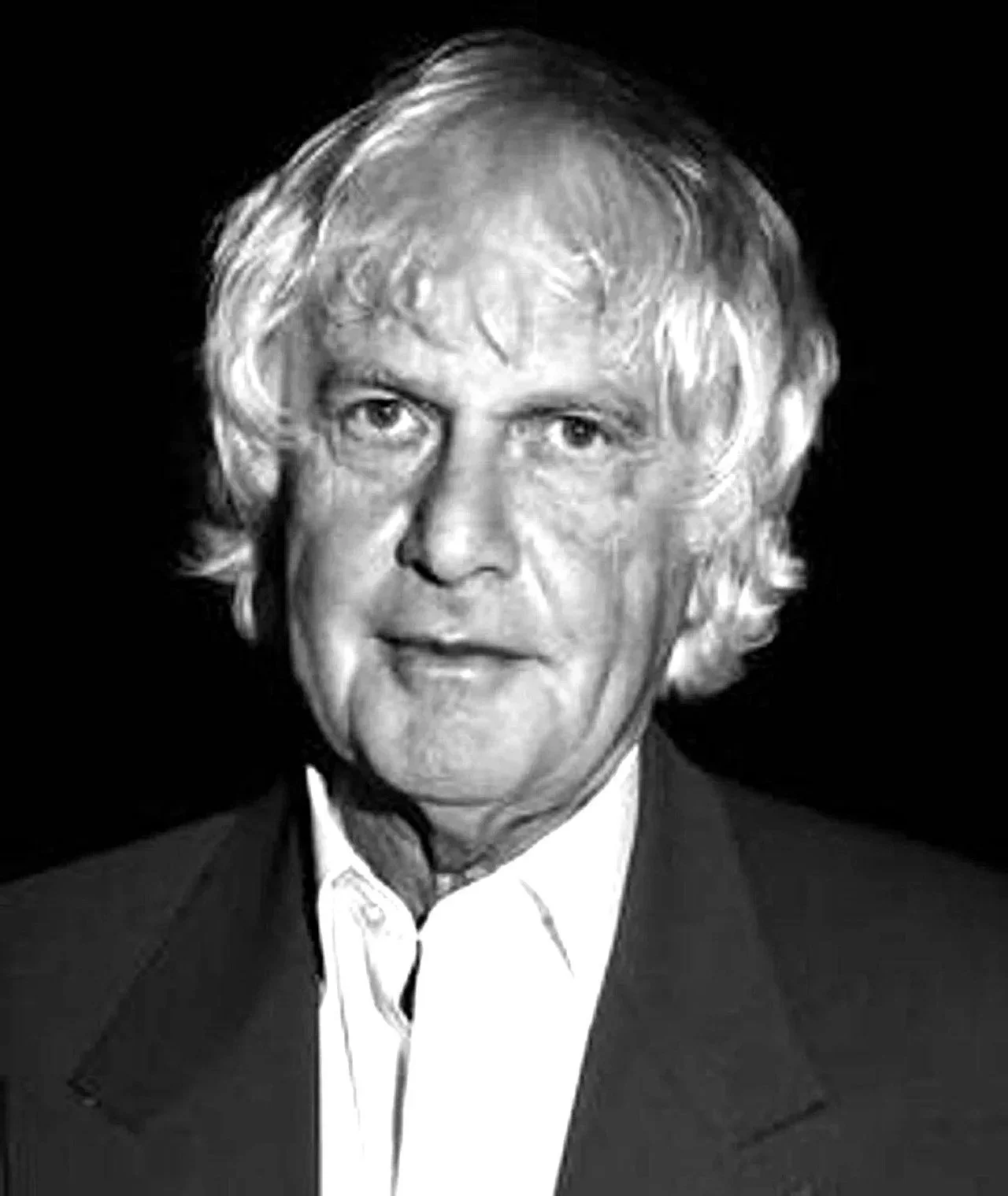
The long career of the Anglo-Hungarian film and television director Peter Medak took him from Budapest to the UK and also to the USA. Difficult to pin down to any particular genre, Medak seemed at home in both comedy and drama as well as horror and documentary. Perhaps his best film was The Ruling Class in 1972, an adaptation of Peter Barnes’ hilarious stage play which, with Peter O’Toole ‘playing’ Jesus Christ in the film version, it could do no wrong, earning nominations for an Academy Award, Golden Globe and Palme d’Or.
Peter Medak was born in Budapest, Hungary, to Elisabeth and Gyula Medak, a Jewish textile merchant. During World War II the family left their home and moved into a basement, changing their names and attending a Christian church every week. Peter left Hungary in 1956 during the Revolution and began a career as a trainee in the UK film industry. From 1963 he directed television films for MCA Universal Pictures and in 1967 joined Paramount Pictures. His first feature was Negatives in 1968, an erotic drama with Peter McEnery, Glenda Jackson and Diane Cilento which was more of a curiosity than a fully-fledged drama. He fared better with A Day in the Death of Joe Egg, a comedy about a couple coping hilariously with a disabled and mute daughter, adapted from the play by Peter Nichols. It was well received despite the blackness of the humour played out by Alan Bates and Janet Suzman. It was released in 1972, the same year as The Ruling Class (see above). After The Third Girl from the Left, a TV film written by Dory Previn about a chorus girl’s affair with a delivery boy and starring Kim Novak and Tony Curtis, Medak’s career took a plunge with Ghost in the Noonday Sun, allegedly a pirate comedy with Peter Sellers, Spike Milligan and Anthony Franciosa shot on location in Cyprus. Although Sellers wanted to make the film, his bad behaviour eventually sank the project and it was never released.
Recovering from that disaster, Medak directed Graham Chapman and David Jason in the comedy The Odd Job followed by The Changeling with George C. Scott as a composer mourning the loss of his wife and daughter. With some fairly restrained special effects it succeeded in being an excellent horror flick, while The Gay Blade (1981) was a delightful addition to the Zorro story with George Hamilton as a sweetly camp swordsman. Following a couple of years on the TV series of Faerie Tale Theatre and The Twilight Zone, Medak returned to the UK for his splendid film about The Krays, the twin East End gangsters Ronnie and Reggie, here played by Gary and Martin Kemp, twin brothers from Spandau Ballet. It also had a marvellous performance by Billie Whitelaw as Ronnie and Reggie’s mother Violet. Let Him Have It (1991) was a very fine drama about Derek Bentley, the 1953 case of a wrongly accused man hanged for a shooting he did not commit. Excellent performances by Christopher Eccleston and Paul Reynolds gave this truly terrible misjustice a proper sense of reality that Medak caught so well. It won best picture at the Evening Standard British Film Awards. Footnote: Bentley was posthumously pardoned in 1998. Peter Medak’s last narrative feature was Dating Game Killer (2017) about the convicted serial killer Rodney Alcala who was responsible for some 130 murders, followed by the 2018 documentary The Ghost of Peter Sellers.
Peter Medak was married three times, to Katharine La Kermance (until her death in 1972), the actress Carolyn Seymour (1973-1984) and the opera singer Julia Migenes (1988 to 2003). He is survived by four children and died peacefully at his home in Los Angeles at the age of 88.
MICHAEL DARVELL