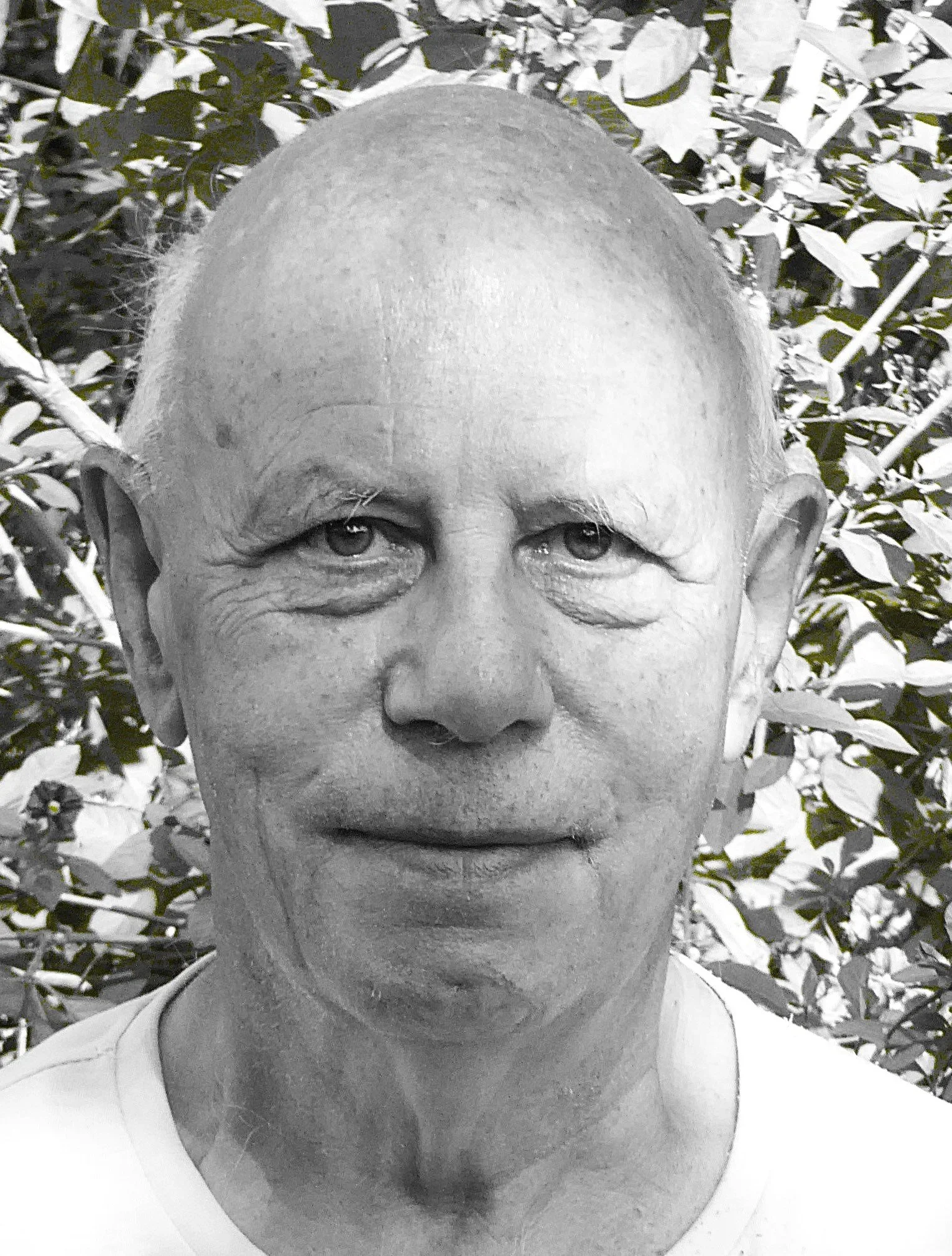

Ed Sayers’ crowd-sourced documentary celebrates Nature worldwide but is also intended as a paean to Super 8 film.
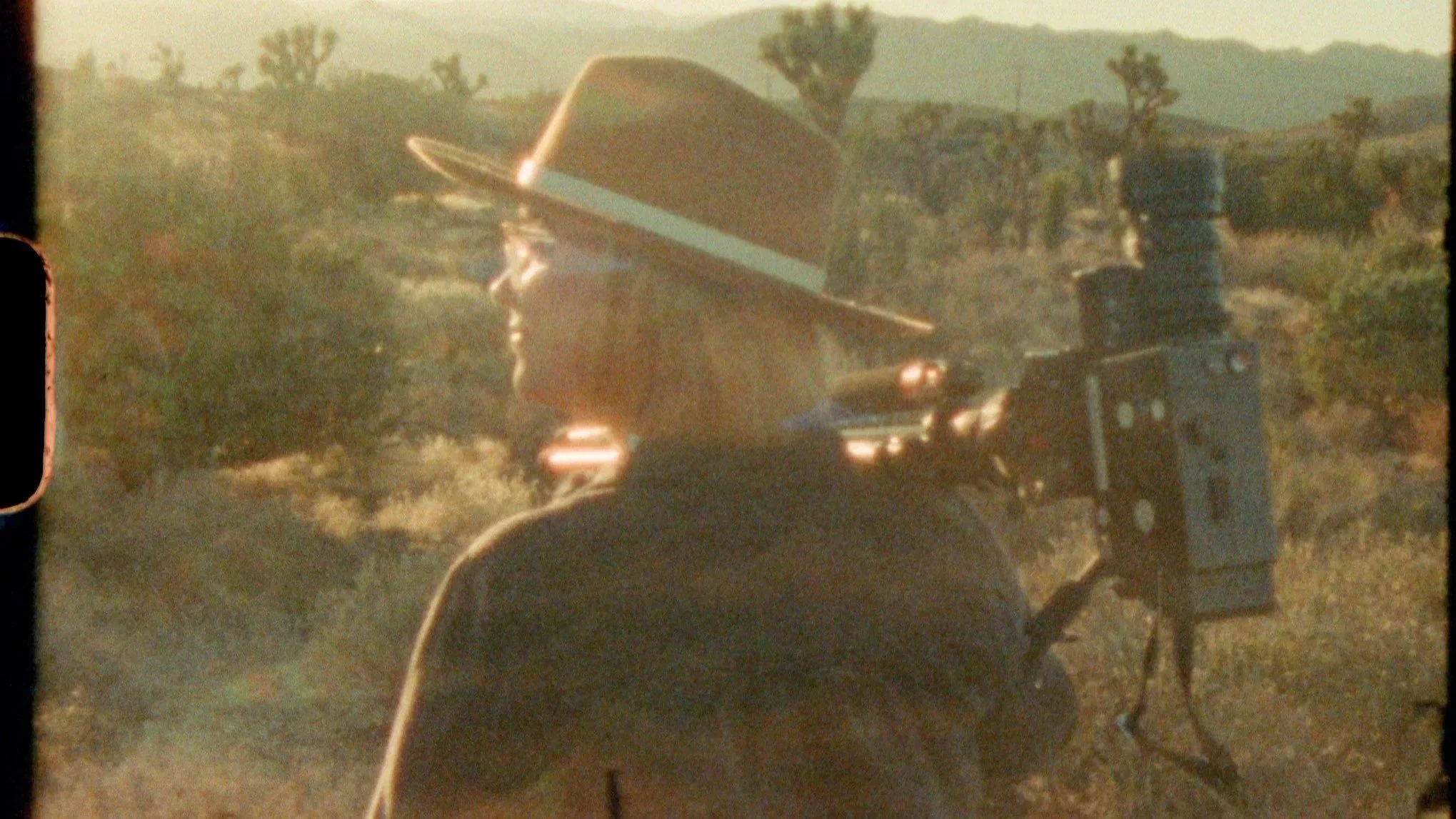
Image courtesy of British Film Institute.
by MANSEL STIMPSON
This debut feature by Ed Sayers stands out for the simple reason that it brings a novel approach to a genre, that of the nature documentary, which rarely breaks away from its traditional mould. Over the years that kind of work has persisted as a staple of cinema despite the fact that it also claims a major place in television programming. Admittedly there was a phase when the popularity of such work on British television (and not least the great achievements of Sir David Attenborough and his crew working for the BBC) cut back what was then seen in UK cinemas whereas earlier, in the 1950s, they had led the field with such items as Disney's series of true-life adventure films. Indeed, it was not only nature studies but documentaries in general which, cinematically speaking, suffered some kind of eclipse as the view spread that their natural place was on TV. But in more recent times the number of documentaries released into cinemas has shot up and that has included numerous works about the natural world. Furthermore, the threat of climate change has added an extra urgency to such studies and provided a fresh perspective even if any novelty usually came from these new themes rather than from the format or style adopted.
The impact of nature films has, of course, in the eyes of many been enhanced by the advances in photography that have arisen over the years. However, Super Nature is a compilation conceived by Ed Sayers and he, a photographer himself, begs to differ over the issue of whether or not the latest cameras really do improve what can be captured when seeking to photograph the world of nature. When you know of that, the title of his film, Super Nature, takes on an extra meaning in that the first word of it can be read as a reference to Super 8 filming. He is somebody who firmly believes that this method of shooting which was launched in 1965 captures something that other methods miss. Nor is he alone in this since Super Nature features material from twenty-five countries taken from footage shot in this way by other devotees and sent to him. More than forty contributors responded after Sayers had been inspired to bring together this wide range of Super 8 extracts. The idea came about because, having earlier set up an event known as the Straight 8 competition, he had been particularly struck by a French entry featuring flamingos made by Roger Batteault. Indeed, the credits for this film acknowledge the indebtedness to him that Sayers recognises. Furthermore, we actually see some of Batteault’s footage and, as with the other contributors, we hear on the soundtrack added comments by Batteault himself. Since he speaks in French his remarks are subtitled, but English features prominently here despite the many countries represented.
Sayers himself is seen from time to time (early on we find him on a Norfolk Beach photographing seals) and he also acts as an occasional commentator. These touches without ever becoming obtrusive give a personal touch to the film. Even so, fitting so many contributions into a feature film lasting 82 minutes means that it is the varied examples of Super 8 film taken around the world which define the special nature of the piece. The species seen could hardly range wider. A list of them at the close includes sharks, red fox, butterfly, beetle, wildebeest, tadpole and chipmunks and so many more besides. Each piece of footage is brief yet long enough for the comments from the photographers concerned to convey the extent of their passion, not just for film but for nature itself (one of the most striking comes from Zacharia Mutai in Kenya discussing his attachment to rhinos). Although this brevity is a limitation it does give the film great variety and it is also the case that the speed of it minimises concern over the limited sense of shaping when it comes to the sequence in which the extracts are shown. The one aspect that does build up comes in the second half of the film when we find greater weight being put on warnings of species being endangered due to environmental issues. It is right that this should be included, yet one also approves the decision by Sayers not to hammer it home to the extent that it would distract from his main aim which was to make a film which plays as a love letter to nature.
One of the pleasures of the film comes from sequences that carry a touch of the unexpected. Footage taken in the Pacific Ocean far from land points up the amount of plastic waste to be found even there; scenes of devastation around destroyed and deserted buildings feature in views from Donbas, Ukraine; shots in Grenada reveal that even figures in an underwater sculpture park have suffered from climate change. Less welcome are moments (thankfully few) when the music score is replaced by actual pop songs.
It goes without saying that those viewers who love Super 8 film will relish Super Nature even though the format devised by Ed Sayers is one which precludes the contributors from supplying the kind of in-depth information that gives more than photographic distinction to such TV pieces as those presented by David Attenborough. Speaking for myself, however, I find that the use of Super 8 is not without a great inherent drawback. In advocating it for nature films, Sayers has stressed how the limitations in its use, including the limited length of a roll, encourage an extra care in focusing on the right moment to photograph. His film does indeed convince me that the pictures captured in this way often have a directness which concentrates our attention on the animal concerned with the consequence that it is the creature itself that one admires rather than some breathtakingly clever shot that leaves you wondering how it was obtained. But, as against that, my unfamiliarity with Super 8 caused me to discover only now that it comes with a drawback known as edge fogging. Throughout this film one is aware of a bright, flickering patch on the left side of the frame caused, I am told, by a light leak brought about as strong light hits the film near the perforations. It is something very difficult to ignore and, however fine the image itself may be, to have this unintended feature always visible to some extent becomes a serious irritation. One may try to adjust to it, but one can't forget it.
Featuring Ed Sayers, Roger Batteault, Lucia Valdemoros, Agustin Barrutia, Dice Rose, Zacharia Mutai, Karan Suri Talwar, Fraser Johnston, Ollie Birt, Alicia Sully, Cosmo Sully, David Plummer, Laurel Chor, Pedro Montero, Simran Ankolkar, Maya Gabeira, Zoya Buckmire, and many more Super 8 photographers.
Dir Ed Sayers, Pro Rebecca Wolff, Ed Sayers and Beth Allan, Ph Various, Ed Ed Sayers, Music Alexandra Hamilton-Ayres.
Seven Productions/Grasp The Nettle Films/Forest of Black/Screen Scotland/BFI Doc Society Fund/Nature Hunter Film-British Film Institute.
82 mins. UK. 2025. UK Rel: 4 September 2026. Cert. PG.