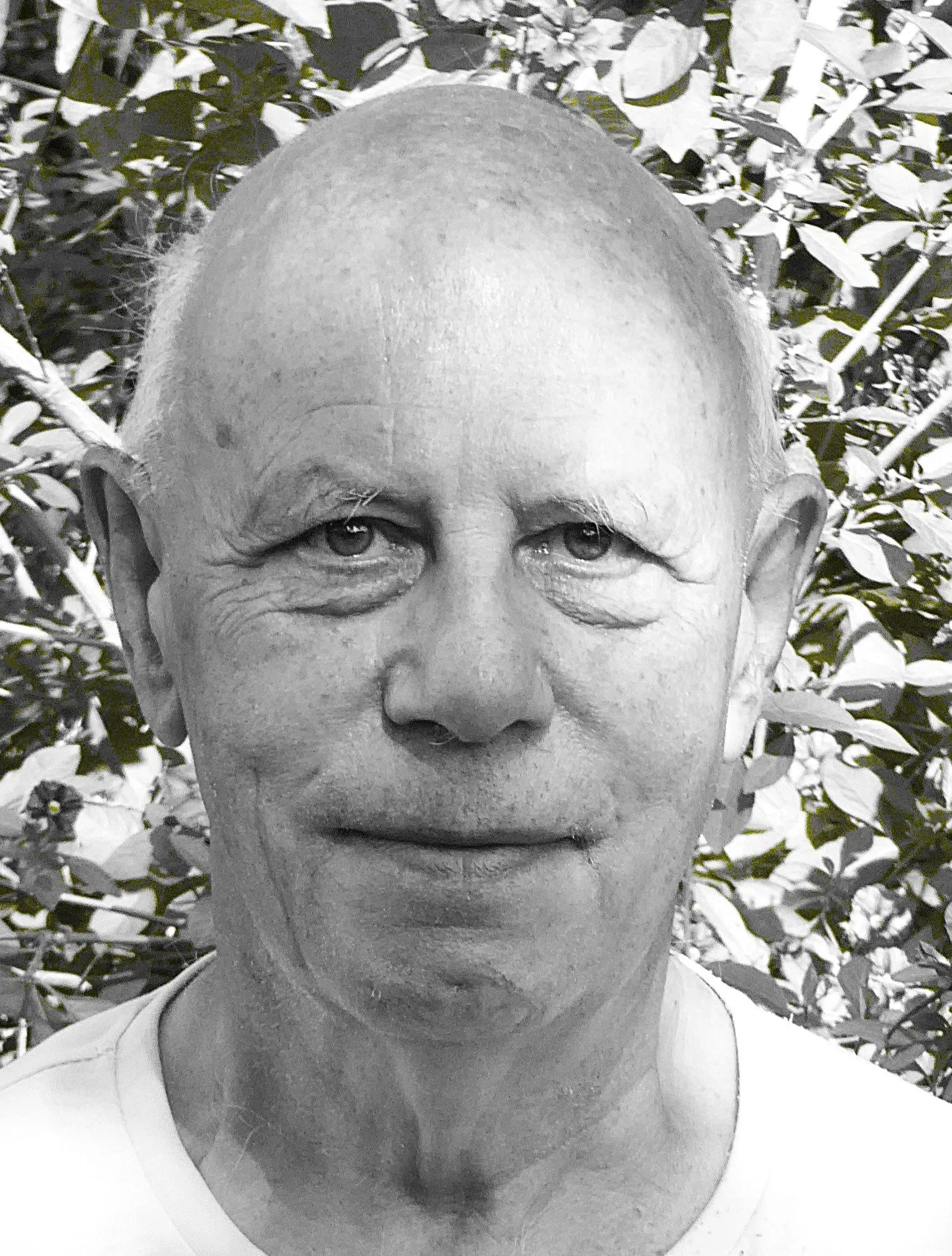

Rich Felgate’s topical documentary examines the aims and actions of the climate protest movement Just Stop Oil.
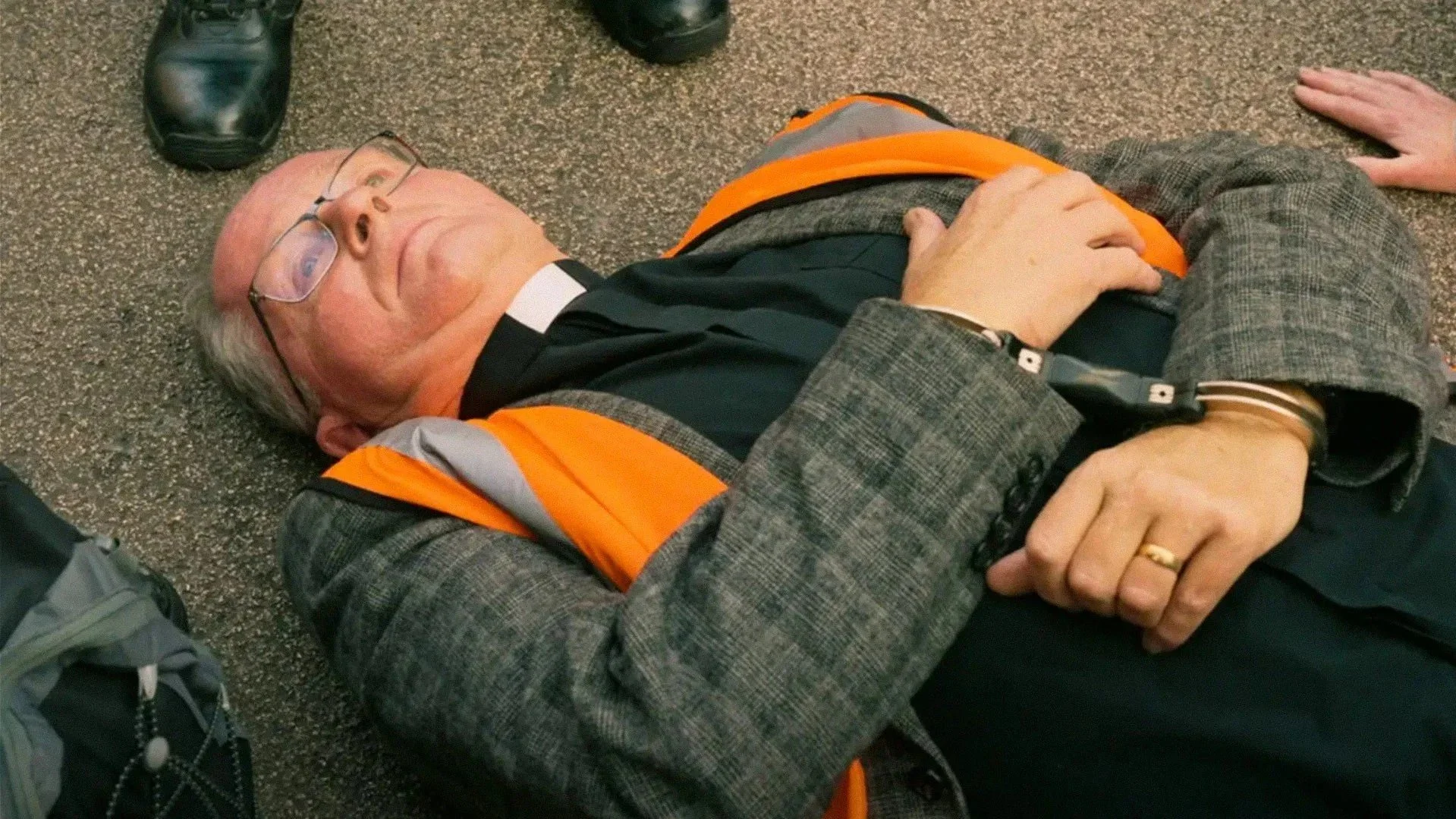
Image courtesy of Propagate.
by MANSEL STIMPSON
The subject of Rich Felgate’s film is England's Just Stop Oil protesters. The title is an acknowledgement of the extent to which many people intensely disapprove of them, but choosing it actually amounts to an act of defiance against that attitude. That tone is understandable because the documentary offers an insider’s view. Indeed, one of its central figures is Indigo Rumbelow who was a co-founder of the group and is the partner of the movie’s director. Felgate does in fact appear in his film, but it is Indigo who is very much at its centre along with three other major contributors, Phoebe Plummer, Jane Touil and Mark Coleman all of whom are dedicated activists.
Given the stance taken by the film, it is fair to say that We, the Hated will appeal strongly to those who already support Just Stop Oil, but for much of the time it comes across as a work that is preaching to the converted. It was in 2022 that this civil resistance group was formed with the aim of demanding that the UK government cease to grant new oil and gas licences due to the threat that fossil fuels offered to climate change ever being achieved. The inspiration for non-violent protest came from successful examples in history and this film evokes in passing the actions of the suffragettes and of individuals such as Mahatma Gandhi and Nelson Mandela.
Whether it be in comments made on screen by the featured activists or from their voice-over observations, we learn something of them as individuals but, even so, it is the strategies in which Just Stop Oil have engaged due to their belief that they are the only way to make themselves heard effectively which dominate the first two-thirds of the film. Early on we witness street protests, initially in London itself, and note how already they faced hostile comments due to disruption of traffic likely to prevent important appointments being kept and even extending to claims that ambulances did not always get through. In order to create even bigger headlines their tactics were upped by entering the National Gallery. This resulted in actions such as the time when tomato soup was thrown over Van Gogh’s ‘Sunflowers’ although the painting escaped unscathed unlike its frame. That made really big headlines in 2022 but also resulted in suggestions that such actions, together with interventions at sporting events, only served to increase antipathy towards them. Nevertheless, this progression of their activities continued with major roads outside London being blocked and with UK airports being selected as places where their protest could cause disruption (one such plan at Heathrow was leaked and partially prevented).
These events are so well known that for much of the time We, the Hated is unable to reveal much that will not already be familiar to most of its viewers. That extends to understanding the conflicting viewpoints over these activities. Most people will already appreciate that these activists are deeply committed due to their belief that if the use of fossil fuels is not prevented the world will inevitably face climate change on a scale amounting to global disaster. While regretting any suffering caused by their actions, they believe that their cause is so serious and the suffering that they are seeking to prevent so extreme that what they are doing is not merely justified but necessary, Furthermore, they believe that it must continue so long as UK governments resist their demands. At the same time others will believe that, however just their cause, there must be better methods to promote the changes that they want.
We, the Hated is unlikely to change opinions relating to this central conflicted viewpoint and that makes the film seem somewhat redundant until it reaches its last half hour or so. That is so despite the fact that the first hour does give us some awareness of the lives of the activists pinpointed, not least the Rev. Mark Chapman who as a priest believes that the teachings of Christ support the need he feels to go out and protest. The later scenes in the film are far more compelling because of the way that official attitudes have hardened leading to the passing of the Public Order Act in 2023. It authorised prison sentences for as much as a year for minor disruptions and for up to as long as ten years if the conviction was for conspiracy to cause a public nuisance. The activists featured here would find themselves subjected to charges and then have a long wait for their cases to be heard. Phoebe, for example, was in the interim electronically tagged and subjected to a curfew. As for Mark, the clergyman, he was ready to argue the moral case for his actions but by the time he came to trial a decision in another court case had led to any such claim of justification being something not allowed to be expressed at a hearing.
Even though our view of the four activists is somewhat limited in its detail, it is the case that when we realise what jail sentences they might have to serve it feels out of proportion. The law may have made them criminals in a technical sense, but we can see the extent to which that description fails to fit them in real terms. Their experiences add to the power of the argument that laws are being passed which are in danger of threatening the right of individuals to free speech and the high sentences which have become increasingly frequent seem highly questionable when considered in the context of the particular instances recorded here.
It could, of course, be argued that We, the Hated is timely since, even though other world events have taken over the headlines recently, the concerns of Just Stop Oil have now gained extra topicality through the debates over licensing the Jackdaw gas field and the Rosebank oil field in the North Sea. That context adds to the impact of the final half-hour of the film, but even then it could be argued that a TV programme specifically debating these key issues would be more effective than touching on them in a feature-length movie such as this.
Featuring Indigo Rumbelow, Phoebe Plummer, Jane Touil, Mark Coleman, Anna Holland, Wendy Cocks, Rich Felgate.
Dir Rich Felgate, Pro Rich Felgate, David Allen and Gaby Basytra, Ph Rich Felgate, Ed Shane McCormack and Rachel Roberts, Music Lindsay Wright.
Firebreak Films/Passion Planet/BFI Doc Society Fund-Propagate.
88 mins. UK. 2026. UK Rel: 2 November 2026. Cert. 15.