Blacklisted: An American Story at The New York Historical
by CHAD KENNERK
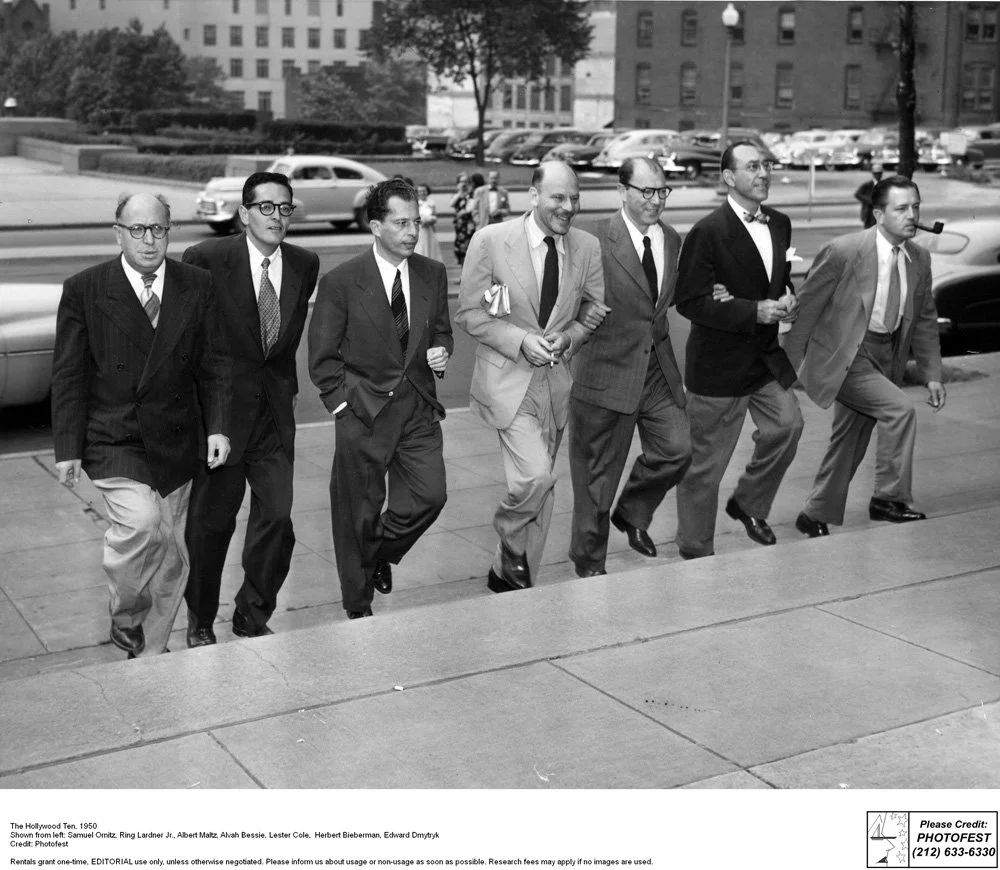
Blacklisted: An American Story at the New York Historical examines how the Red Scare reshaped Hollywood and the broader entertainment industry. Sparked by the 1947 House Un-American Activities Committee hearings, the Hollywood blacklist accused screenwriters, directors and actors of Communist sympathies — often without evidence. The most famous, the Hollywood Ten, were jailed, fined and banned from working under their own names, setting off an era in which fear and suspicion sought to silence creative voices in the film industry.
Originally organised by the Jewish Museum Milwaukee, the exhibition brings together more than 150 artefacts to illustrate the story, with a strong focus on cinema. Highlights include Dalton Trumbo’s Academy Awards for Roman Holiday and The Brave One, both won under pseudonyms while he was barred from Hollywood. Film posters, scripts and screen-worn costumes of the day lend further context, while testimony footage and other historic materials demonstrate how the Red Scare affected the arts in a postwar nation. Through artefacts and personal stories, Blacklisted underscores how political fear transformed Hollywood, raising enduring questions about freedom of expression in American cinema.
In conversation with The New York Historical Assistant Curator Anne Lessy.
Film Review (FR): During WWII, Hollywood harnessed creativity for the benefit of the war effort. Did that put a spotlight on the power of film?
Anne Lessy (AL): That's a wonderful question. Working on Blacklisted: An American Story has persuaded me that that is absolutely the case. A number of blacklisted artists, including the Hollywood Ten, had been involved in film production, often at the direction of the Office of War Information, developing anti-fascist scripts and pursuing those kinds of projects. I think that it certainly brought a spotlight onto the power of film to move and inspire. It was very notable, when you eventually got to the committee hearings, that ‘unfriendly witnesses’ were not asked questions about how they participated in the war effort, and they couldn't go into detail about how they were collaborating with the War Department to actually mobilise the American public in support of the war.
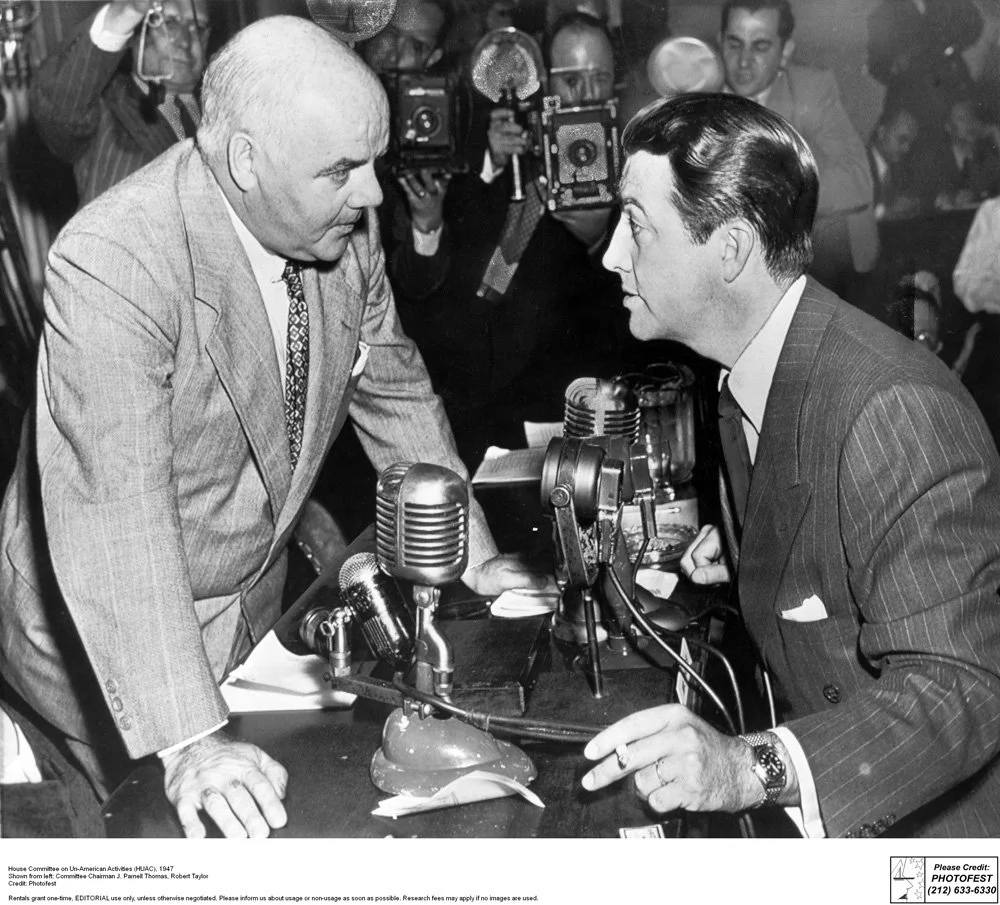
(FR): It is important to note that while HUAC (House Un-American Activities Committee) triggered it, Hollywood itself imposed the blacklist. How did that come about?
(AL): The House Committee on Un-American Activities initiated the hearings. They were the ones who proclaimed that there was potentially Communist subversion and propaganda embedded in Hollywood films. But you're right: it was film industry executives who decided that they would adopt an industry-wide blacklist that involved not only publicly firing the individuals that came to be known as the Hollywood Ten but also announcing that they would investigate all past and present political affiliations of anyone involved in the film industry.
(FR): The exhibit began at the Jewish Museum Milwaukee. How did the New York Historical expand on the exhibit?
(AL): This started as a much smaller show five years ago, due to the extraordinary passion of the team at the Jewish Museum of Milwaukee. Even though the blacklist with respect to Hollywood has very little to do with Joe McCarthy, Wisconsin is his home state, so there is quite a bit about the Red Scare available in the archives there. It had already begun to travel, most notably to Los Angeles, where the Skirball [Cultural Center] significantly expanded the show. That's where friends of the museum first saw it and suggested that it come to the New York Historical.
That was about two years ago, so what we have added is a whole section on how the New York theatre community responded and the different path they charted compared to other entertainment sectors. We also added information on the politics of the Great Depression and how the Communist party in the US became part of coalition politics, particularly during this period of mass unemployment, eviction and widespread suffering. That was added to contextualise some of the information that people would get later in the show. We also added a map that shows that it wasn't only the film industry targeted; HUAC eventually expanded and conducted regional, state and city hearings that very much targeted ordinary people, including high school teachers, college professors and rank-and-file union members.
(FR): We think of HUAC as being contained to the 50s but it continued on. It had a name change in 1969, but wasn't actually dissolved until the mid-70s.
(AL): That's right, it would go on to exist through 1975. They very much sought to police the peace movement, and even after they lost cultural and political power over the film industry, they continued to pursue and investigate those that they felt held political beliefs that disagreed with theirs, that were unpopular and that were at odds with official policy. The peace movement, in particular, became a target in the 60s and 70s.
(FR): Among the items in the exhibit are screenwriting Academy Awards for Roman Holiday and The Brave One, both written by blacklisted screenwriter Dalton Trumbo. Are these the reissued Oscars, did they issue a new plaque for the original award, how did that reattribution process work?
(AL): I'm so grateful to the Trumbo family for all of their loans to the show, because we're able to highlight Dalton Trumbo’s work during the Second World War on films to promote the war effort. We can see the way that he sought to stand up for civil liberties and the consequences. We have these incredible drawings that his daughter Mitzi made at ages six and seven when he was in federal prison in Kentucky. We walk through so many aspects of how the Red Scare shaped his life.
What's incredible about the two Oscars is that one was awarded to him, with his proper name, a year before he died and the other posthumously. It was actually four decades after Roman Holiday and The Brave One had come out. In the 1980s, there was an effort to actually begin to correct the record and correctly assign people's work to them, particularly as VHS tape re-issues began. It took four decades to finally provide the correct Oscars with his name on it.
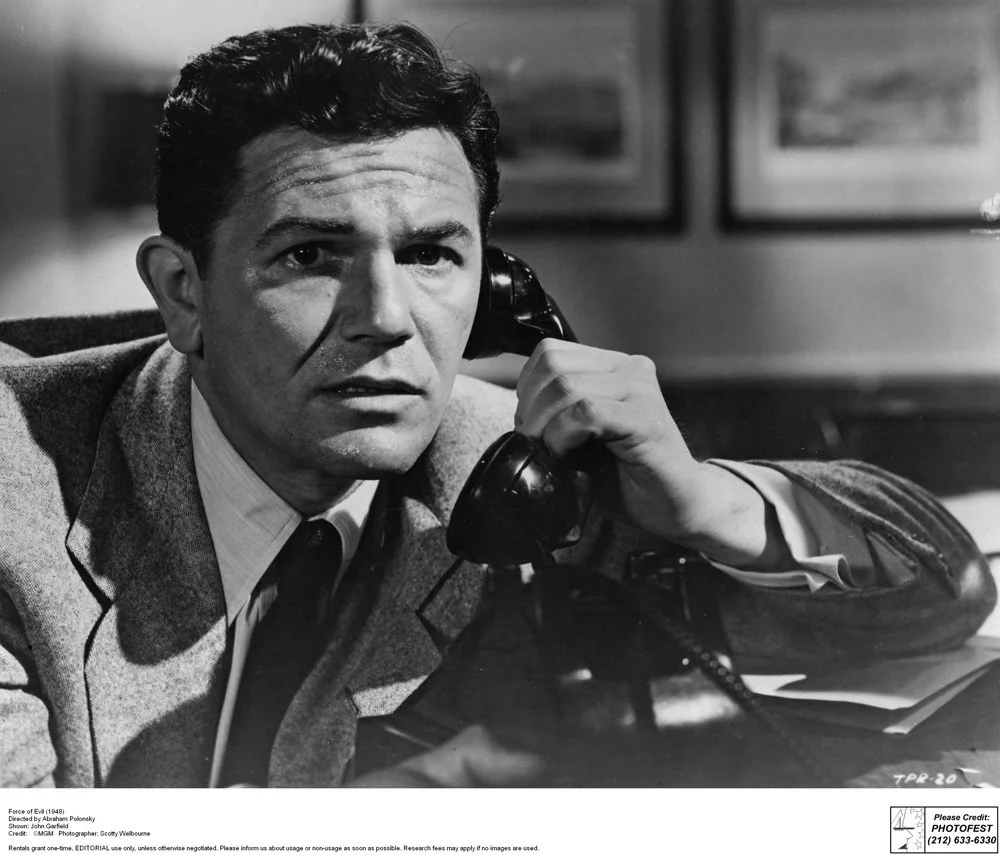
(FR): In addition to Trumbo’s family, Julie Garfield, daughter of actor John Garfield, also has pieces on display in the exhibit.
(AL): John Garfield was brought to testify before HUAC in 1951 and was subsequently blacklisted. The family went through extraordinary stress, as well as some personal tragedies, before he succumbed to cardiac arrest at the age of 39. We do have a number of his items, including a letter that he wrote, wishing to work on a movie that would celebrate American democracy. His costume from Pride of the Marines, which was considered in some ways a provocative film because it showed the struggles of wounded veterans after World War Two. We even show that FBI agents who were tasked with evaluating Hollywood films found it divisive to actually be openly discussing the struggles of veterans as they tried to adjust to civilian life.
(FR): Some of the films under suspicion for subversive content are surprising to us today, like It’s a Wonderful Life. What other films are highlighted in the exhibit?
(AL): I think that is probably the one that gets the most gasps of surprise. Obviously, that Christmas movie is still a classic and still widely watched. The idea that the FBI objected to a negative portrayal of a banker is still confounding. You also have films like The Gentleman's Agreement, which highlights anti-semitism. At this point in time, the FBI deemed it more subversive to actually discuss social issues openly than the social issues themselves.
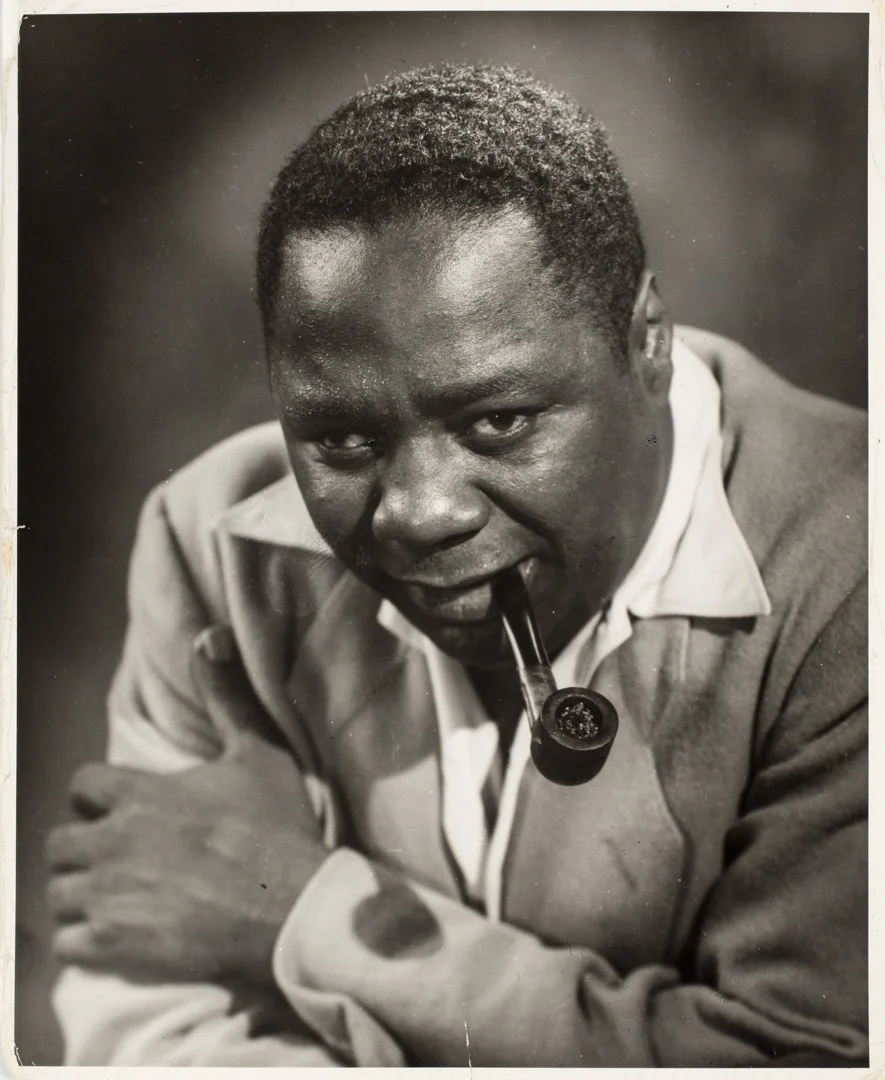
Then you also had a film like Body and Soul, which starred John Garfield and another blacklisted performer, Canada Lee. The fact that a Black performer was in a prominent role and not just a marginal character in the movie placed it under scrutiny.
(FR): The Red Scare helped to justify racism: six of the Hollywood Ten, for example, were Jewish. You mentioned a Black creative like Canada Lee; others such as Paul Robeson and Hazel Scott were also targeted.
(AL): Some of the members of Congress who were on the HUAC committee were quite candid and open about their views. They were avowed segregationists and antisemites. Many of the Hollywood Ten had sought to draw attention to this during their testimony, which is why they were gavelled out and refused the opportunity to read their statements. Given the fact that only point one percent of studio workers at this time were African American, the number of African American entertainers who were blacklisted is truly shocking.
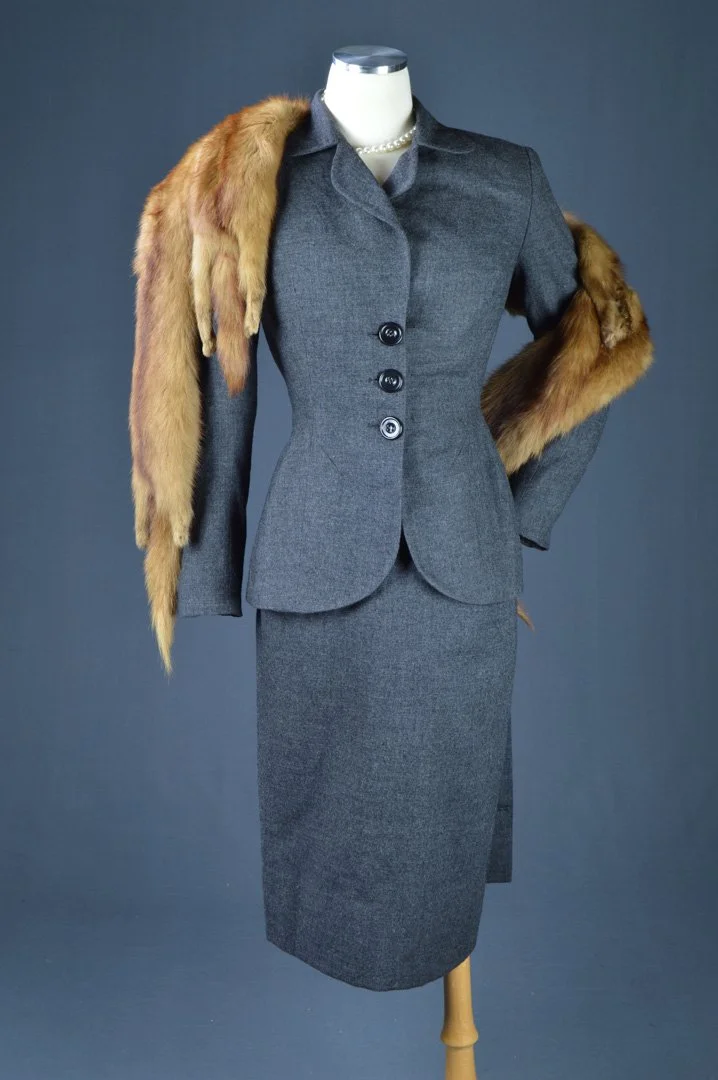
(FR): Lauren Bacall’s costume from How to Marry a Millionaire is also on display. Bacall was one of the founding members of the Committee for the First Amendment, which initially supported the Hollywood Ten. In the fall of 1947, there was the two-part radio programme Hollywood Fights Back. But eventually, they had to back down due to studio pressure.
(AL): Initially, the committee was not taken very seriously. It was seen as bombastic. Members of Congress who were hoping to get their names in the newspaper, in the media. Celebrities and other successful entertainers thought they could lend their support to civil liberties, rights and protections of free speech and freedom of assembly. But once the industry, as you pointed out before, adopted the blacklist, people really took a step back.
The consequences for the Hollywood Ten involved not only public firing but incarceration. Many really fled and sought to distance themselves. You do have figures like Lauren Bacall and Humphrey Bogart who work with [Photoplay] magazine to detail and declare, ‘I'm no Communist.’ Any interpretation that they supported the Hollywood Ten was a misunderstanding. Those who stuck with their beliefs and values, who had been originally part of the Committee for the First Amendment, went on to be blacklisted themselves. Some sought to save themselves, and only a handful really continued with their support.
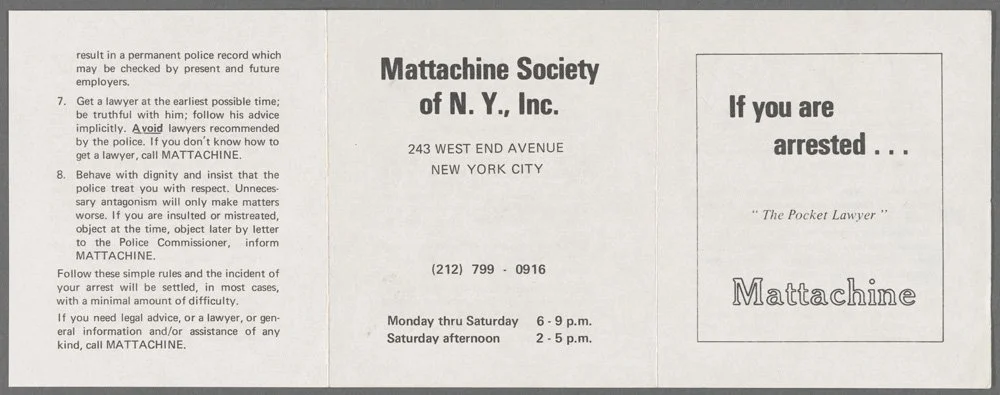
(FR): What about the paper ephemera in the exhibit? One example is a letter Frank Sinatra wrote to playwright and screenwriter Albert Maltz before he was blacklisted, praising his work on Pride of the Marines.
(AL): Yes, there's an incredible exchange between Alvah Bessie and Lenny Bruce. Bessie was one of the Hollywood Ten. He was a Spanish Civil War veteran and a long-time anti-fascist and activist. Lenny Bruce wrote to him asking if he could get his help revising scripts that could hopefully be turned into films. In one of his telegrams, he said, “Well, I can't be both a Communist and a drug addict, so we'll have to keep your assistance under wraps,” and unfortunately, it was never made. But we do have the film that they worked on together called The Degenerate!
Paul Jarrico was another blacklisted screenwriter, whose papers are at Columbia University. He worked on the film Salt of the Earth, which was created by a number of blacklisted artists, including Herbert Biberman. I was able to do the original research to see these incredible pamphlets and letters about how much the blacklisted artists sought to find an audience for Salt of the Earth in the United States against enormous organised pressure to keep that film censored and out of movie theatres.
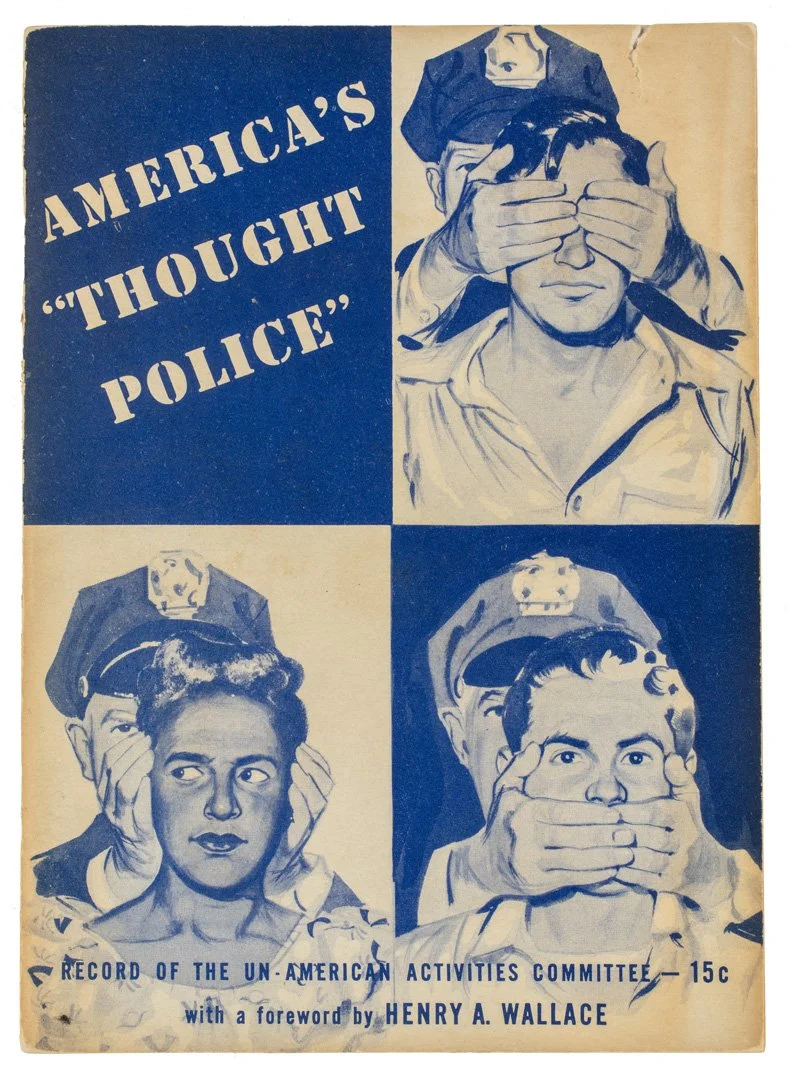
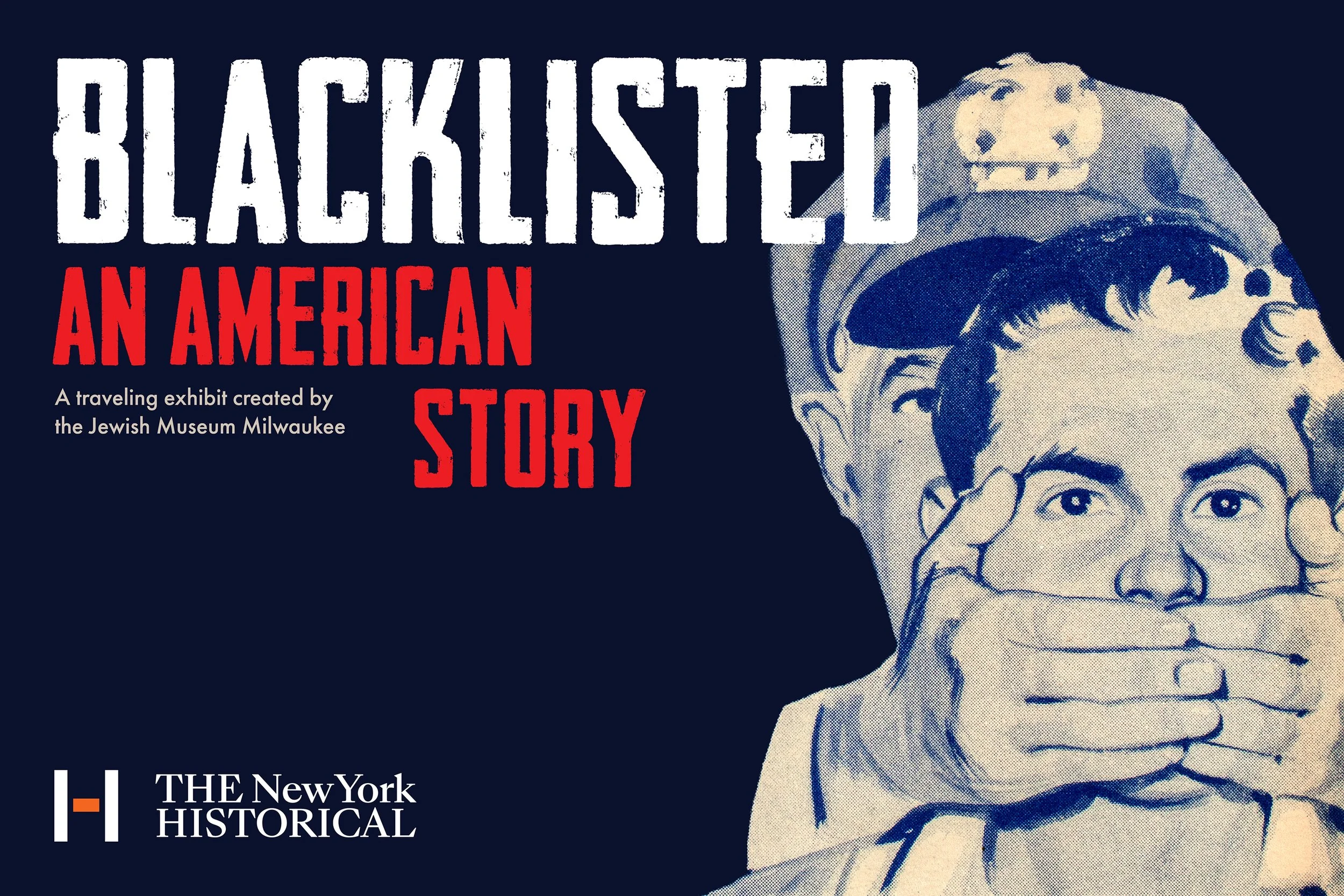
(FR): The central image for the exhibition is so powerful, and it came from an archival pamphlet of the period.
(AL): It's an incredible pamphlet. There was an organisation called the Civil Rights Congress, and around 1950, there were approximately sixty chapters around the country. Their primary focus was victims of Jim Crow justice in the South, creating national and even global campaigns. But they also began to see as an organisation that HUAC and the anti-Communist crusade were also threats to their campaigns for racial justice. They created this informative pamphlet that shows a police officer covering someone's ears, someone’s eyes and someone’s mouth, and it's titled ‘Thought Police’.
(FR): From all of the films represented in the exhibit, do you have a favourite?
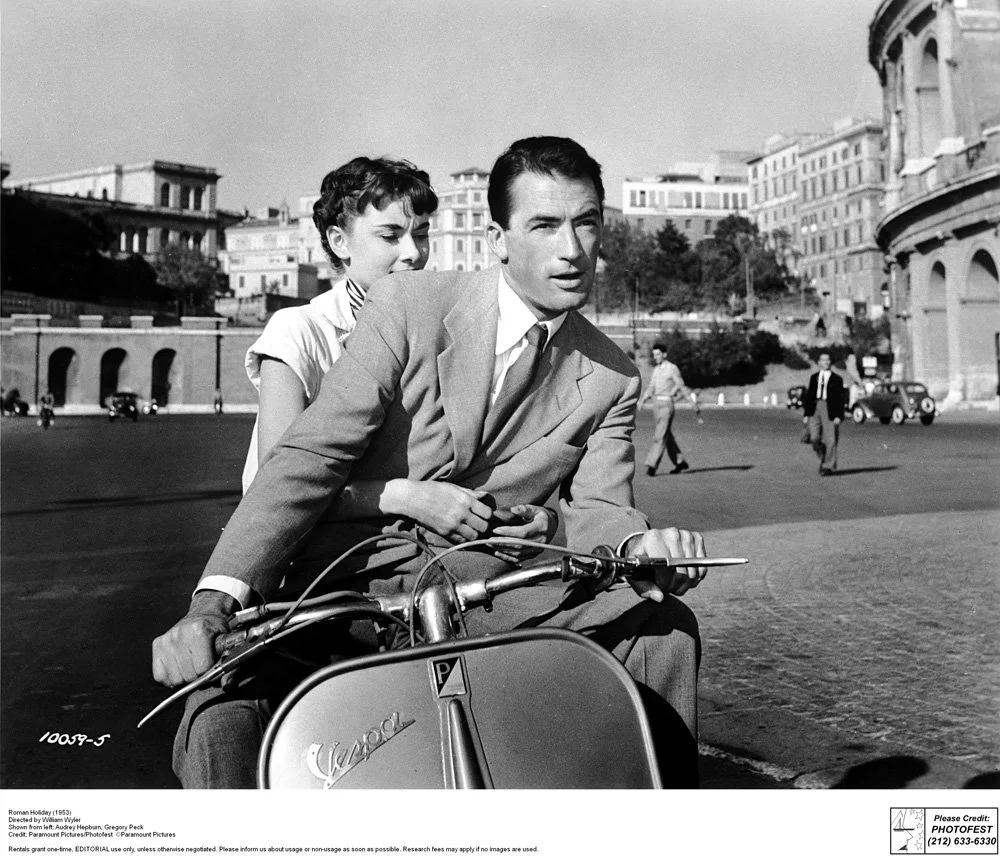
(AL): I absolutely love Roman Holiday. That is a favourite film of mine. We have some materials about Judy Holliday, who came out of a New York Jewish socialist family. Her father actually ran for governor on the socialist ticket in New York. She was able to, in some ways, evade scrutiny by adopting her dumb blonde persona in front of investigators. Born Yesterday is another incredible film; I think the humour stands up. I'm also a big John Garfield fan. I love film noir, and I think Humoresque with Joan Crawford is incredible as well.
(FR): What’s one thing that you hope visitors will take away from this experience?
(AL): In addition to showing artists and creatives who were persecuted, we also really try to highlight that there was incredible creativity that persisted, even as people were shut out of film and also TV and radio. Blacklisted artists came together to create original plays like The World of Sholom Aleichem, which would lay the groundwork for Fiddler on the Roof’s success several years later. You have figures like Ossie Davis, Ruby Dee, John Randolph, and Jack Gilford, who had been shut out of most avenues that entertainers could pursue, but they continued to want to engage audiences. We show that perseverance and the undeniable talent of so many.
Blacklisted: An American Story is open from 13 June, 2025 – 2 Nov, 2025. To learn more and book tickets, visit: https://www.nyhistory.org/exhibitions/blacklisted-an-american-story
Shop the exhibit at The New York Historical
ANNE LESSY is the assistant curator of history exhibitions and academic engagement at The New York Historical. She previously developed professional learning programmes at the Museum of Jewish Heritage and has worked with the American Social History Project and the Beinecke Rare Book and Manuscript Library. She holds an M.A. and MPhil. in History from Yale University and a B.A. in Modern Culture and Media from Brown University.