
Diva │ StudioCanal

Courtesy of StudioCanal
by JAMES CAMERON-WILSON
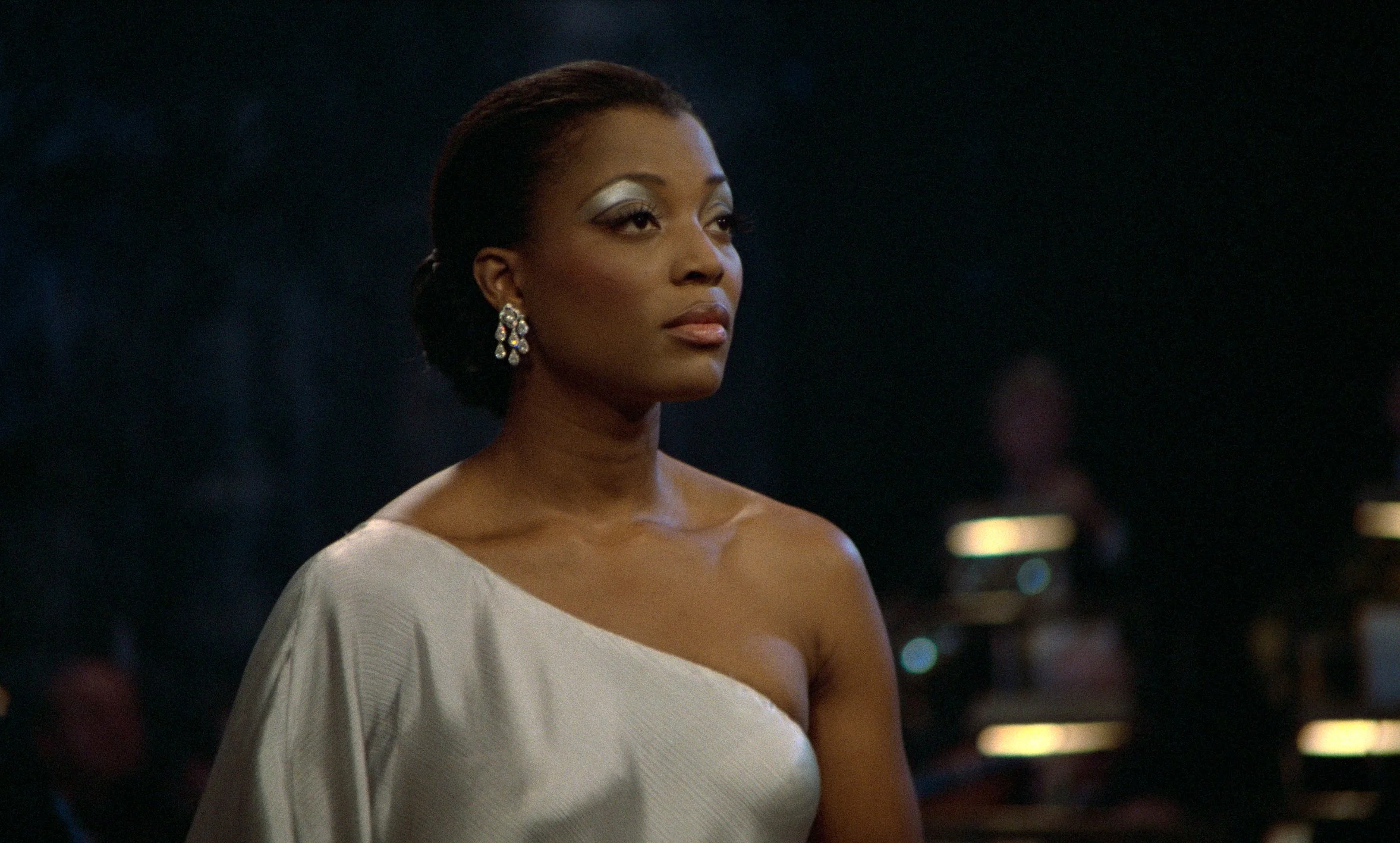
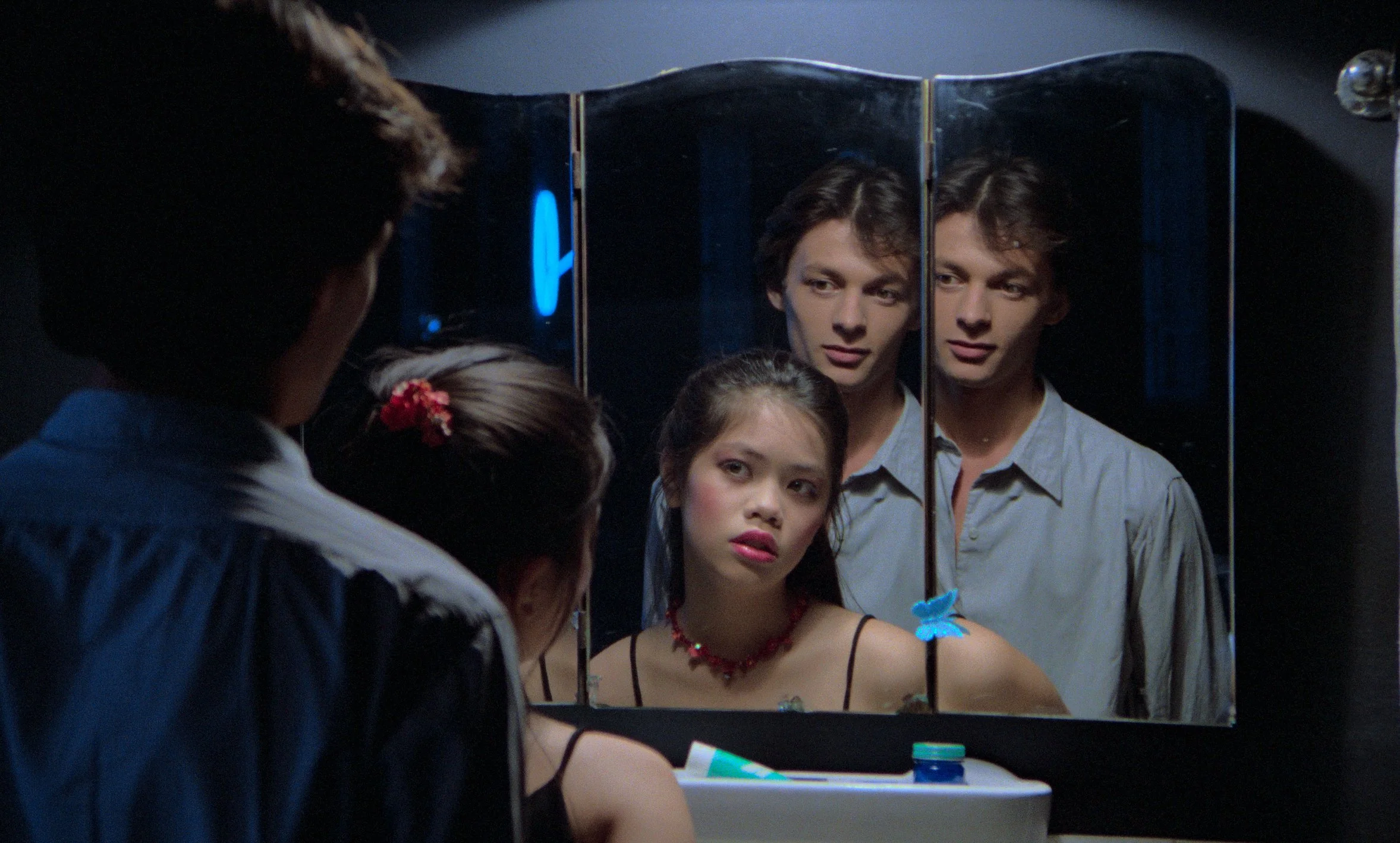
Looking back at Diva today, first released in 1981, I was surprised both by how dated it looked and yet how ahead of its time it was. There are some camera moves that tie it to the 1980s, if not the 1970s, and yet its universality and diversification was unique at the time. It is the story of an African-American soprano, a Vietnamese thief, a pair of Taiwanese agents and a French delivery boy obsessed with classical music (and the crashed remains of unique automobiles) – all set on some of the most picturesque private spaces and famous locations that Paris had to offer at the time.
What Diva remains is a uniquely cinematic original that is as seductive as it is suspenseful, an extraordinarily visual gateau of intrigue. The 35-year-old director Jean-Jacques Beineix was an artist in the genuine sense of the word, who made every frame count, along with the musical context in which it was placed. And his film remains a mosaic of memorable moments, both incidental and melodramatic. As much a testament to the pictorial richness of Paris as was Amélie, it is its own animal, a blend of shabby chic, romance, high art, music, crime and violence. From the opening blast of classical music accompanying the sight of our hero, Jules, on his moped, to the sudden giddy environs of the Bouffes du Nord theatre, the film asserts its narrative distinction. And with little explanation it quickly introduces its myriad of characters who are inextricably linked by the misappropriation of two very different tape recordings.
Courtesy of StudioCanal
The actual success of Diva is an astonishing story in itself. Jean-Jacques Beineix had never directed a full-length feature before and his vision of the novel by Daniel Odier, was not to the writer’s liking, nor to the producers. He had no stars – nothing, really, to sell the product, and the critics certainly refused to back it up in a year that boasted new films from Truffaut, Annaud, Lelouch and Betrand Blier. Then three extraordinary things happened. Out of the blue, it was a triumph at the Toronto Film Festival, word of mouth began to give it a certain commercial footing in Paris and, a year later, it won four César awards, including a nod for best debut. And, at the time, in the US, it was the most commercially successful French film ever released in French. It defied all the odds. It did not fit into the mould of the New Wave, it didn’t have Jean-Paul Belmondo or Alain Delon to give it commercial wings and its blend of poetic realism and pop art was in danger of sinking the ship. Today, looking back, we can see that it exerted an enormous influence, on directors from Luc Besson and Leos Carax.
Courtesy of StudioCanal
The bonus material of the new 4K restoration is also an embarrassment of riches. There’s an in-depth, highly articulate examination of the film’s cultural significance by the critic Denis Parent and a comprehensive interview with Jean-Jacques Beineix himself as well as cast members and behind-the-scenes personnel. It is here that we learn that the title, being so short, was considered problematic, as long titles in 1981 were all the rage (in spite of the success of such films as Jaws and Alien). Also, it’s interesting that Beineix was determined to feature an unknown opera – La Wally by Alfredo Catalani – which the success of the film put on the map. Only one year previously was another comparatively unknown piece of classical music ushered into the mainstream thanks to the popularity of a film, namely Johann Pachelbel’s Canon in D from Ordinary People.
STUDIOCANAL’s release of Diva is now available on Blu-ray
STUDIOCANAL is Europe’s leader in production, distribution and international sales of feature films and series, operating in all nine major European markets - France, United Kingdom, Germany, Poland, Spain, Denmark and Benelux - as well as in Australia and New Zealand. It owns the largest library in Europe and one of the most prestigious film libraries in the world, boasting more than 8,000 titles from 60 countries, which span 100 years of film history. 20 million euros has been invested into the restoration of 750 classic films over the past 5 years. Known for releasing a stunning roster of incomparable vintage classics titles, StudioCanal’s releases include outstanding thrillers, heart-rending masterworks, horror favourites, war dramas, Ealing comedies, and plenty of lesser-known gems. The collection boasts some of the greatest and beloved stars of British cinema.