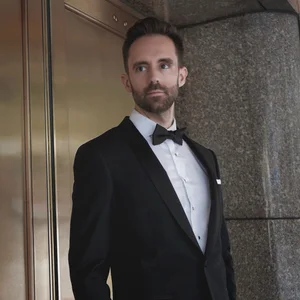
Mad Science: ‘Shaun the Sheep: The Beast of Mossy Bottom’ Directors Steve Cox and Matthew Walker
Courtesy of StudioCanal
by CHAD KENNERK
It’s been nearly seven years since Shaun and his flock last grazed the big screen in 2019’s alien encounter, A Shaun the Sheep Movie: Farmageddon. Since then, Shaun has adventured through the festive Netflix ewe-tide outing Shaun the Sheep: The Flight Before Christmas, directed by Steve Cox. For Shaun’s third theatrical entry, Cox returns alongside seasoned Aardman director Matthew Walker as the duo descends on Mossy Bottom Farm for a spooktacular All Hallows’ Eve in Shaun the Sheep: The Beast of Mossy Bottom.
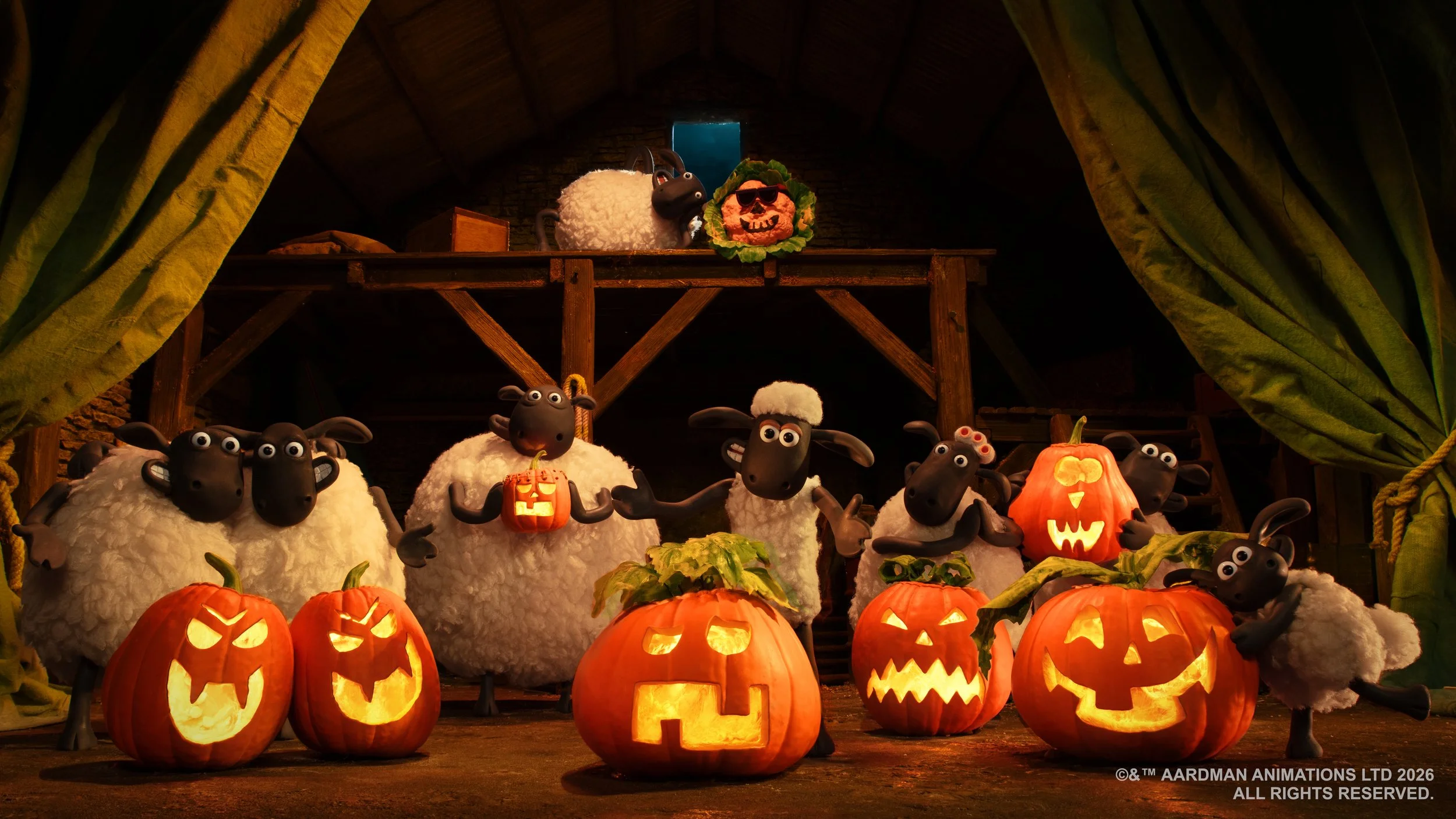
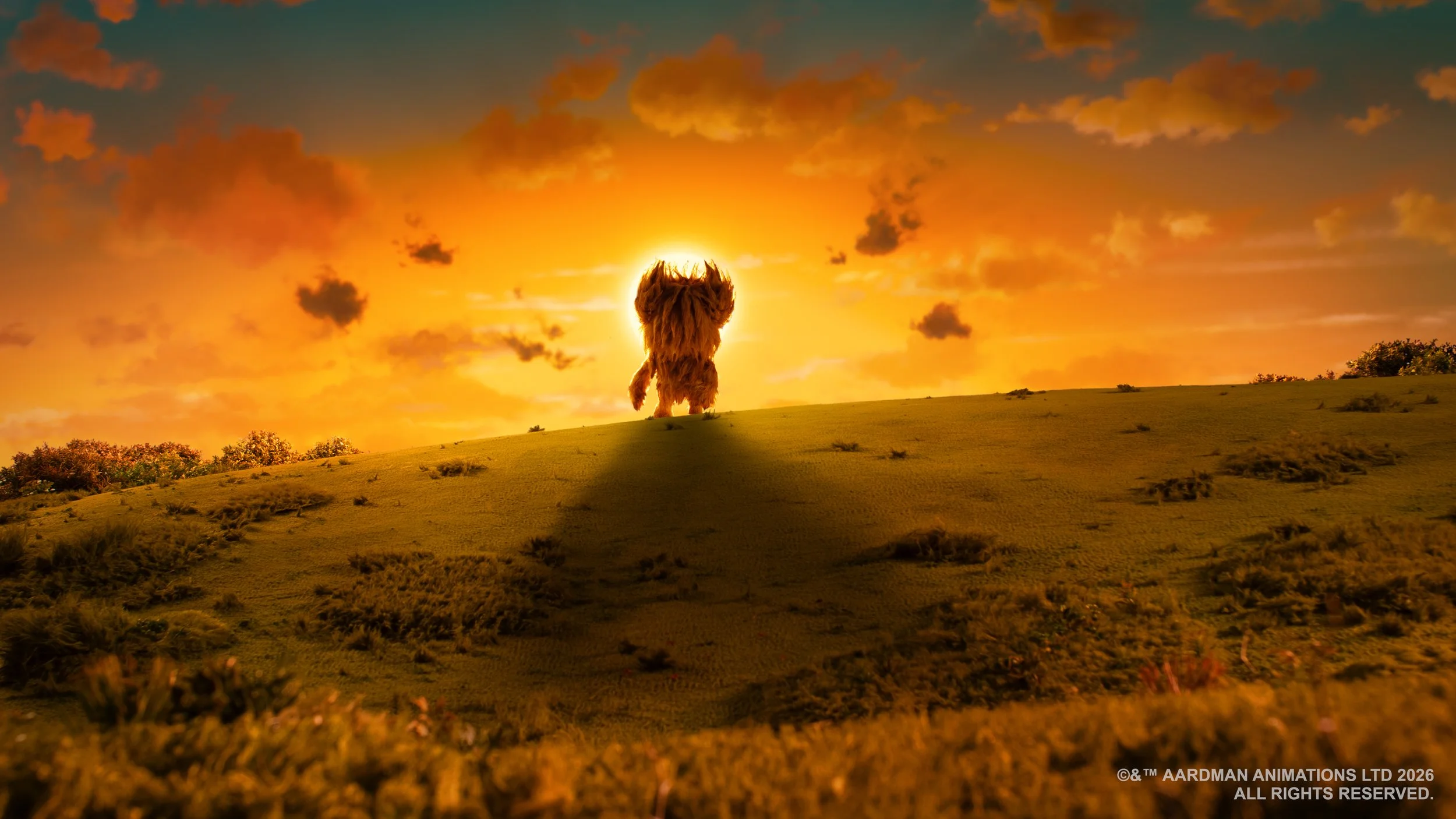
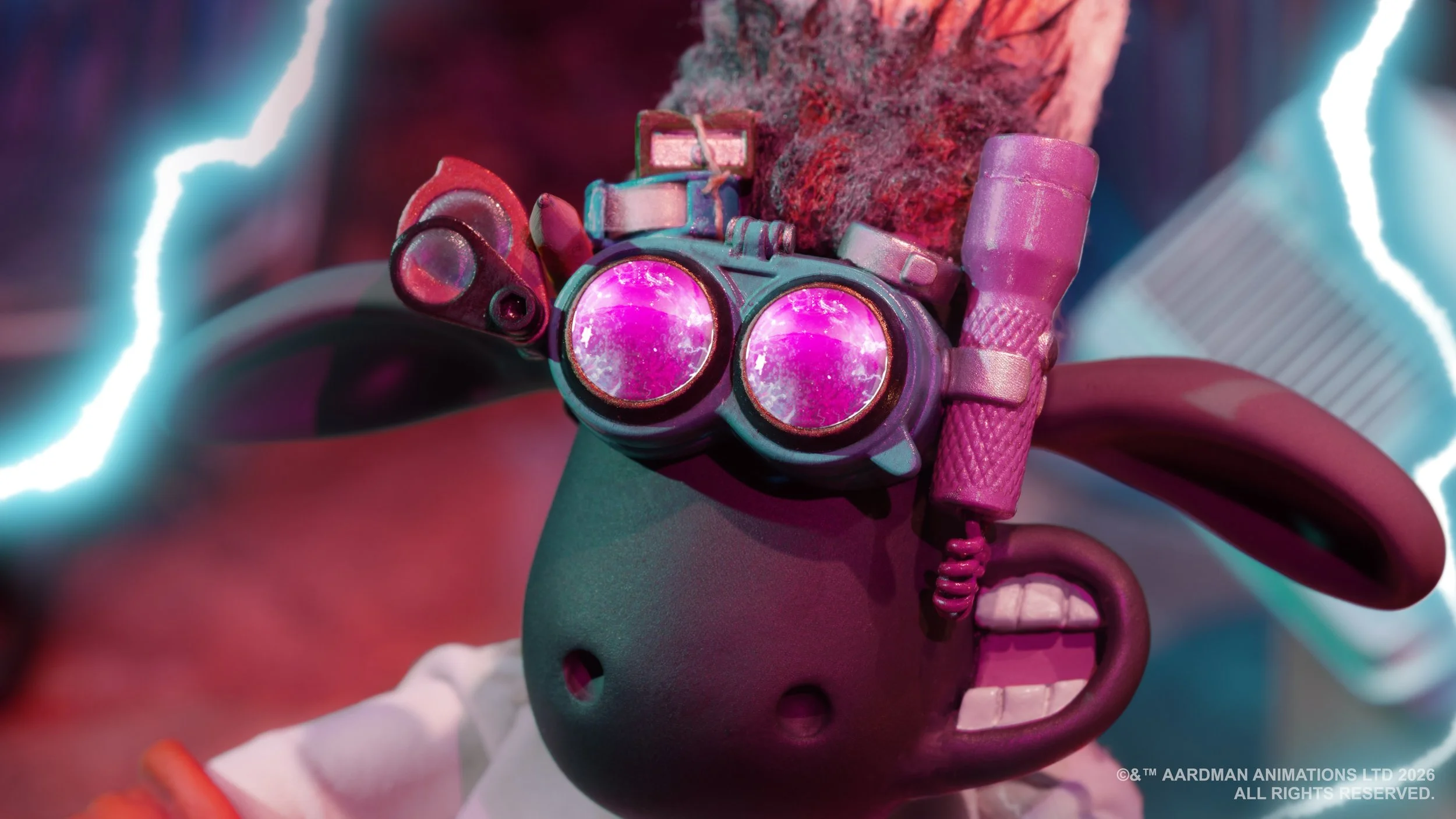
When the Mossy Bottom Farm pumpkin patch is mysteriously smashed, Shaun turns to mad science to save the day and inadvertently unleashes a wild beast into the woods of Mossingham. With a monster on the loose and no time to lose, it’s up to Shaun and the flock to put things right before their Halloween celebrations turn into a real-life fright night. As Aardman’s Shaun the Sheep: The Beast of Mossy Bottom arrives in cinemas on 18 September, Film Review chats with directors Steve Cox and Matthew Walker about bringing the flock’s latest misadventure to audiences.
In conversation with Directors Steve Cox and Matthew Walker
Film Review (FR): As Aardman celebrates its 50th anniversary, how does it feel to be a part of that legacy?
Steve Cox (SC): It's a real honour, isn't it? Matt and I have been at Aardman a similar amount of time. Not 50 years, more like 15 to 20 years, and it's just really an honour. I grew up with Wallace and Gromit and Chicken Run. I went to uni to study animation, so to be actually there directing feature films, it's just brilliant.
Matthew Walker (MW): Long Trousers was one of the films that got me into animation in the first place, so to be directing a feature Aardman so many years later, it's really exciting. It's also great to have a feature coming out in the cinemas for the 50th anniversary as well.
Courtesy of StudioCanal
(FR): From Frankenstein to Psycho and ‘Thriller’, there are so many great nods to the genre. How did you approach incorporating all of those references for the young and young at heart?
(SC): Yeah, the horror aspect was a challenge, wasn't it?
(MW): We were very aware of how young the audience for Shaun starts, and knew that working in the horror genre, a lot of the audience weren’t going to know the specific films that we're going to be inspired by and referencing, so all the gags and story points in the film that refer to those horror films and tropes needed to work even if you didn't know what they were referencing. And actually, we didn't really have specific films in mind as we were developing the film.
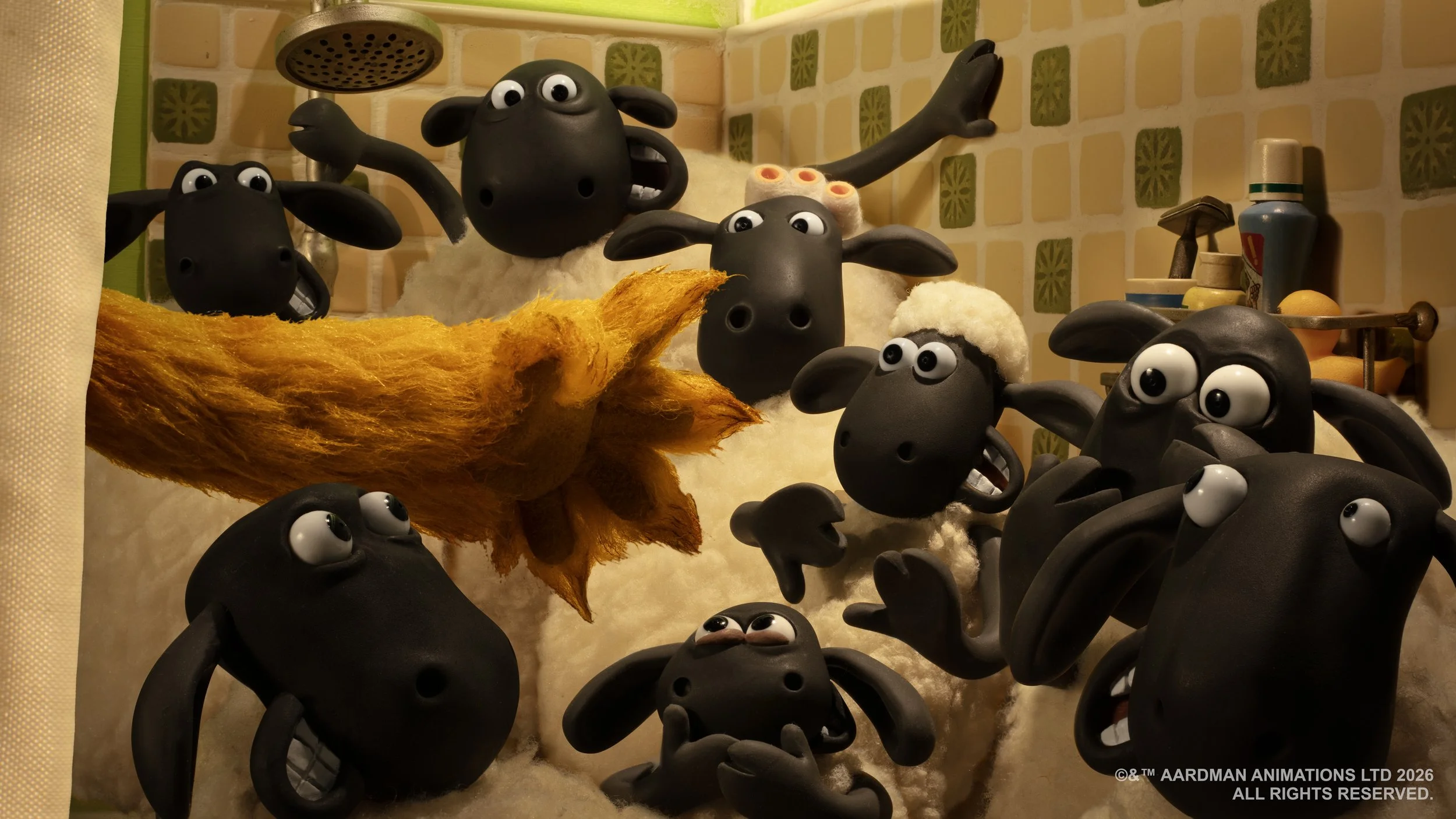
We had the broad tropes that we were drawing upon, and we were sort of looking at Hammer Horror and Universal Monsters early on. Steve and I were also looking at films we grew up with in the 80s, both horror, and action/comedy films. All of that went into the film’s story and tone. The specific references that came up in the film happened quite organically. The Psycho gag came about because we had the home invasion sequence. We ended up with a flock hidden in the bathroom behind a shower curtain that just naturally felt like a good place for a Psycho reference. That was often how those gags ended up in the film.
(SC): We were very aware that we didn't want it to be too scary, but we wanted it to have that bit of tension and a bit of excitement. All through the production, we would check ourselves, and we'd check in with our studio bosses as well. We also had audience screening tests, just to make sure that the film was just at the limit of being really exciting but not too scary for our younger audiences.
(MW): I think even young children like being scared a little bit. Some of my earliest memories of going to the cinema were things that scared me, and those are good memories. So I wanted to have a little bit of that tension in the film but always undercut it with comedy. Yeah, we didn't want to scare away the audience but still wanted it to have a little bit of tension.
(SC): That's key, isn't it? Because you can be scared for a little bit, as long as you don't let it go on for too long, and you bring in those gags before it gets too much. I think that's the trick, isn't it?
Courtesy of StudioCanal
(FR): Was there a shot or sequence that was particularly challenging to execute and rewarding to complete?
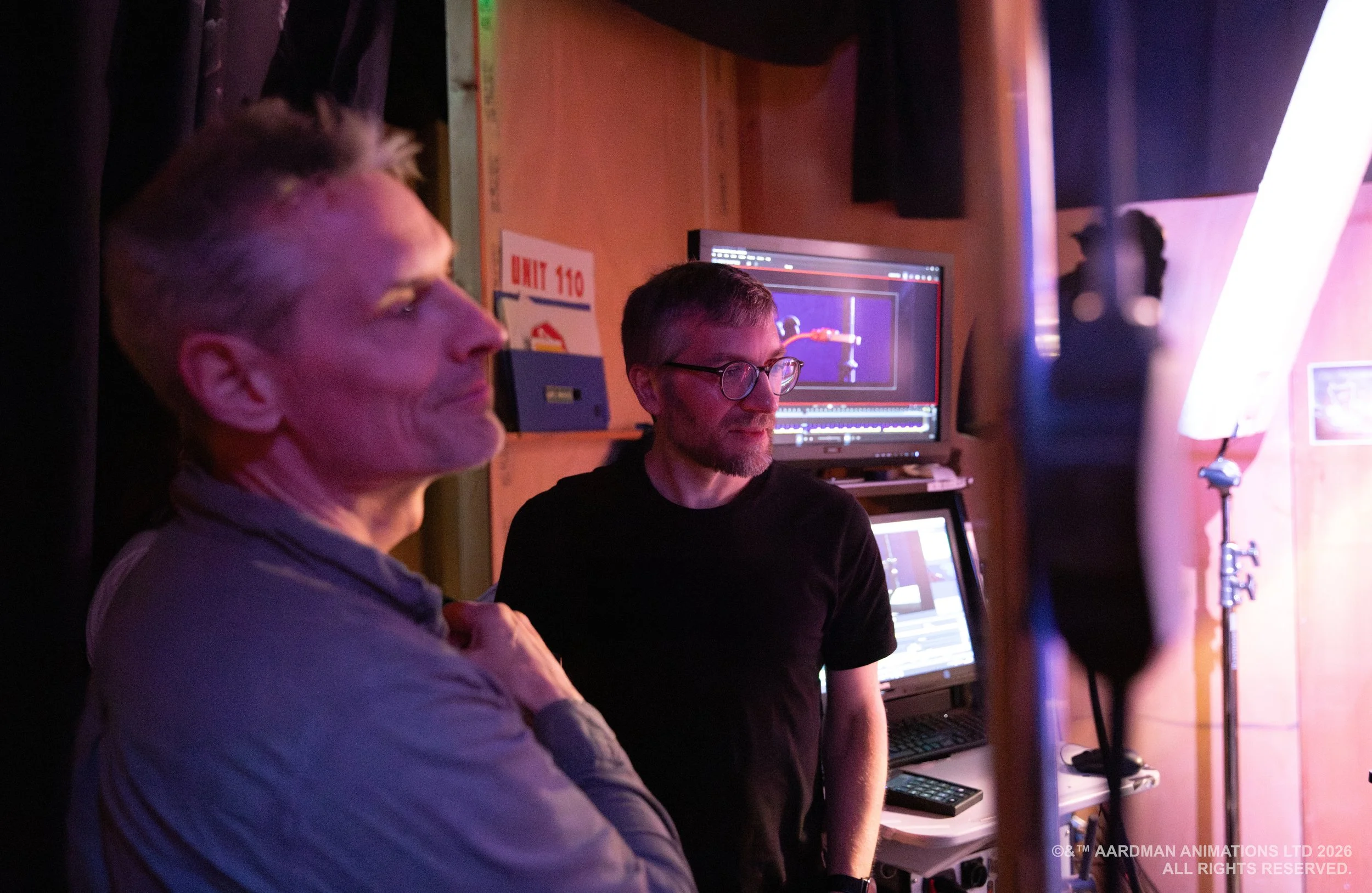
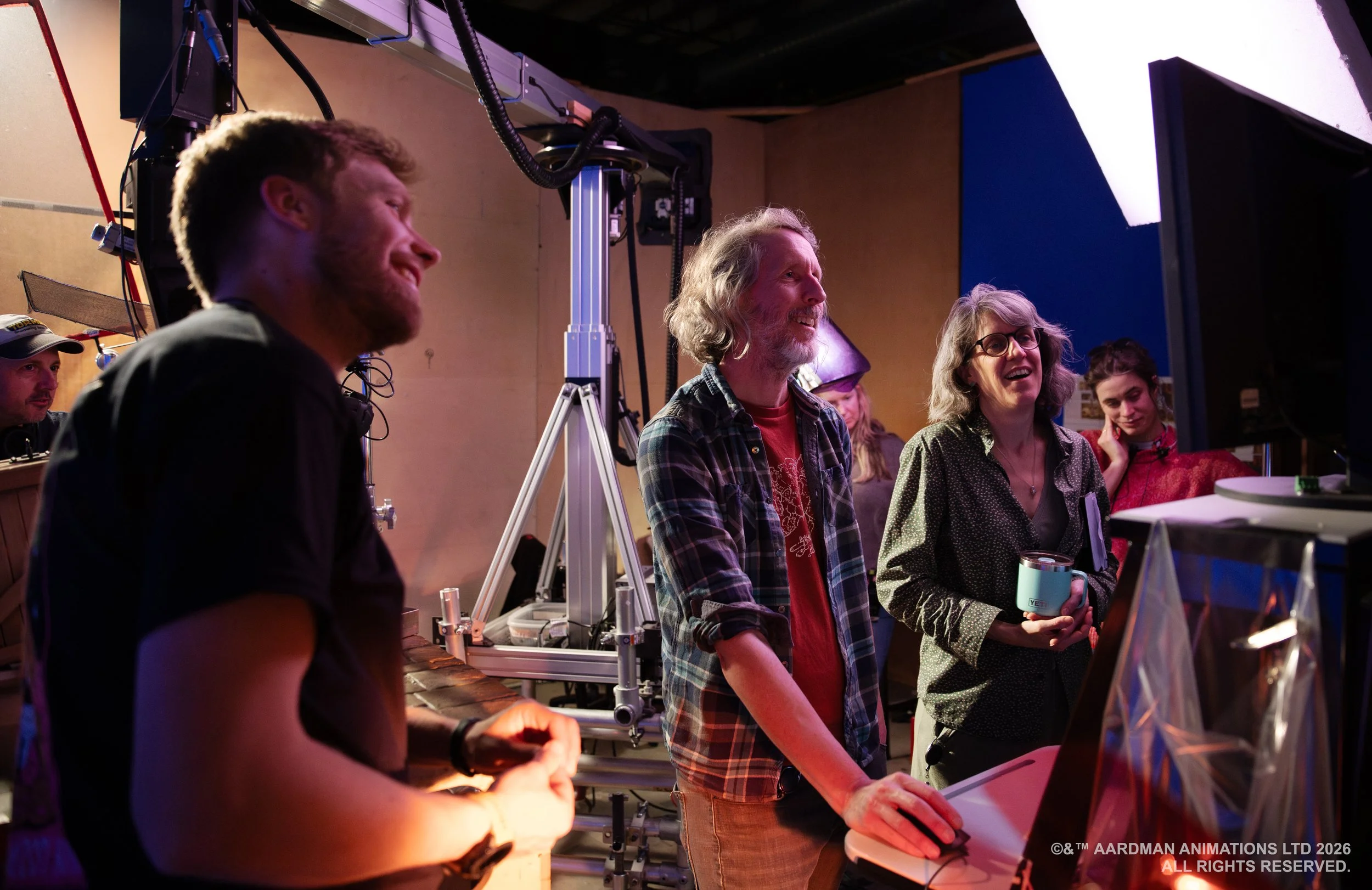
(MW): Most of the film, probably. There are a lot of ambitious and complicated sequences. Steve and I both had particular sequences that were big and complicated. Steve had the foggy docks and the boat, and I had the windmill in the finale. Both of those sequences had a lot of complexity. I found often the most difficult challenges were the ones that you weren't expecting, because certain sequences you know are going to be complicated, so you prepare for that, but sometimes there are some sequences or shots you think are going to be simple, but then you set them up and you realise, actually, this is quite complicated.
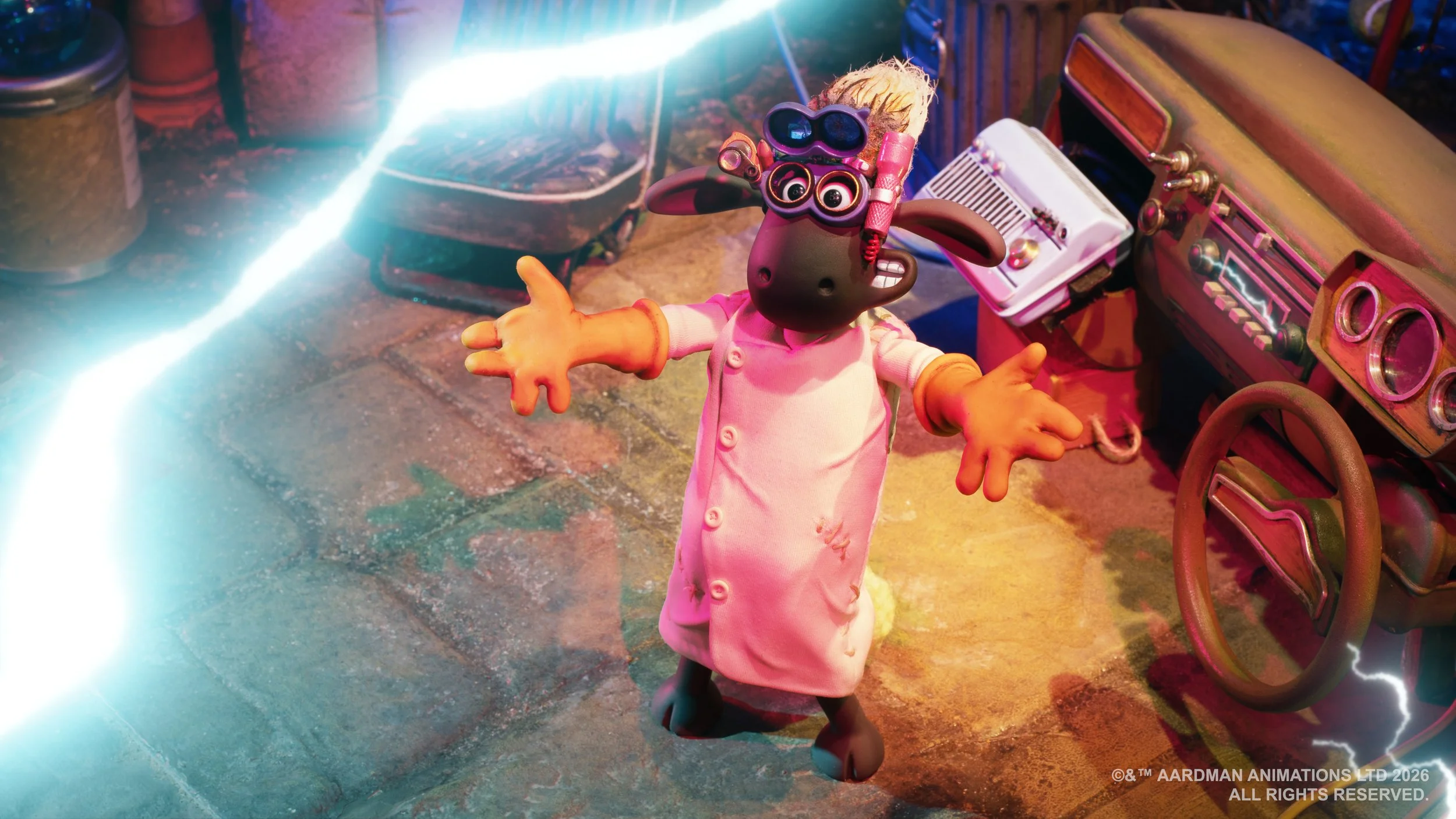
That might be something as simple as just animator access. One shot that comes to mind is a shot of Shaun pouring liquid into a bottle in his lab. It's a slow angle and a dramatic shot, but the lighting setup for that was quite complex. We wanted to have different coloured lights and shadows on the walls. Once all those lights were put into the set, it was actually quite difficult for the animator to get to the puppet. They made it work, but there are a lot of small challenges like that which you don't expect initially. It's when you get to the set and realise, ‘Oh, how are we going to do this?’ You've got to then figure it out in the moment. Those are often the most difficult ones, because the expected ones you can prepare for.
(SC): Matt mentioned the boat, and the boat was 14 feet long or something crazy like that, so moving that around was really tricky. Also, like Matt says, the simpler stuff, like the fact that we don't have dialogue in Shaun. It's tricky to convey some of the more complex ideas. There's a moment when Shaun is kind of at his lowest, and he has to ask the flock for their help. Trying to convey a complex, subtle emotion and have Shaun talk to the flock without saying anything – some of that stuff was really tricky to do. Our animators are like really high-quality Hollywood actors, who can pour their emotions and their acting abilities in to get great performances to help tell these things, just with subtle eye movements or shrugs of the shoulder. Some of that detailed, emotional work – that's some of the tricky stuff as well.
(FR): One of the scariest parts of Halloween is the massive amount of trash it leaves behind. The beast doesn’t leave his crisps wrapper in the woods, and the vet makes time in a crisis to address marine entanglement. Why was it important to incorporate that kind of positive messaging for audiences?
(MW): It’s something we’re aware of ourselves, and those aspects came naturally from the characters. We saw the vet as quite a positive, responsible character. It worked for the comedy, but it was also true to her character that she wouldn't be able to see an animal in distress and leave them untreated. That was a comedic beat that worked against Shaun’s eagerness to get to the boat as fast as possible. But alongside that, it’s also hopefully a not-too-heavy-handed message about not putting plastic in the sea. With a farmer, I'm always conscious of not leaving litter when I go out walking in the woods. I think the farmer is similar; it comes from their characters. Having that same responsibility.
(SC): Yeah, we want our characters to be loved as well, so they act how we would act. If the farmer threw some trash on the floor, then you wouldn't be on his side, would you?
(MW): The Halloween shop owner – he's the closest we have to a villain character in the film. If we saw him drop trash, he might not pick it up.
Courtesy of StudioCanal
(FR): Have you had a chance to share the film with an audience, and what was that experience like for each of you?
(MW): We haven't actually seen the finished film with an audience yet. We had an audience test screening when the film was about two-thirds animated, and most of it was still animatic. That got a good response, and there was a lot of good feedback that came from that, which we took on board as we finished the film. Yeah, quite looking forward to actually seeing the finished film with an audience, because we've yet to do that.
(SC): We've got a friends and family screening soon, so all of the crew get to see the finished film, because they haven't seen it either. We get to invite our families as well, all the people who've had to suffer whilst we've been working long hours. All the crew's families get to come and enjoy it with us. That should be loads of fun to get a full cinema's response.
(MW): I’m nervous about it too; I hope they like it [laughs].
Courtesy of StudioCanal
(FR): Do you remember the animated moment or film that made you think, ‘I want to do this’?
(SC): Jason and the Argonauts, when I was really young, with the skeleton battle. Ray Harryhausen brought to life all these classical monsters. That was my first awareness of stop-motion, and I just thought those stories were so exciting, where you can bring monsters and things into the world without people in costumes. I became aware of stop-motion then and had lots of influences after that, but that was the first thing I remember seeing.
(MW): The first time I remember becoming aware of animation as a technique was watching The Jungle Book as a kid, and there's a particular scene of Bagheera pushing Mowgli up into a tree. The quality of the animation in that, the weight of Mowgli and the movement of the skin. I remember watching that, and that was my first proper awareness of, ‘Oh, people draw this frame by frame, and this is what animation is.’ Wallace & Gromit: The Wrong Trousers was when I first started to think about animation as something I might want to do. I loved making models out of plasticine as a kid. I think it was Toy Story that actually properly cemented my desire to go into animation as a career.
Shaun the Sheep: The Beast of Mossy Bottom opens in cinemas on 18 September.
STEVE COX is an accomplished stop-motion animator and director at Aardman Animations. He joined Aardman after initially working as an animation director for the Pingu. Over nearly two decades with the studio, Cox has contributed to projects such as The Pirates! Band of Misfits, Shaun the Sheep Movie, Early Man, and Chicken Run: Dawn of the Nugget. He is best known as a major creative voice for the Shaun the Sheep franchise, having directed the International Emmy-winning special Shaun the Sheep: The Flight Before Christmas (2021).
MATTHEW WALKER is an award-winning animator, director, writer, and story artist based at Aardman Animations. Active in the animation industry since 2005, Walker has grown from a celebrated independent shorts director into one of Aardman's key creative leaders. Walker led the 2022 children's series Lloyd of the Flies, marking Aardman Animations' first fully in-house CGI television series. Walker previously directed episodes of the series Shaun the Sheep: Adventures from Mossy Bottom (2020) and served as a storyboard artist on Shaun the Sheep: The Flight Before Christmas.