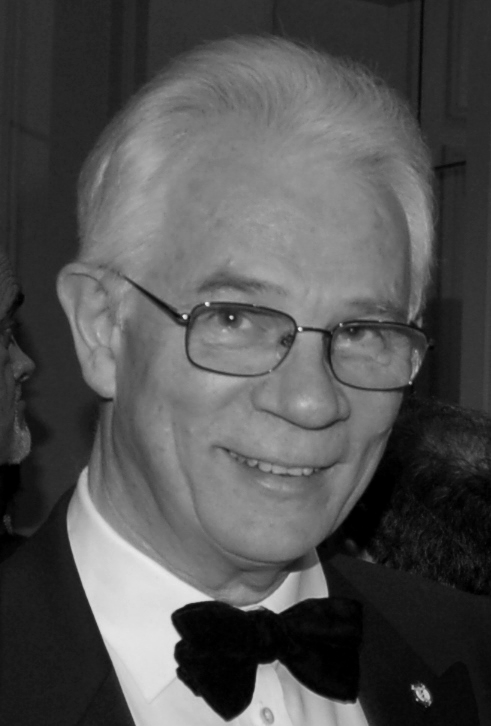
JEREMY THOMAS
(26 July 1949 – 11 September 2026)
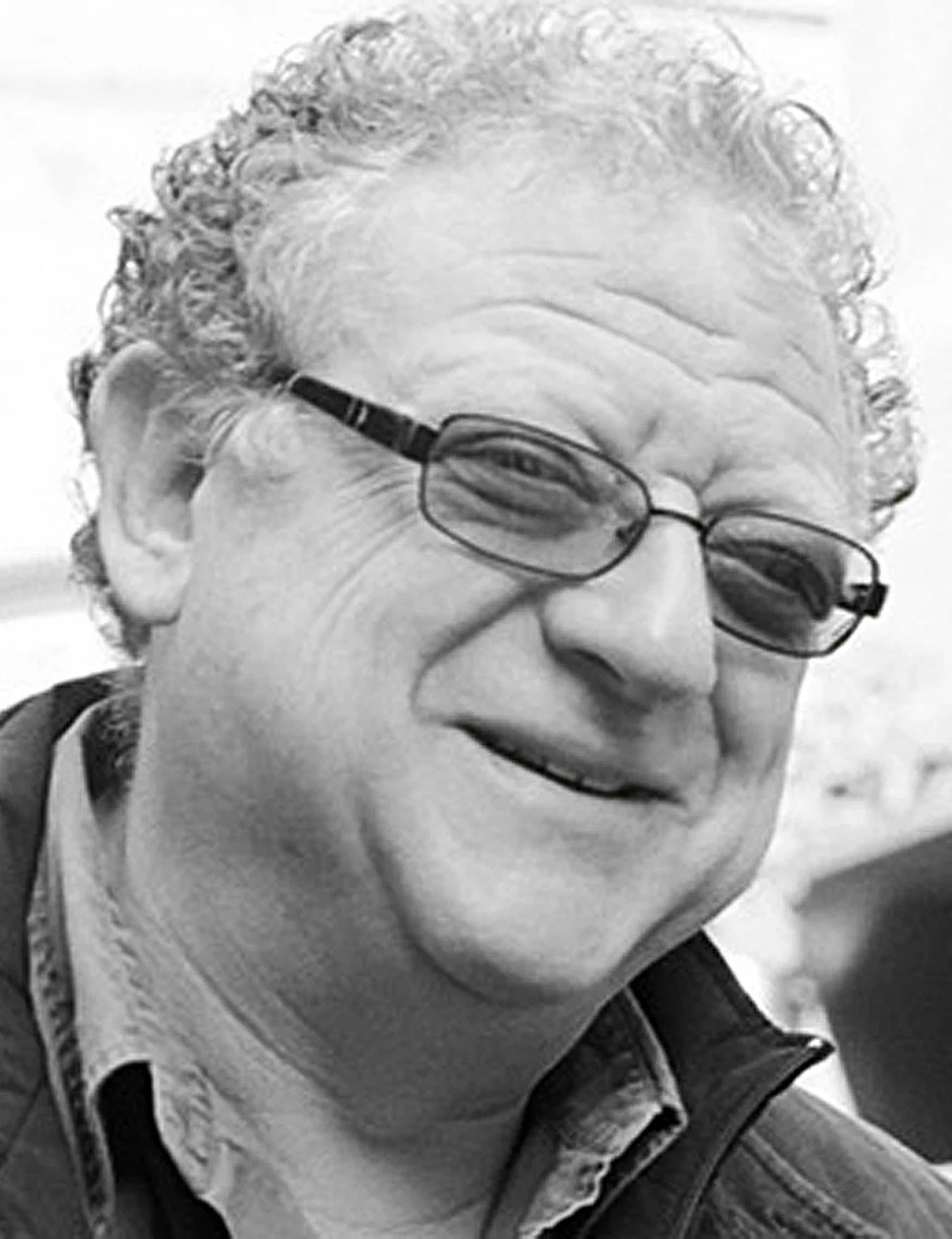
The British film producer Jeremy Thomas was almost a one-man film industry in his own right. He was a producer of over forty films and executive producer on another twenty or more. Many prominent directors owe their success to him while others may not have had careers at all without him. He was an enabler who, without his input, would have left the film industry a much poorer place. Among his portfolio are films by Nicolas Roeg, Jerzy Skolimowski, Nagisa Oshima, Bernardo Bertolucci, Phillip Noyce, Wim Wenders, Terry Gilliam, David Cronenberg, Richard Linklater, Johnny Depp and Jim Jarmusch.
He was born into what then was already an almost dynasty of filmmakers. His father was Ralph Thomas, the director of seven entries in the popular Doctor series, as well as such dramas as The 39 Steps, No Love for Johnnie and A Tale of Two Cities. Jeremy Thomas’s uncle was the director Gerald Thomas, responsible for many of the Carry On comedies as well as some dramas. It was, therefore, no wonder that Jeremy joined the family firm. Even in childhood his ambition was to work in cinema, possibly because he spent his holidays either in film studios or on location. On leaving school he worked in film processing laboratories and shortly began work as an editor. After helping Philippe Mora to edit Brother Can You Spare a Dime?, a documentary about the Great Depression, Thomas headed for Australia in 1974 to produce Mora’s Mad Dog Morgan with Dennis Hopper.
Back in England he produced Jerzy Skolimowski’s The Shout, from a story by Robert Graves about an electronics expert who could invent a shout loud enough to kill people. It starred Alan Bates, Susannah York, John Hurt and Tim Curry (q.v.). Next came Bad Timing, Nicolas Roeg’s mystery thriller starring Theresa Russell, Harvey Keitel and Art Garfunkel, followed by Roeg’s psychological thriller Eureka (1983) with Gene Hackman as an Arctic gold prospector. Merry Christmas Mr Lawrence compared life in a British POW camp to that of a Japanese one, with a partially Japanese cast plus David Bowie, Tom Conti and Jack Thompson. For Insignificance (1985) Thomas worked with Roeg again, on a surreal fantasy about a meeting between Marilyn Monroe, Joseph McCarthy, Joe DiMaggio and Albert Einstein, with Theresa Russell, Tony Curtis, Gary Busey and Michael Emil.
At the same time Jeremy Thomas served as executive producer on The Great Rock ‘n’ Roll Swindle, Let Him Have It, Mark Peploe’s Victory, Johnny Depp’s The Brave, Khyentse Norbu’s The Cup and Rabbit-Proof Fence, among many others. Thomas then went on to produce The Last Emperor, Bernardo Bertolucci’s Oscar-winning epic about the young boy who was the last emperor of China, with John Lone, Joan Chen and Peter O’Toole. The film won nine Academy Awards including best picture, best director, best screenplay and best cinematography. Other projects that Jeremy Thomas completed included Karel Reisz’s Everybody Wins from a screenplay by Arthur Miller, Bertolucci’s film of Paul Bowles’ 1949 novel The Sheltering Sky, David Cronenberg’s adaptation of William S. Burroughs’ Naked Lunch, Jonathan Glazer’s Sexy Beast, Bertolucci’s The Dreamers and Richard Linklater’s Fast-Food Nation.
Quite different from his father and uncle, Jeremy played the international game by working most often with overseas directors. He never hemmed himself into the British film industry but instead played the field globally. He was an international player, artistically independent and yet managed to also be commercially viable. To have survived as an independent producer for some fifty years proves that he knew what he was doing. He won an Oscar for Sexy Beast, plus 19 other wins and ten nominations. He won a Bafta for The Last Emperor and collected many other international prizes in Italy, France, Belgium, Norway, Poland, Australia, Spain and elsewhere and was honoured with a BFI Fellowship in 1988. He was also awarded the CBE in the 2009 New Year’s Honours list. Jeremy Thomas was married to Eski Thomas, a writer and producer and author of All the Little Animals (1998), the only film that Jeremy Thomas himself directed, with a cast including John Hurt and Christian Bale. Aged 77, he "passed away peacefully" surrounded by family and loved ones at his country estate in Oxfordshire.
MICHAEL DARVELL