Chain Reactions: Writer/Director Alexandre O. Philippe on Tobe Hooper’s American Nightmare
Courtesy of Dark Sky Films
by CHAD KENNERK
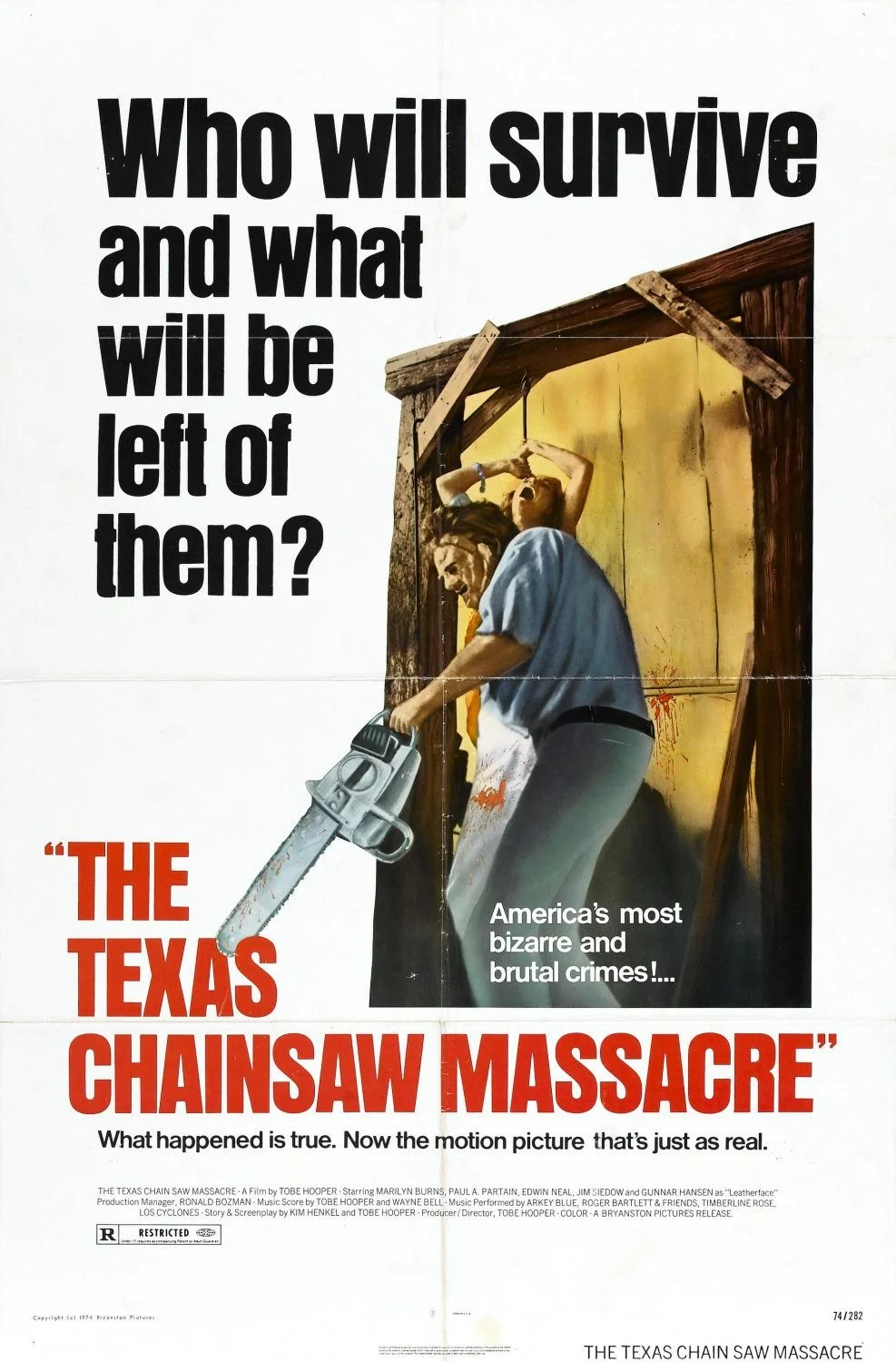
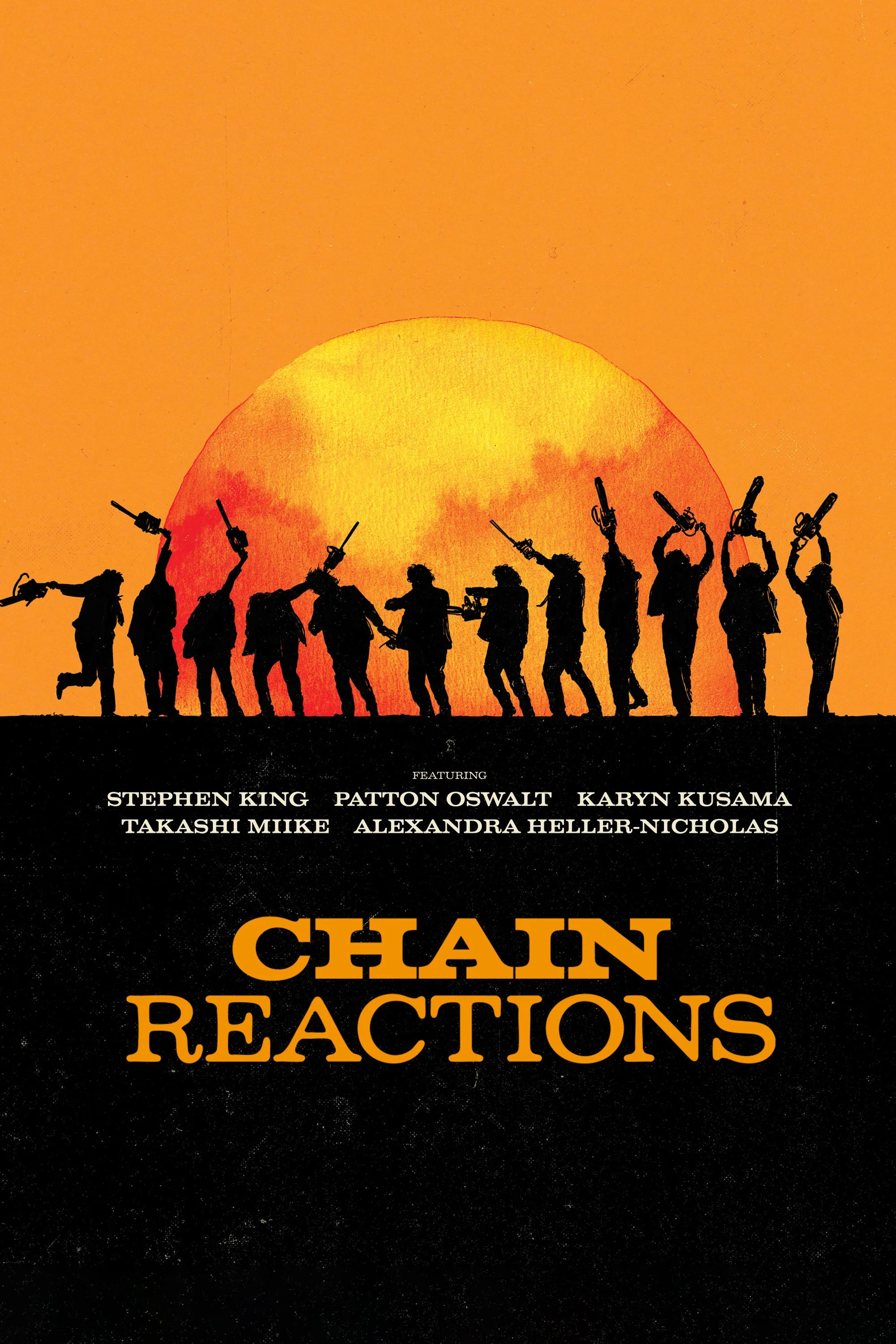
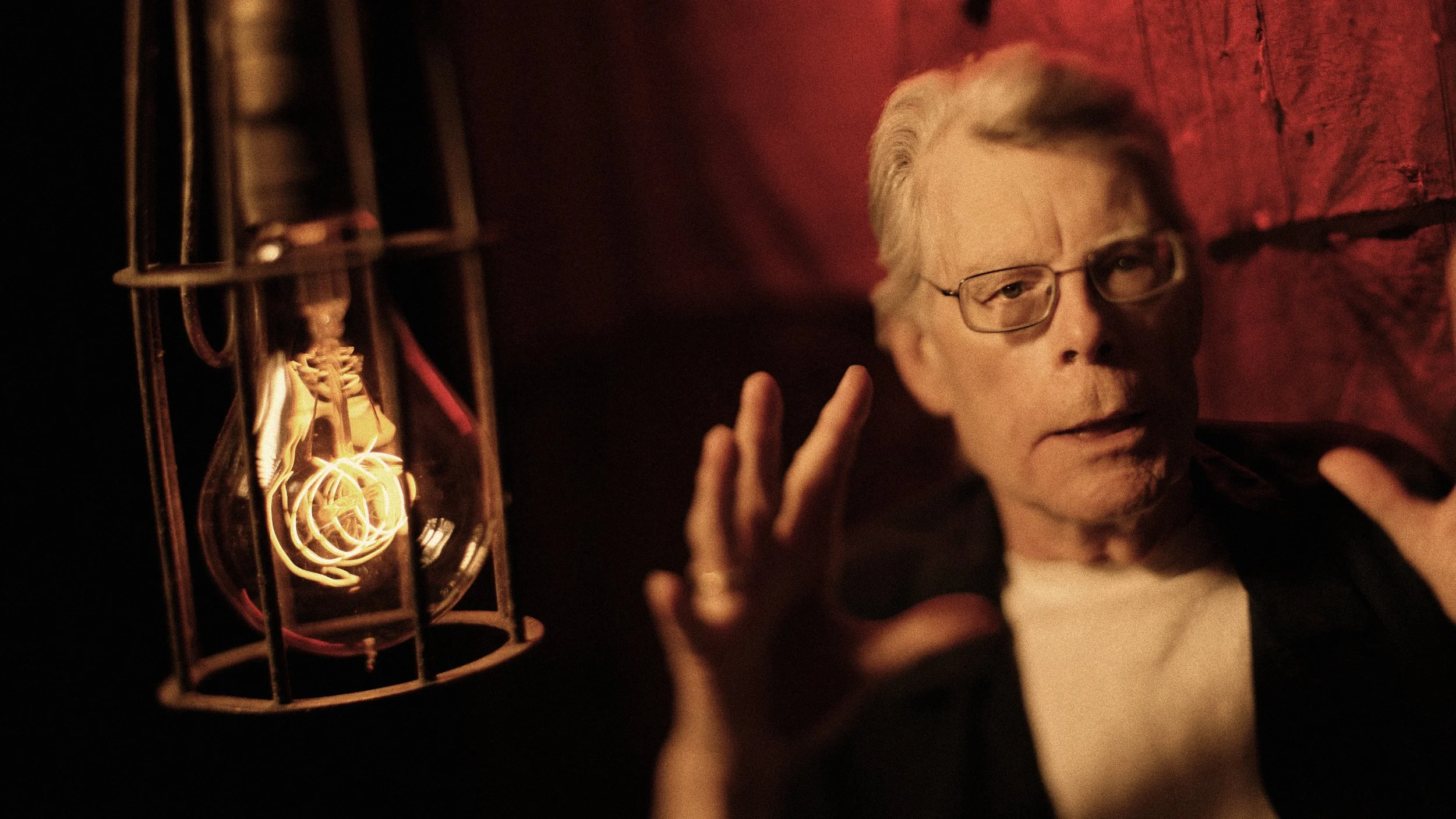
Fifty years after Tobe Hooper’s The Texas Chain Saw Massacre first rattled audiences, filmmaker Alexandre O. Philippe explores why the chainsaw continues to roar. Dark Sky Films’ Chain Reactions, winner of the Venice Classics Lion for Best Documentary on Cinema at the 2024 Venice Film Festival, investigates the enduring legacy of Hooper’s 1974 low-budget masterpiece by tracing its imprint on those whose lives and art were indelibly shaped by it. Actor and comedian Patton Oswalt, filmmaker Takashi Miike, scholar Alexandra Heller-Nicholas, horror maestro Stephen King and director Karyn Kusama share insights into how the film — and Leatherface — influenced their work and careers.
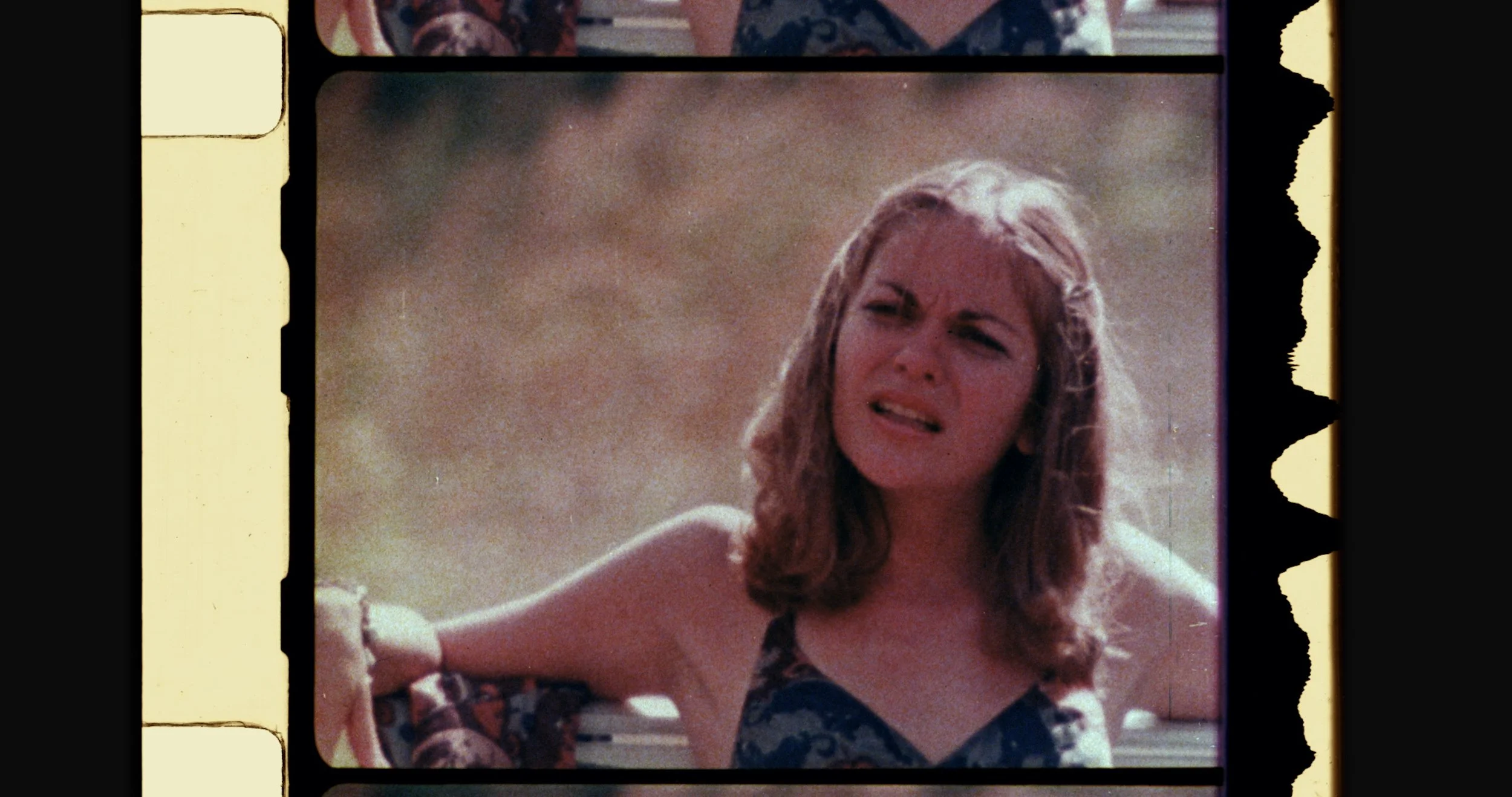
Blending never-before-seen footage with contemporary reflections, Philippe meditates on how cinema infiltrates memory, shapes identity and sometimes inflicts experiential wounds (Philippe says it’s the only movie he’s ever had to turn off). Structured to mirror the passage of time within Texas Chain Saw itself from high noon through nightfall and into dawn, the film functions as a kind of cultural séance, staging a dialogue between the past and present. It’s also a conversation about the ways in which we consume media, from the raw textures of a truncated 16mm or 35mm grindhouse print to well-worn VHS copies and the transfixing encounter of seeing a pristine digital restoration on the big screen.
With films like 78/52 (on the shower scene in Hitchcock’s Psycho), Memory: The Origins of Alien, Lynch/Oz and the upcoming Kim Novak's Vertigo, Philippe has developed a signature approach to what he calls the cinema essay: works that dissect, celebrate and reframe the ways films resonate across generations. With Chain Reactions, he brings that same sensibility to one of the most divisive and influential horror films ever made, positioning it not only as a landmark of the genre but also as a timeless reflection of American anxiety.
In conversation with Writer/Director Alexandre O. Philippe.
Film Review (FR): In your own relationship to The Texas Chain Saw Massacre, from that initial VHS viewing to seeing it much later on the big screen, what changed? Was it you, was it the film, or was it the circumstances?
Alexandre O. Philippe (AP): That's a complicated question. Is it the chicken or the egg? Obviously it has to be me, I think. When I watched it on the big screen for the first time in Norway at Ramaskrik [Film Festival], it was very interesting, because I fully expected to not be able to handle the film, especially after having had such a traumatic experience watching it the first time around on VHS, but from the very first shots of that absolutely glorious restoration. I remember being in awe of the beauty and the grain and the lighting and the colours and the poetry of the film. The sheer beauty of it, the tragedy of it and the sadness of it. It's a very sad film. It's a very funny film too, strangely enough.
We always talk about the horror, the horror, the horror, and that's fine, but there's so much more to it than that. It's a profoundly disturbing movie and beautiful film, and that's what sucked me in. I think when I walked out of the theatre after that viewing, at that point I knew I was in love with the film, and I knew I had to revisit it over and over again, as I have very clearly had to do for Chain Reactions.
(FR): What draws you to stories within this genre, because it is more than horror; it's all of the things that are being explored within the context of horror.
(AP): Horror, I will always say, is one of the most important, if not the most important genre that we have. Through horror, you are able to express big, important ideas that we have to process as people collectively that other genres can't without becoming overly political or on the nose. The beauty about horror is that it can be allegorical. It's a way to confront and think about your fears in ways that other genres wouldn't be able to provide. I always like to say, fear is the gateway towards self-knowledge. If you understand what you're afraid of and why you're afraid of it, you're that much closer to understanding yourself.
We have to stop looking at horror as this little side genre, or this thing that we shouldn't really be talking about. We have to stop talking about elevated horror. What the hell does that mean? Is there a kind of horror film that is more elevated than this $60,000 movie made by kids in 1973 and came out in 1974 called The Texas Chain Saw Massacre? Here we are, 51 years later, and we're still talking about it. Are we still talking about Shakespeare in Love? All these movies that won the Oscar? We're never going to talk about these movies again. You know, who cares? Texas Chain Saw is going to be talked about 15 years from now. That's how important the movie is.
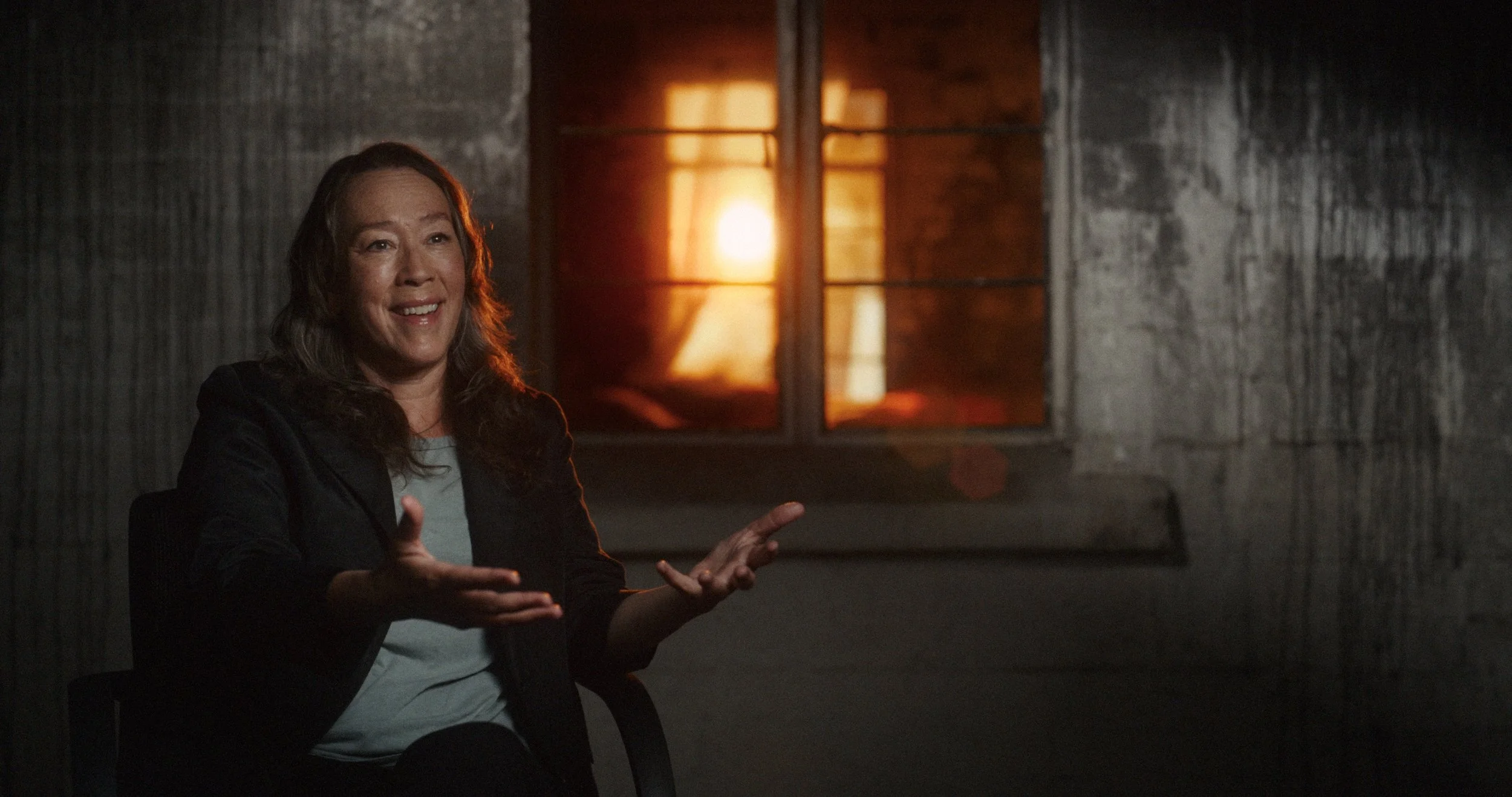
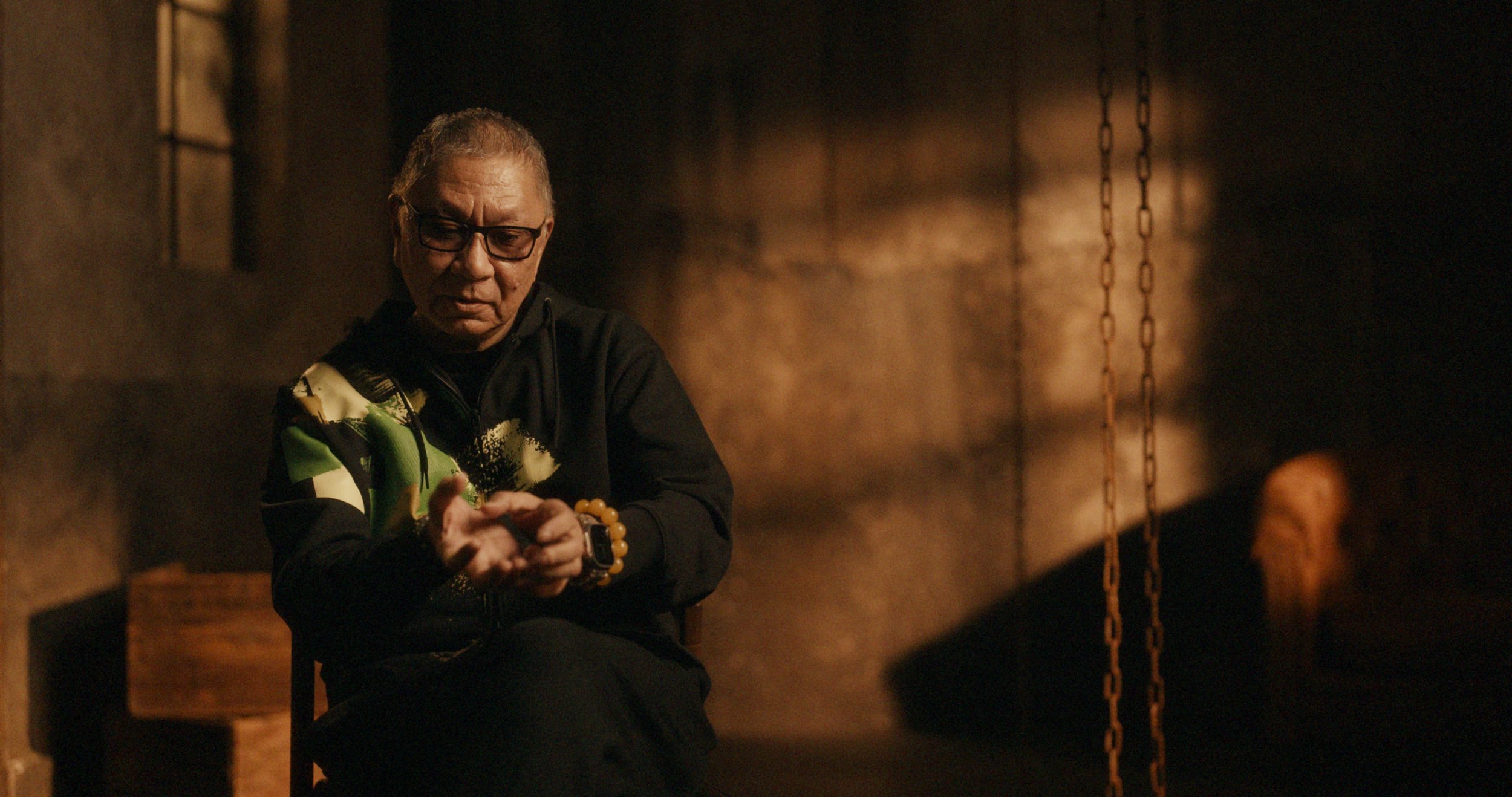
(FR): How did you arrive at your chapter interviews and find the narrative of this film, going from noon to sunrise?
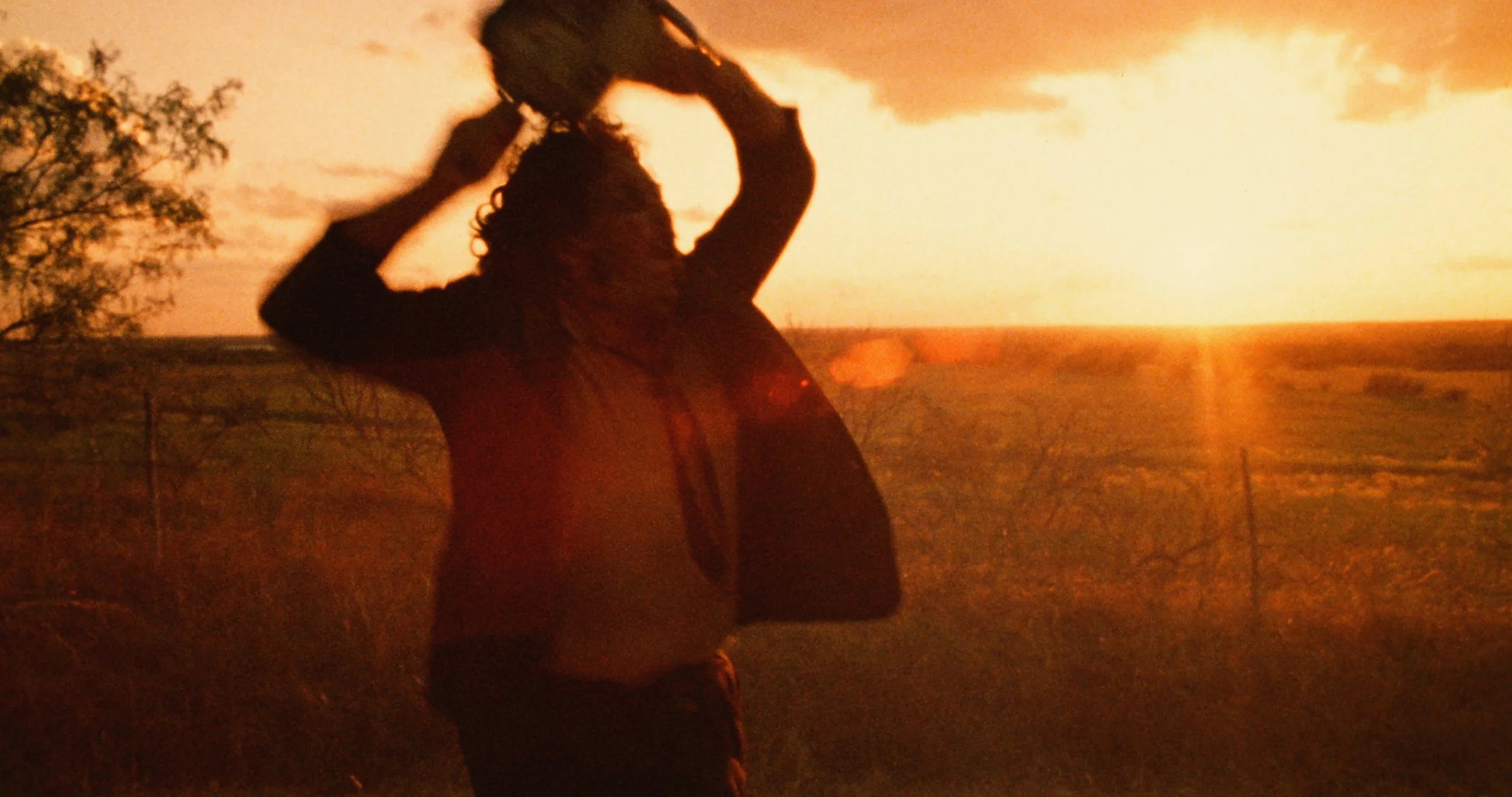
(AP): That definitely meant no room for error, because when you commit to this particular style, it means that you're lighting somebody for dusk, you're lighting somebody for sunrise, and you can't move them around. I felt that that was the right way to pay tribute to The Texas Chain Saw Massacre. This being essentially the 50th anniversary film, I think that I wanted Chain Reactions to create a little bit of a dialogue between the film 50 years ago, by way of outtakes and these interstitials, and then the film today.
These five perspectives are inhabiting this kind of ghost version of the Sawyer house — what it might look like 50 years later if it had been abandoned, left to its own devices and maybe burnt from the inside. It's almost like the ghosts of Texas Chain Saw are coming back. All the memories, the traumas, the inspirations and the influences — it's all coming back. That's the idea behind Chain Reactions.
(FR): It's five perspectives, but through that, we also understand that obviously there are so many more chain reactions. It feels like a linchpin in horror, for what it opened up for the genre and for filmmaking.
(AP): A hundred per cent. The ripple effect is real, and it's going to keep going. As Karyn says, I think the film in many ways is more contemporary today. When she says Tobe was looking into the future of America, it's like, ‘Wow, yeah. A hundred per cent and it makes me sad.’ We're going through a very difficult time right now, but I think Texas Chain Saw has a lot to say and teach us about it. It's no mistake that Texas Chain Saw has been a part of the dialogue for a while again. I'm very proud that Chain Reactions is also a part of that cultural dialogue.
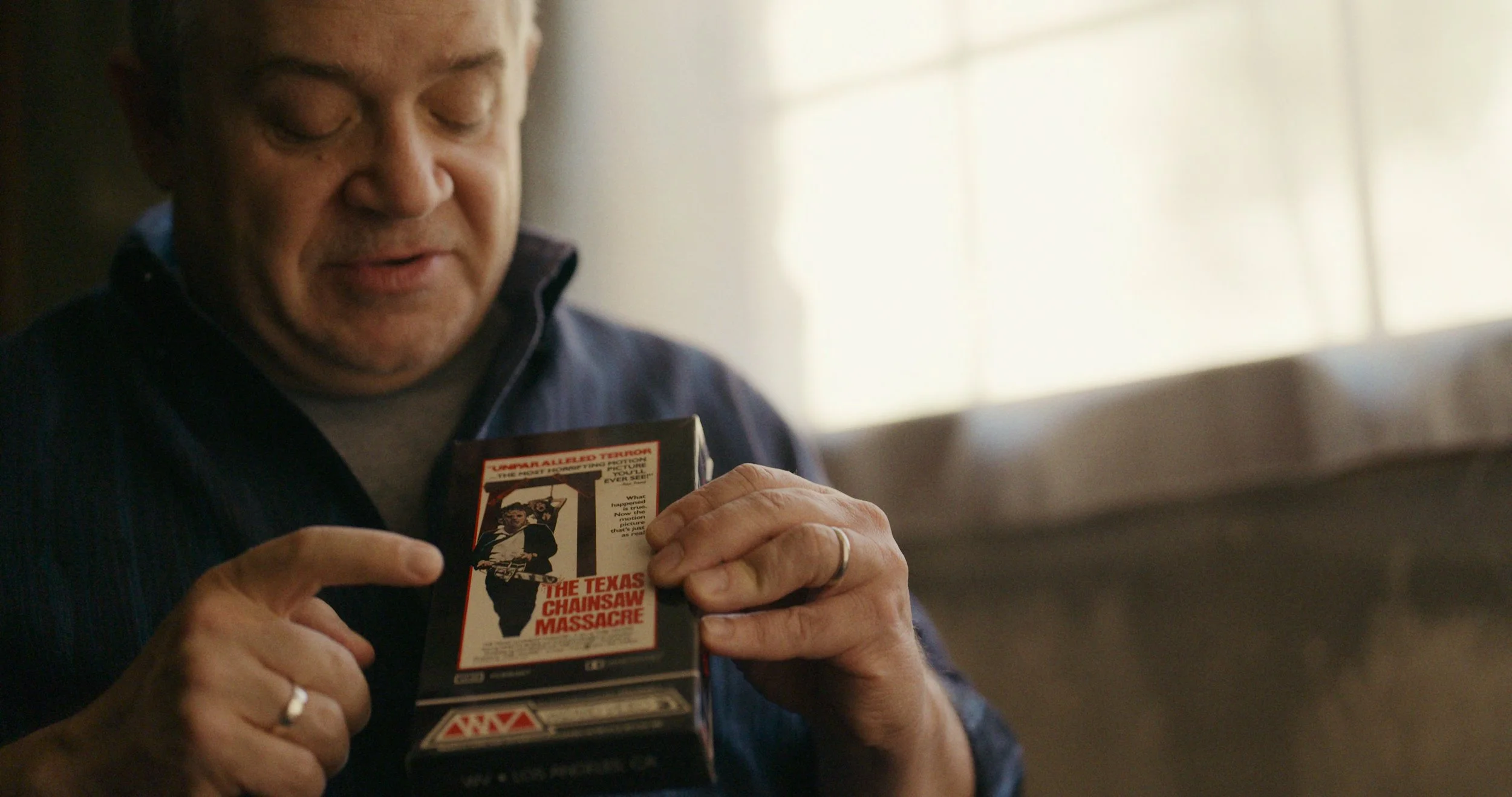
(FR): You begin and end with a TV. A generation grew up encountering horror through VHS. How does the home video experience add to the lore of Texas Chain Saw Massacre?
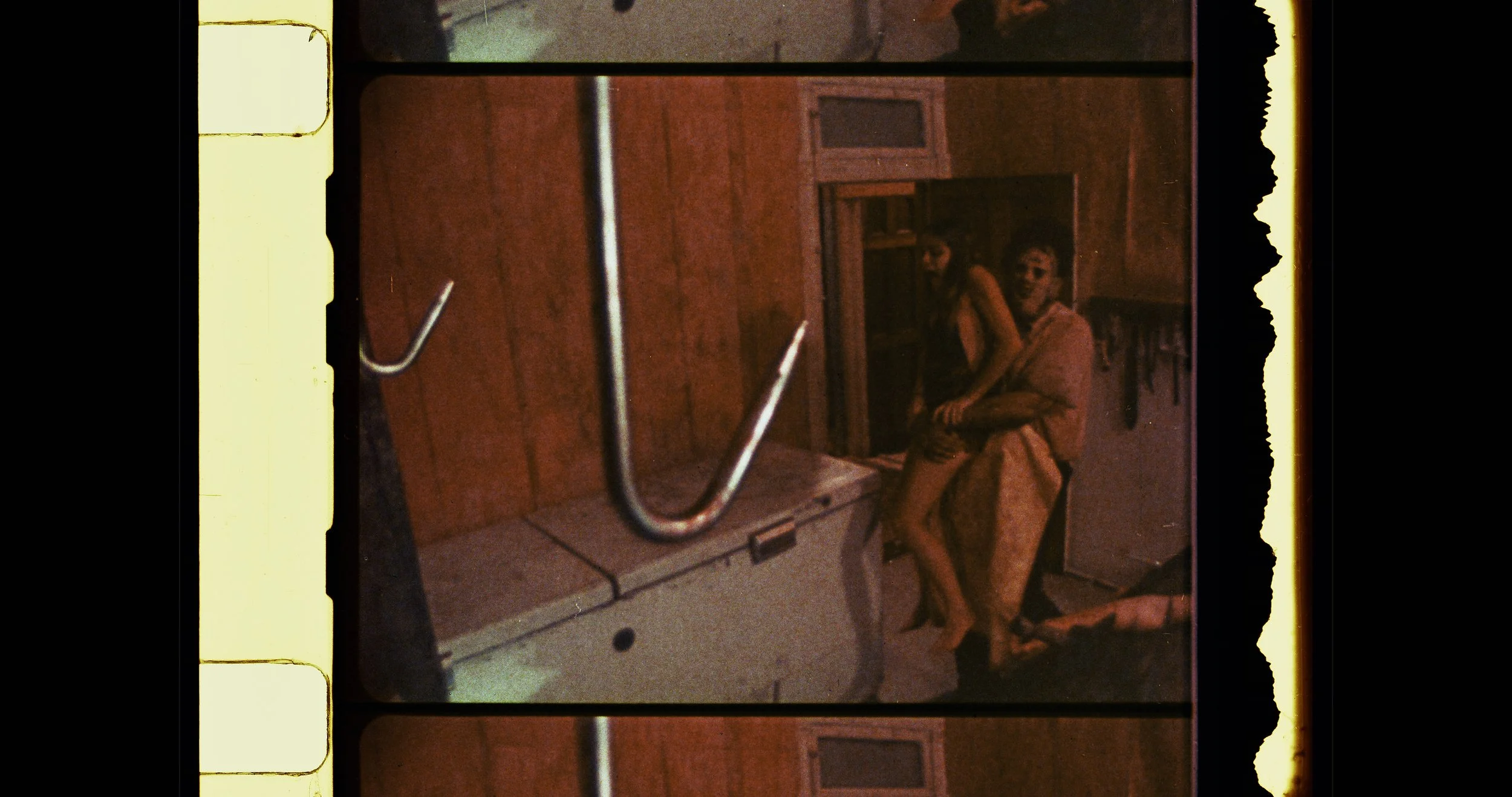
(AP): Chain Reactions is also very much about the ways in which you can experience the film. I’m trying to debunk this idea that any version is the definitive way of watching the film. Yes, of course, if you're going to watch it once, get the 4K UHD; it's gorgeous, it's beautiful and it's the way that was intended. But there are many other ways. Try to find an old 35mm grindhouse print. That’s a pretty awesome experience. There are all these different VHS tapes in various states of decomposition. That’s really cool too.
In fact, that's something that we are going to be celebrating in a very special way. We're releasing Chain Reactions on a three-disc box set with eight distinct versions of Texas Chain Saw, ranging from 35mm to a couple of 16mm versions to several VHS transfers to one of the rare Super 8s. It's really a way to celebrate all these different formats, and I think experiencing the film in those different formats is literally a new experience.
(FR): What surprised you the most to learn about the film or its influences?
(AP): I don't think of myself as a film historian or a film scholar. I don't think of myself as a documentarian either. To be honest, I don't make behind-the-scenes movies. Anecdotes are great, and what happened behind the scenes is really cool, but those are not the films that I make. I make films about the mysteries of the creative process. I make films about the zeitgeist. I make films about how a film gets under your skin. It’s an interpretation and abstraction, so in that sense, everything surprises me.
Every time that I get to pick the brain of a Patton Oswalt or Stephen King or Karyn Kusama, I'm in for a treat because they're going to show me things and open doors that I never in a million years thought about in the context of a film that I know very well. That's the joy, and that's the beauty: we all have different perspectives. When you have the opportunity to pick the brains of people like that, then you're going to be surprised from beginning to end. It's so much fun to dig with these people — dig deeper and deeper and deeper and get these exciting perspectives on the film.
(FR): Through that excavation, how did it change or alter your perception of the legacy of Texas Chain Saw?
(AP): I think that it cemented it. Obviously the legacy is very clear. There are very few people who have never heard of the film in the first place, which is quite remarkable for such a small film. What really changed was when we did a screening of a 35mm grindhouse print at CU Boulder in front of 160 college kids, most of whom had never watched the film. I did an introduction, and I told them, “Nothing can prepare you for what you're about to watch.” You could see the smug look on their faces, like, ‘Yeah, thrill me, impress me.’ These kids, they think they've seen everything, right? They were like, ‘Yeah, it's an old film; we're going to laugh.’
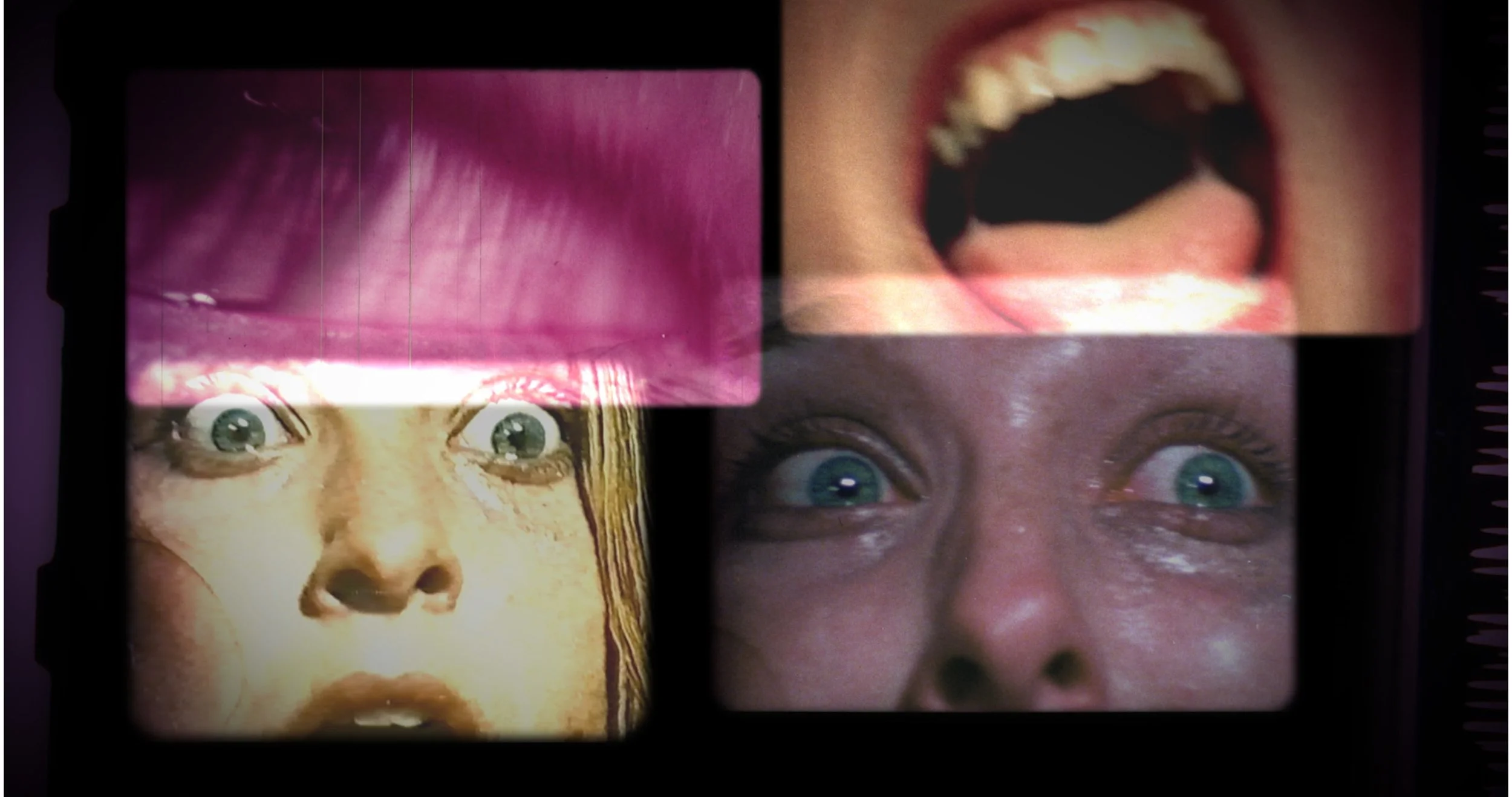
Well, I'll tell you what, you could hear a pin drop, and I was watching them as they were watching the film. Tobe Hooper was playing them like a fiddle. They were laughing uncomfortably where they were supposed to laugh. And they were absolutely silent where they were supposed to be silent. They were freaked out where they were supposed to be freaked out. They were surprised where they were supposed to be surprised. They walked out like they had seen a ghost, you know? That is when I realised, ‘Okay, this is a film that is 50 years old, and it hasn't lost any of its power.’ It's really cool to see new generations being exposed to that film — and I'm envious. I wish I could experience that film now for the first time, because that first time is really something.
(FR): Are there other films that have matched or rivalled that experience for you?
(AP): Very few. Obviously Psycho and The Exorcist. Alien was certainly a profound experience, but for me The Blair Witch Project is a film that I felt physically. It's really the last physical experience that I felt. I felt that communal dread at the film. It was a really powerful experience. Then very recently, a film that really affected me, and I think is going to be talked about as a very important film down the road, is Weapons. It's a film about our time, about what we're going through right now, and I think it will go down in history as one of the great horror films.
Chain Reactions is available in select cinemas and arrives on home entertainment on digital and Blu-ray from 27 October. To learn more and book tickets, visit: https://chainreactionsfilm.com/
Buy The Texas Chain Saw Massacre 50th Anniversary Collector’s Edition: https://darkskyfilms.com/film/texas-chainsaw-massacre/
Watch Chain Reactions:

ALEXANDRE O. PHILIPPE has developed his own brand of “cinema essay,” exploring the art of filmmaking and its practitioners. His body of work includes 78/52, Memory: The Origins of Alien, Leap of Faith: William Friedkin on The Exorcist, and Lynch/Oz. He won the 2024 Venice Classics Lion for Chain Reactions, which also had its North American premiere at the Telluride Film Festival. Alexandre is currently working on multiple feature documentaries on cinema. His latest, Kim Novak’s Vertigo, premiered at the 2025 Venice Film Festival.