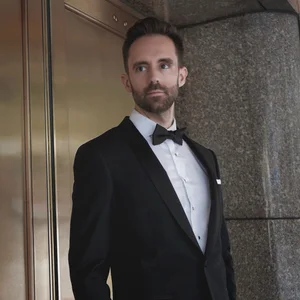
Glitz, Glamour, Gorgeous: Revisiting Hollywood with Greg Schreiner
by CHAD KENNERK
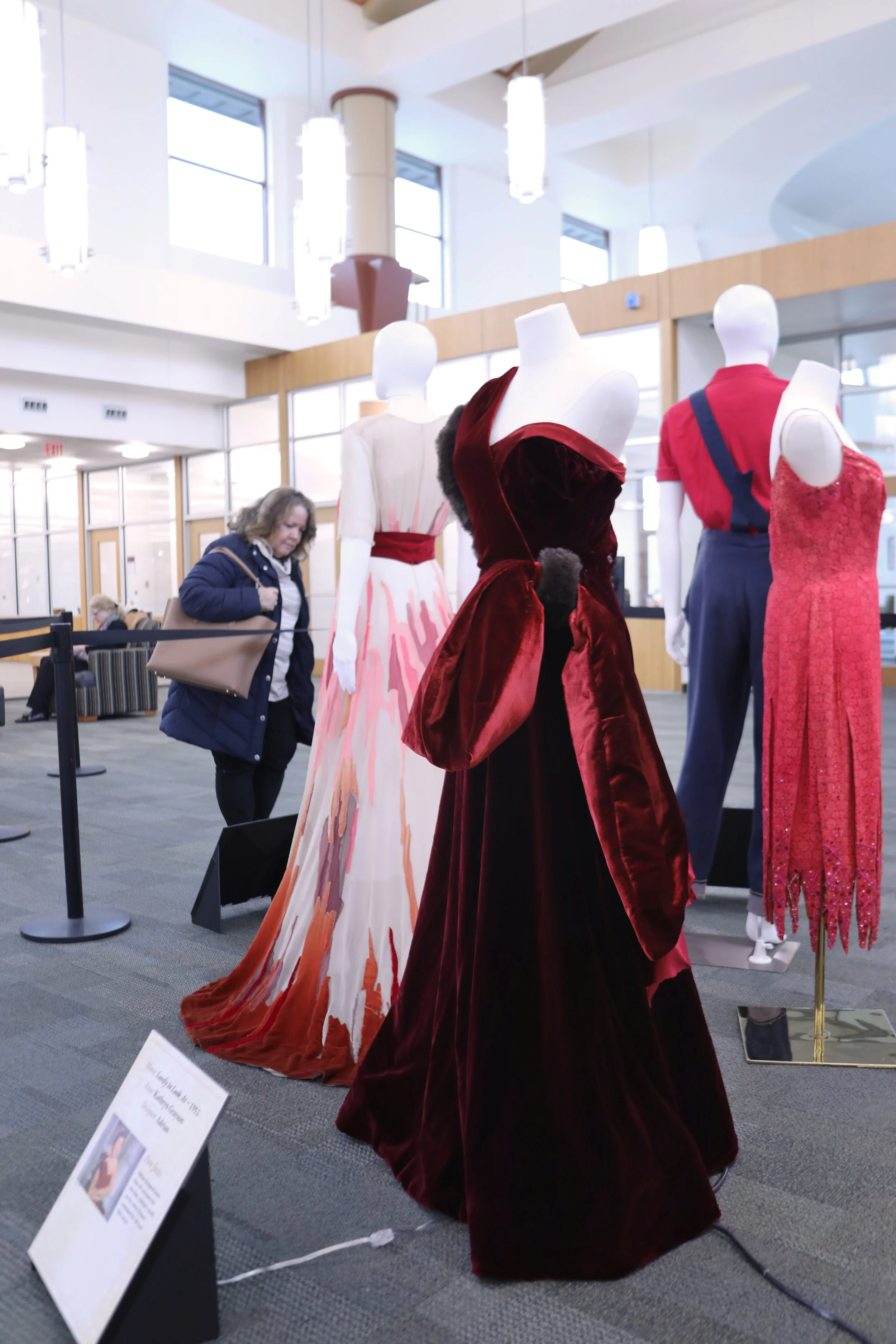
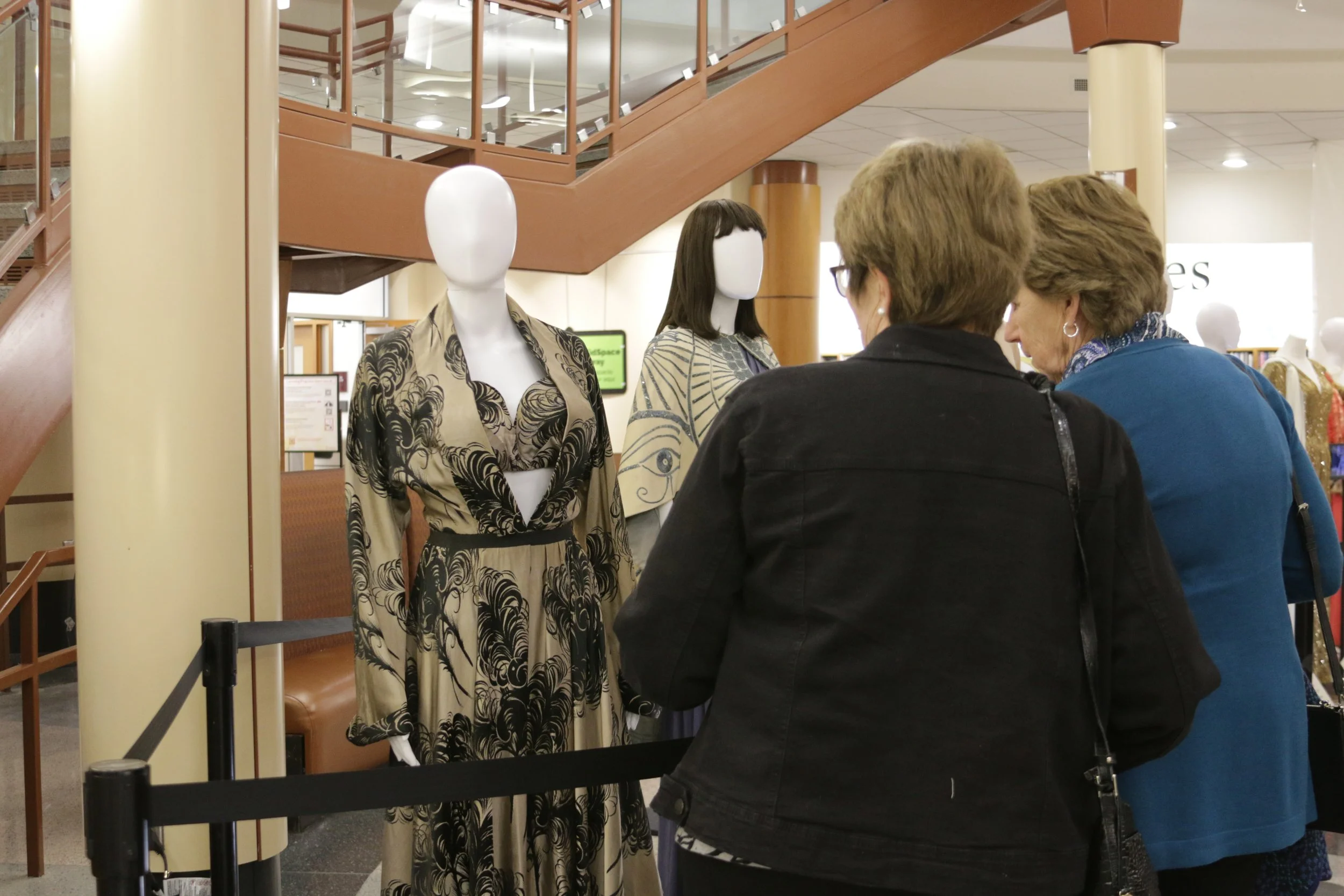
Kathryn Grayson's gown from Lovely to Look At (1952), designed by Adrian. Image courtesy of Gail Borden Public Library.
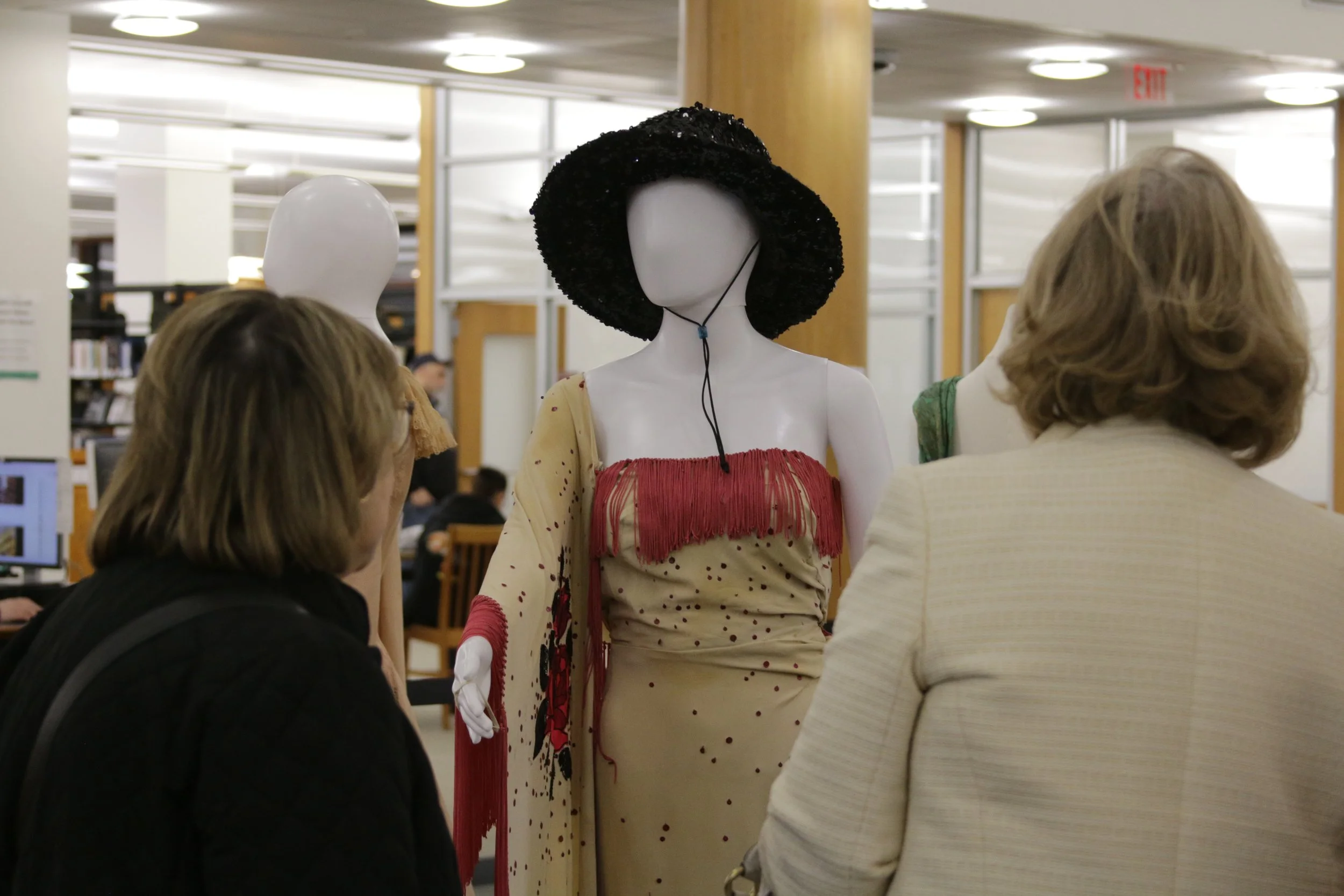
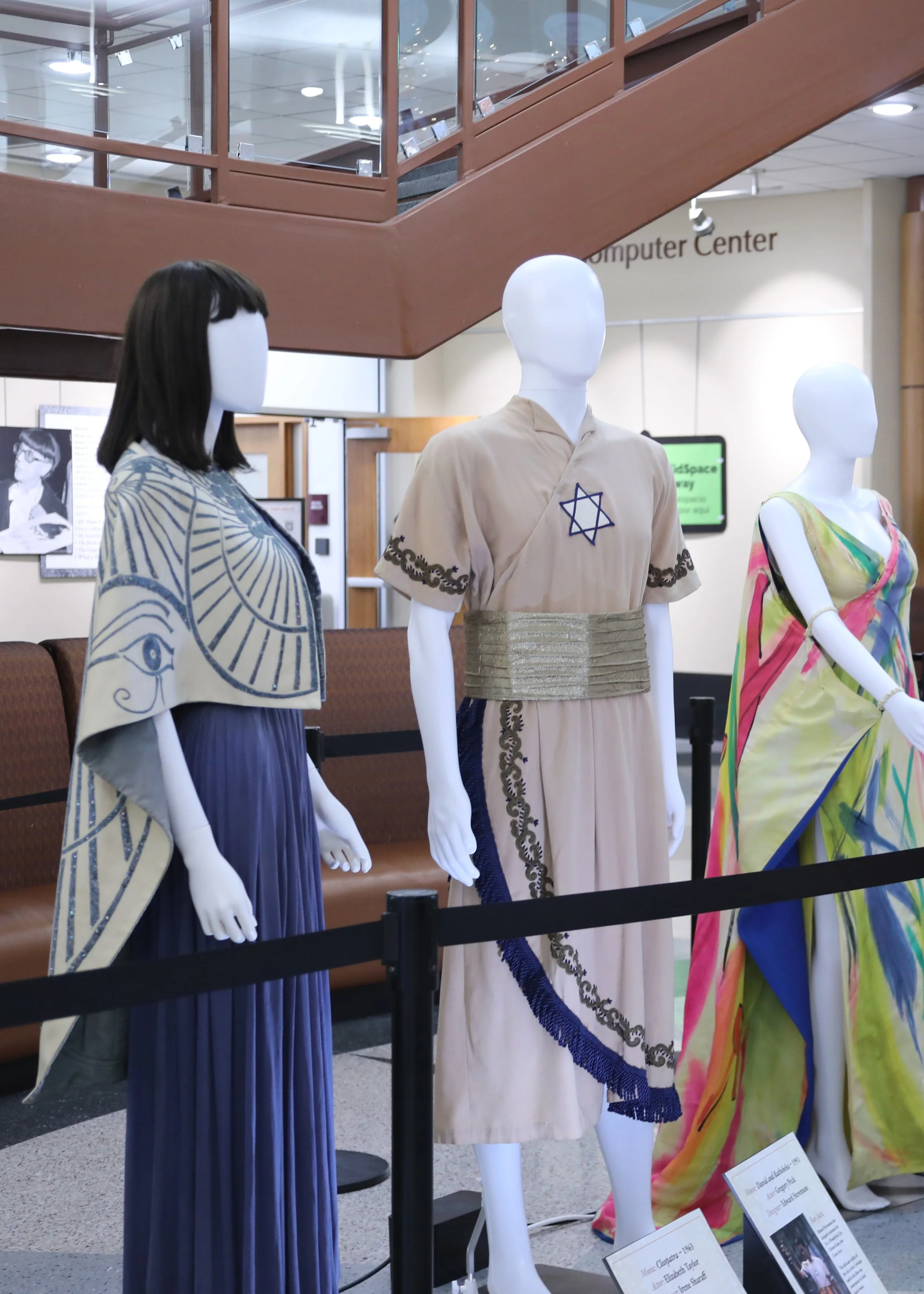
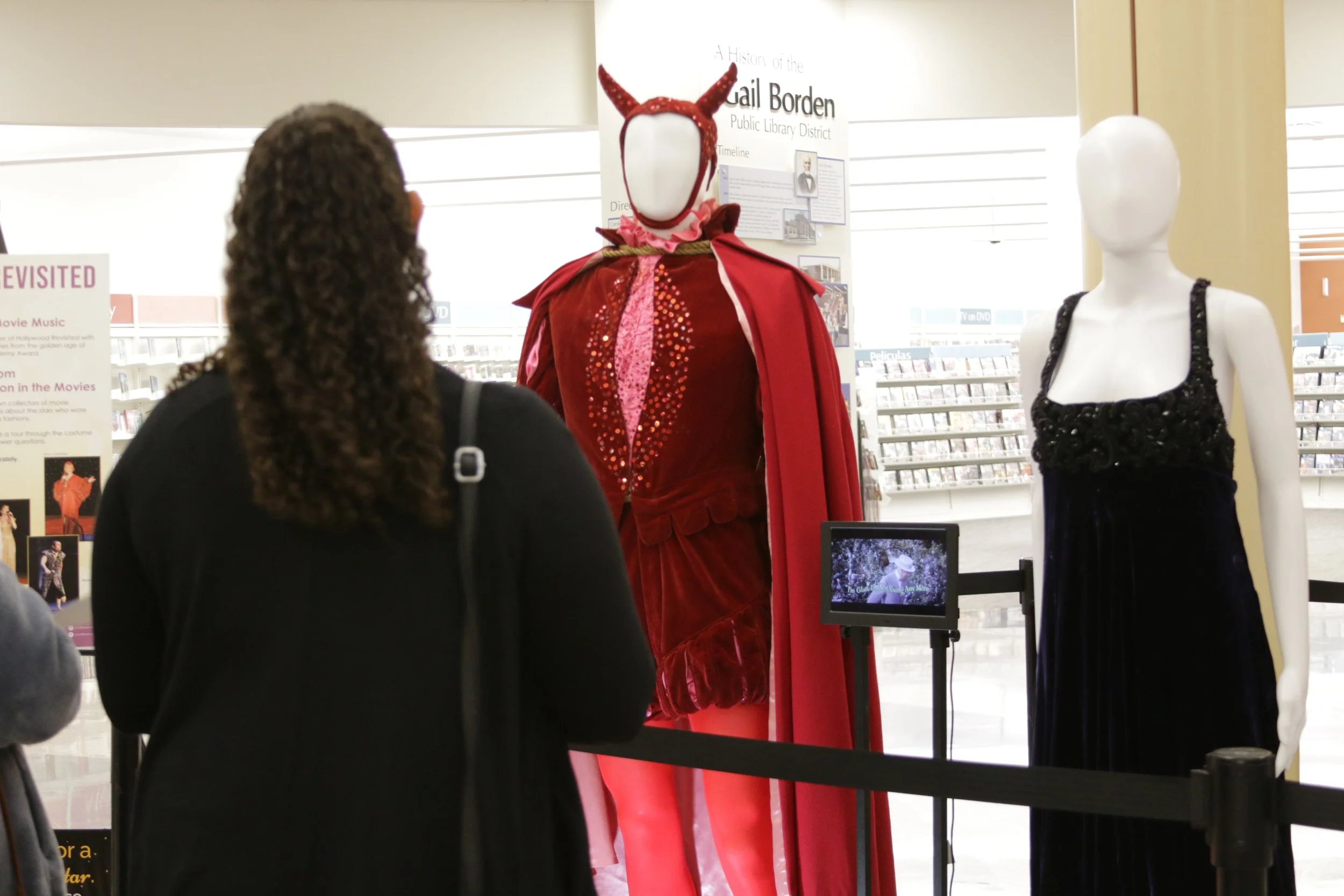
Appearing for the first time in the Chicago area is a uniquely curated tribute to the timeless glamour of Hollywood’s golden age — and the wardrobes that defined it. With screen-worn costumes that span classic and contemporary film history from 1939 to 2005, Glitz, Glamour, Gorgeous: A Tribute to Hollywood Movie Costumes at the Gail Borden Public Library in Elgin, Illinois, offers an up-close look at the fashion that helped shape some of cinema’s iconic moments.
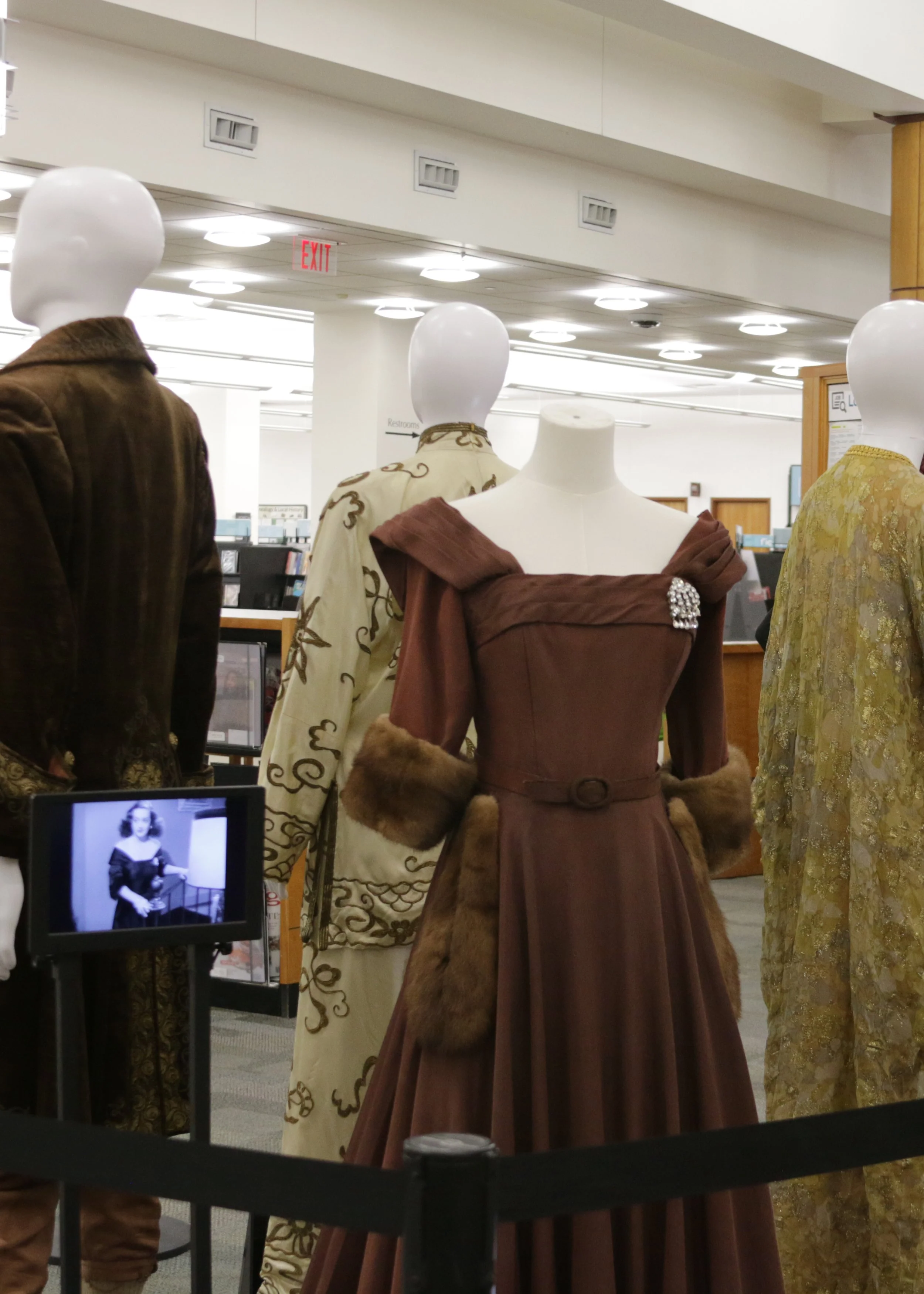
From Elizabeth Taylor’s regal ensemble in Cleopatra to Bette Davis’ off-the-shoulder gown in All About Eve and pieces worn by former Film Review contributors Doris Day, Gregory Peck, Lana Turner and Betty Grable, Glitz, Glamour, Gorgeous showcases 33 screen-worn costumes representing important designers like Adrian, Edith Head, Orry-Kelly, Walter Plunkett, Helen Rose, Irene Sharaff and William Travilla.
The treasures come from the private collection of Greg Schreiner — a renowned pianist, producer and lifelong collector of Hollywood memorabilia. Schreiner is the president and a founding member of Marilyn Remembered, the longest-running fan club devoted to continuing the legacy of Marilyn Monroe. Schreiner has spent decades preserving the garments that helped define the golden age of cinema. His passion evolved into Hollywood Revisited, a travelling stage production in which several of the costumes in his collection come to life through performance and music.
In conversation with collector Greg Schreiner.
Film Review (FR): Your collection is an impressive cross-section of Hollywood history. How did your journey as a collector begin?
Greg Schreiner (GS): I started collecting Marilyn Monroe first because I'm president of her fan club, and I wanted something of Marilyn's to have in my home. Back in 1982, I got a dress, and it was so exciting to have something that I knew she actually touched. I thought, ‘I'll get another one.’ I went to another auction, and I was able to get that item as well. Things were still affordable back in 1982. However, things started escalating, and eventually I really couldn't afford Marilyn, but by that time, I just loved the idea of owning things. I started collecting other movie stars. One day I woke up, and I had 500 [costumes] in my closet. I thought, ‘Wow, things got out of hand, but in a good way.’
That's how Hollywood Revisited came about. I thought, ‘I've got to do something.’ I combined my musical abilities — I'm a pianist by profession — with singers and dancers wearing the costumes. I project behind them the image of the scene that the costume is seen in. People love it. It's like they get to go back again and sort of touch a little of that era that they loved. The Golden Age was a very special time, and we’ll never have it again because the studios don't have costume departments anymore. They don't have the ability to do that kind of thing. It wasn't real. The sets were not on location. They were in the studios, and the costumes were not realistic. They were over the top and wonderful. It was a magical time.
(FR): A dream factory.
(GS): Yeah, I think that's why people went to the movies: partly to get away from their everyday world and see this magical, wonderful land that didn't really exist, but they wanted it to exist. When they saw the show, people came to me and some of them were almost crying. It’s like, ‘I can't believe I've been able to go back and relive a bit of that again.’ It's very magical, and it makes me very happy that I can do that for people.
(FR): Talk to me about preservation, which is important to you. When I hear ‘costumes on people’, I get very anxious.
(GS): I know. And let me first preface by saying only about 10 percent of my collection ever makes it into the show. The costumes I feel can survive that. I've spoken to several costume designers, major ones like Albert Wolsky, who won the Academy Award three times for his costume designs. He agrees and says, “I designed these costumes to be moving on figures. When they're on a mannequin, they're not really showing what my costumes can do.” He personally loves what I'm doing. There are other people that say you should never, ever do anything like that to a costume. If a costume ever shows any sign of wear, I pull it from the show immediately, and that's the last time it's on stage.
I've always thought somehow that the costumes are living longer because they're so happy to be seen again. I’m not sure that's true, but it seems to be. I mean, the show has been going for over 20 years now, and some of the costumes show no wear whatsoever. They're only worn for that brief moment they're on the stage, and then they're taken off. I steam them after every show, and I do everything I can to preserve them, but the other 90 percent of my collection rests in acid-free boxes and acid-free tissue, which is the preferred way to preserve costumes. But I don't collect them to keep them in boxes. I collect them for people to enjoy. That's why I'm always anxious to get an exhibit going wherever I can, like the one in Chicago. I have another opening at the DeMille barn in Hollywood. I'm working with the Academy Museum of Motion Pictures for a huge exhibit on Marilyn Monroe next June, as well as London and Paris, which are going to have big exhibits of my collection too. It's a very exciting time for costume.
(FR): You have a direct connection to the library that sparked the exhibit.
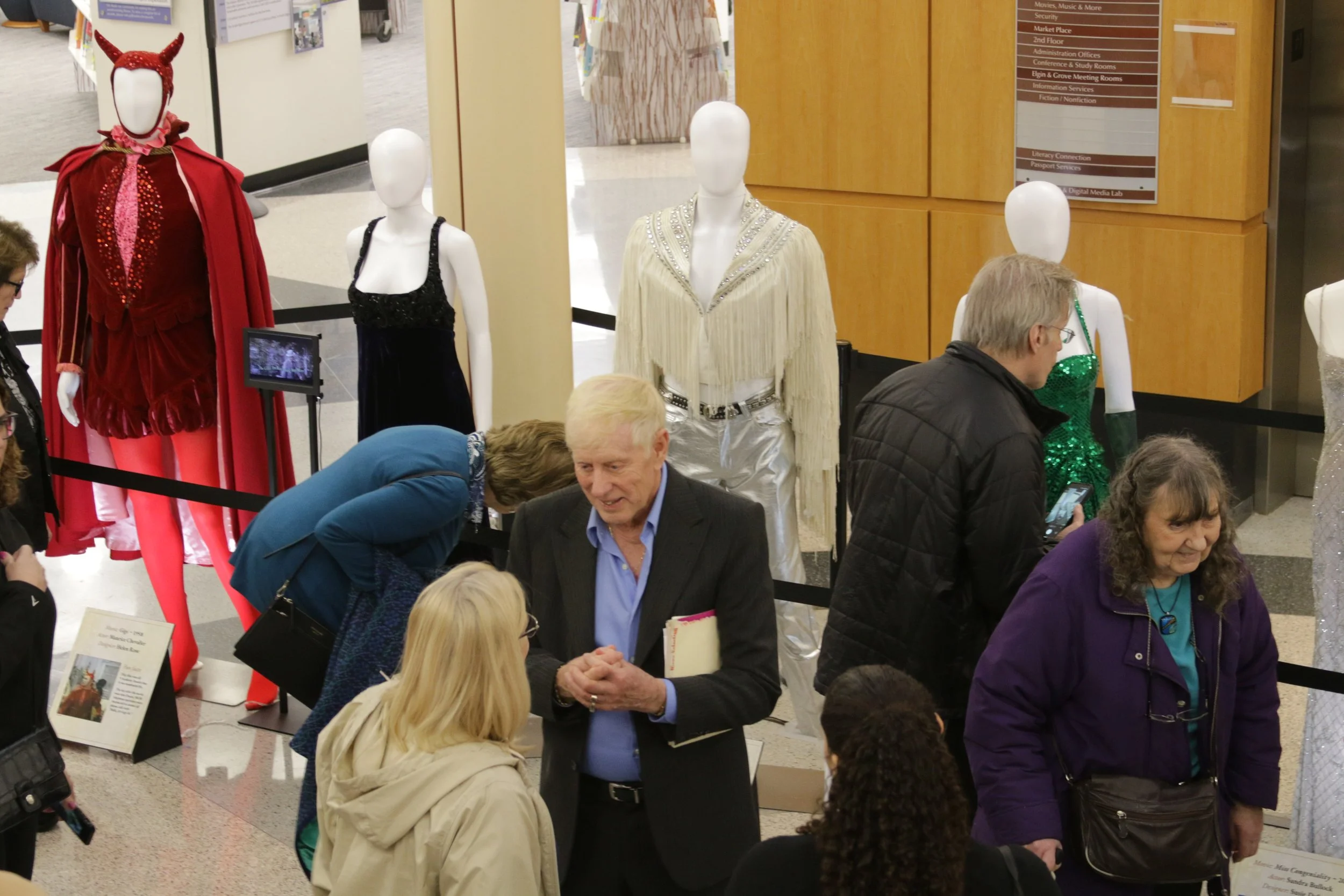
(GS): My connection to the whole exhibit in Chicago is that the head of the entire library, [Carole Medal], and I went to school together at Millikin University in Decatur, Illinois. We were classmates at the same time. Who knew that she would end up being in this position? Two years ago, I did my Hollywood Revisited show at the Elgin Community College Arts Center, and she came to it. She was sparked by how exciting that was. That led to an exhibit in this beautiful, stunning space — which is the most spectacular library I've ever been in. It's just really gorgeous.
(FR): Out of 500 costumes, how did you narrow down what you're going to put in the exhibit?
(GS): Well, I didn't, actually; she did. I sent her a lot of potential costume possibilities with photos of them, and she picked out what she thought would be the good ones. We're talking about bringing back another exhibit of different costumes, and I think this time I will choose. Not that hers were bad choices, but I have some really great ones that I don't want to miss out on being seen.
(FR): Among the three dozen pieces in the exhibit, are there any that hold particularly special memories or backstories?
(GS): Yeah, a lot of my costumes have a history. Two of the really important ones that are in the exhibit are the gowns worn by Elizabeth Taylor in Cleopatra and Bette Davis in All About Eve. Those two came directly from the Victoria and Albert Museum in London, where they were on exhibit, and they literally shipped them to Chicago. They already had two years of being seen in London to rave reviews, and then they came to Chicago after that. They've been enjoying international travel. The stories, I guess, would be how I got them. The Bette Davis [dress] came directly from Edith Head’s estate. She had pulled a lot of her costumes and was doing fashion shows all over the world with them. When she died, she had all these costumes in her possession, and I was lucky enough to get that particular costume from [her estate].
Costumes come from everywhere. Today, they mostly come from auctions. But when I first started collecting, it was amazing where they’d turn up. I even found some costumes in thrift stores. People didn't know what was there. It was a time when people didn't care as much about costumes, so they weren't looking for them as actively. Nowadays, that would be almost impossible. It was an exciting time. I wish I had started even earlier, like the famous MGM auction, when things really went cheap. I could have some ruby slippers or something. But I was a kid when that happened, and I had no money, so there was no way I could have done it.
(FR): It is amazing how the market has evolved. On one hand, it's exciting that these pieces are being seen as legitimate art; that’s something that should be preserved. On the other hand, unless you have deep pockets, it's hard to get into collecting now.
(GS): It’s really difficult, unless you are willing to settle for minor pieces that are not as important. A lot of things today are off-the-rack costumes, which means they literally just bought them in a department store. They're not made by the studio, and they generally don't go as high as these things that were made by designers and the studios. It's a different world. Unfortunately, a lot of the really major, major pieces that go for millions of dollars are not being bought by collectors: they're being bought by individuals with a lot of money that are making an investment. They're not concerned about the costume so much; it's just a great investment for them, which I find a little sad. You sometimes never see them again because they have no interest in displaying anything. They just want to have it as an investment.
(FR): The likelihood of those pieces being seen is greatly diminished versus someone who's collecting in order to share them.
(GS): Or you get someone like Ripley's Believe It or Not, who buys Marilyn Monroe’s birthday dress and then loans it out for somebody to wear, who obviously is not the same size as Marilyn, and damages the dress beyond repair. They don't care, and that's the sad part.
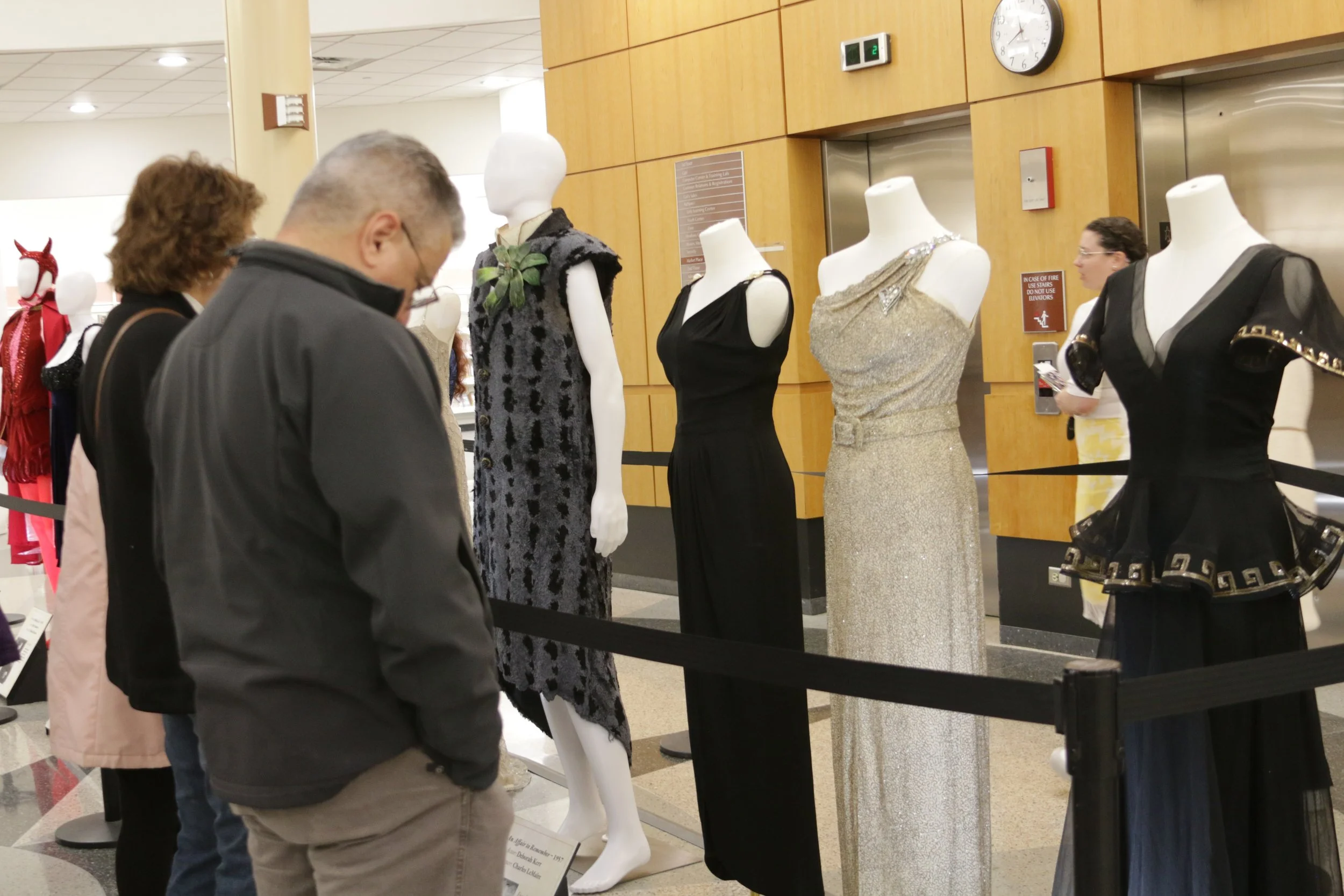
(FR): We hope that these pieces are with collectors or museums that preserve them and give fans and classic movie lovers a chance to see them. There are so many great designers highlighted in the exhibit, so it's also an opportunity to share the stories of the people who created these pieces.
(GS): Frankly, without them, we wouldn't have the costumes. They are the ones that were hired by the studios. They only worked for that studio, and they were amazingly talented people that just cranked out so many incredible designs over the years. I love what the library has done, where they have a placard for each one with a story about each costume. Some even have a monitor where they're showing the actual scene from the film at the same time. It's beautifully done.
(FR): They also have book and movie lists that allow patrons to delve deeper into Hollywood history and experience the films.
(GS): We need that, because I teach at a college, and I'm shocked at how many of my students know nothing about any of the old stars, even some that are alive, like Julie Andrews. They don't know who she is. They've never heard of The Sound of Music. They just don't know any of this. It makes me feel old, and it makes me feel sad. They have no interest in anything old. They only want to see current films.
(FR): What a lot of younger generations might not realise is how those films have directly influenced the films being made today.
(GS): That's true of all history, isn't it? If you don't know the past, you can't understand why the present is what it is. I remember as a kid watching The Late Show on television, which was the only way I could see old movies. I loved them, and I knew the old stars that came way before my time. I hope we can inspire some people to start checking out some of these older films.
(FR): One gown that I have to bring up, because this year marks the centennial of Geraldine Page, is the gown from Sweet Bird of Youth.
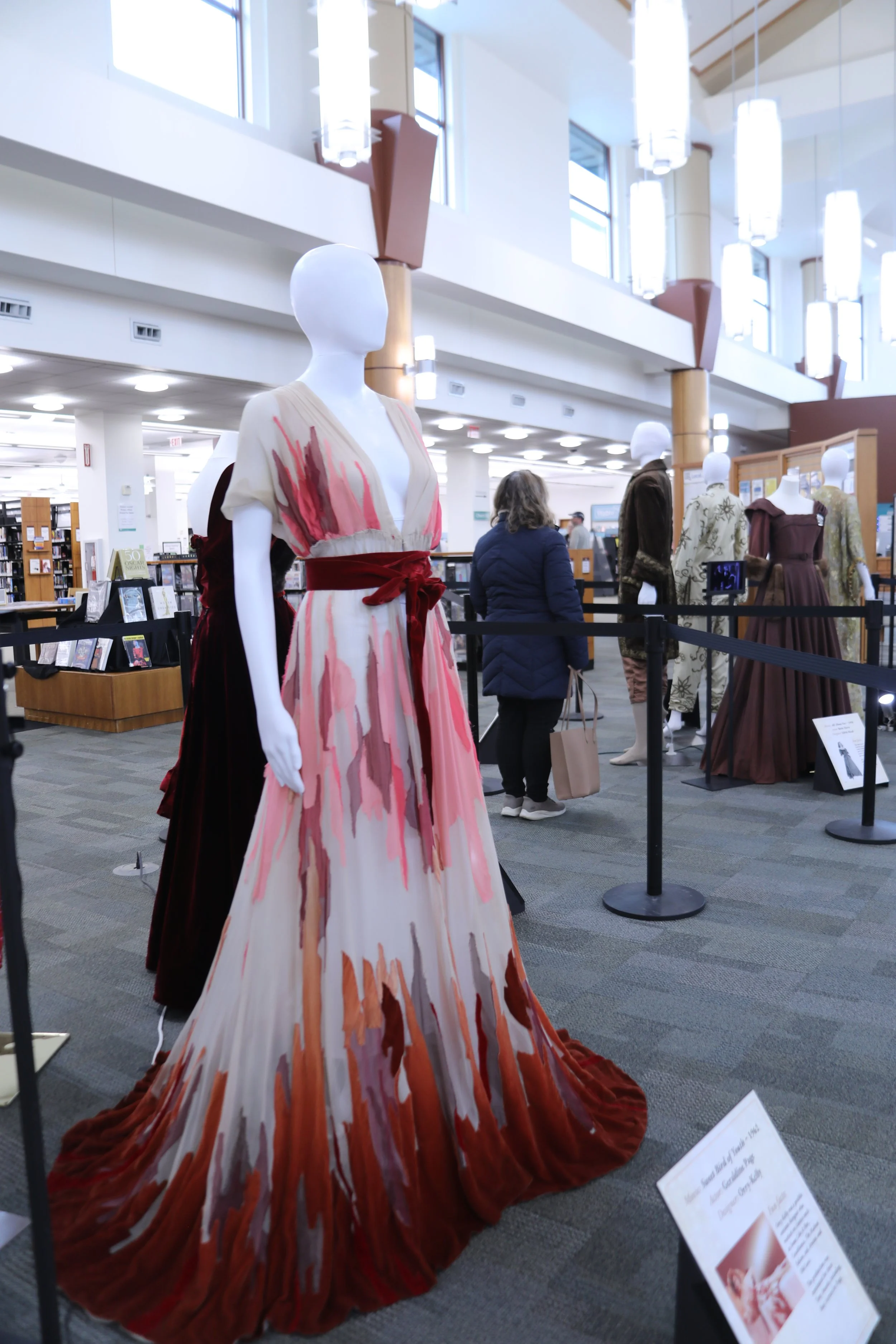
(GS): Yes, and I have one more from that movie too that I didn't give them. I love her. She's one of the great talents of Hollywood, absolutely. She’s probably not as appreciated as she should be, when you look at her body of work. How wonderful she was.
(FR): A lot of her work stayed on stage, but she still managed eight Oscar nominations, which broke a record.
(GS): They're so good; there are some really good ones.
(FR): You mentioned travelling the world with these pieces. Through this exhibit, you've also had an opportunity to put on events and to lead a tour. What's that experience been like, engaging with the community and classic movie lovers?
(GS): I love the audiences because for me, when I hear the enthusiasm and the excitement that they have, it makes me feel so good. I started collecting with that in mind — that someday, I would have a chance to share with the world what I have and my love for it. While I was in Chicago, I also did a lecture on the costumes and a piano recital of movie music. So I had lots of opportunities to share Old Hollywood. Everyone was so enthusiastic. I was shocked at how big the turnouts were and how much the audience loved it. I'm very encouraged by that and looking forward to doing more performances.
(FR): Throughout your career and time collecting, you've gotten to meet some amazing people, legends in their own right. Who made a big impression on you?
(GS): Early on, I met Jane Russell and Rhonda Fleming, who both came to see my show. I had costumes of theirs. Rhonda and I became friends, and Jane and I met a couple of times. The two people that have most influenced my life are George Chakiris and Richard Chamberlain. We've become very good friends. Unfortunately, Richard passed away recently, but he did several shows for me where he would come on stage and talk about the costumes during my show. What a thrill for the audience and what a thrill for me. Getting to know them as friends has been very special. Growing up, I watched Dr. Kildare on TV and saw West Side Story, never dreaming I would actually know these people someday and count them as my friends. The costumes have given me another avenue through these people, who have been my friends, which I'm so grateful for.
(FR): We started with Marilyn Monroe, who has her centennial coming up next year. What can you share about her centennial plans?
(GS): We're doing exhibits in Paris, London, and at the Academy Museum. All three are really going all out to do something amazing. They're pretty much encompassing my entire collection between the three of them. I will have nothing for a while, but that's okay. I'm thrilled that they're doing it, particularly the Academy, because the Academy did nothing for Marilyn while she was alive. She was not even really a presenter, except for one time, and never, ever even got a nomination.
It's exciting that they're finally recognising how important she is to Hollywood. Myself and another collector are pretty much the whole exhibit for all three. We're dividing our collection equally among the three, and it should be a wonderful time to celebrate Marilyn. In my opinion, she's probably the most recognised star in all of Hollywood, and I think that she deserves all the recognition she can get. She's really been a big part of my life. I've met so many people over the years, as president of her fan club, that knew her. I never met her, but I feel like I know her anyway.
(FR): What's this journey been like, reflecting back on your career as a collector?
(GS): I've had a blast. Who knew? I grew up in this little, tiny town of 500 people in Orangeville, Illinois, and I dreamed of Hollywood. Now I'm basically living in Hollywood and have this huge collection of costumes and this huge collection of Marilyn Monroe artefacts. My home is like a museum, which I love. I wake up every morning surrounded by all these amazing stars of Hollywood and particularly Marilyn Monroe; so many things that were hers I now own. I'm thrilled and delighted, and it makes me very happy. I'm so glad that it turned out the way it did. I don't know how I’d do anything different. I've just loved every moment of it.
Learn more about Hollywood Revisited and Glitz, Glamour, Gorgeous.
GREG SCHREINER is the pianist, narrator and producer of Hollywood Revisited. Schreiner owns one of the largest private collections of screen-worn costumes. He is the president and a founding member of the long running fan club Marilyn Remembered, devoted to preserving the memory of Marilyn Monroe. Each year since 1982 Greg has arranged and facilitated the Marilyn Monroe Memorial Service, held on 5 August at Marilyn’s resting place, Westwood Memorial Park. He has performed as a soloist with the Los Angeles Concert Orchestra, Santa Monica College Symphony, UCLA Symphony, Cypress Pops Orchestra and performed in the opening ceremonies of the 1984 Olympics. In addition to having several recordings in release, he performed the Shostakovitch and Piano Concerto for the PBS series In Search Of Wisdom and was the composer/performer for the educational series Masters of the Silent Screen. Schreiner serves on the piano faculty at Cerritos College, Santa Monica College and is the accompanist for the Mansfield Chamber Singers.