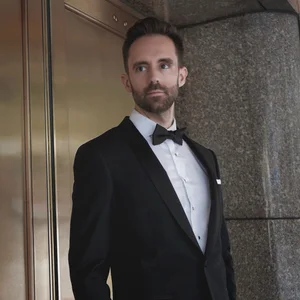
Silver Screens: Author and Journalist Jane Crowther
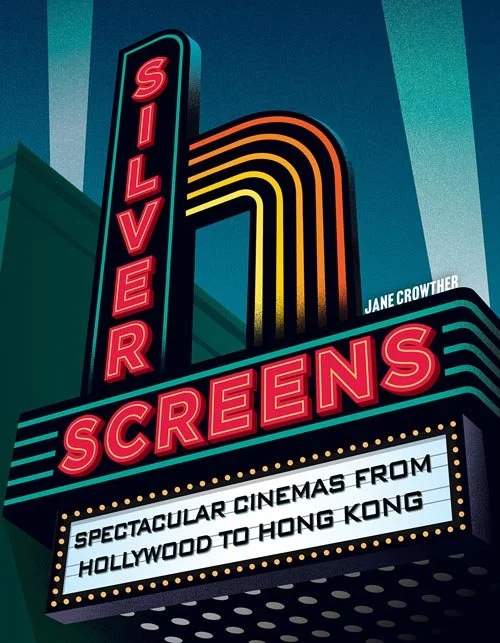
Courtesy of Pavilion Books
by CHAD KENNERK
Few places hold our collective memories quite like the cinema. In our frenetic digital world, it’s nice to know there’s a place where we can leave our worries behind and escape the algorithm. Where laughter can ripple through a room of strangers and tension can keep us united on the edge of our seats. Available now from HarperCollins Publishers’ Pavilion Books, Silver Screens: Spectacular Cinemas from Hollywood to Hong Kong is a celebration of that shared magic, honouring the movie houses, drive-ins, and theatres around the world that continue to keep the communal experience of the cinema alive.
From icons such as Hollywood’s Chinese Theatre and London’s Prince Charles Cinema to hidden gems from far-flung corners of the globe, author and journalist Jane Crowther guides readers through these living archives. Throughout her career, Jane has chronicled cinema culture from every angle. She is the editor-in-chief of the premium print magazine Hollywood Authentic and chair of the London Film Critics’ Circle. Highlighting one hundred venues from around the world, Silver Screens is a must-have travel guide for movie lovers and an invitation to rediscover the magic of going to the cinema.
In conversation with author and journalist Jane Crowther.
Film Review (FR): What was the journey like to Silver Screens?
Jane Crowther (JC): The pandemic had a lot to do with it. Like a lot of people, I was really disheartened to see so many of my favourite places shut down during the pandemic and then not reopen. One of the cinemas that's in there, the Cinerama Dome in LA, was one of those that shut. There's a promise that it will open, and I keep waiting to see that it will, but it hasn't yet. Cinemas as spaces are so important. I wanted to do a book that celebrated them not only as interesting buildings in their own right, but also as really important cultural spaces.
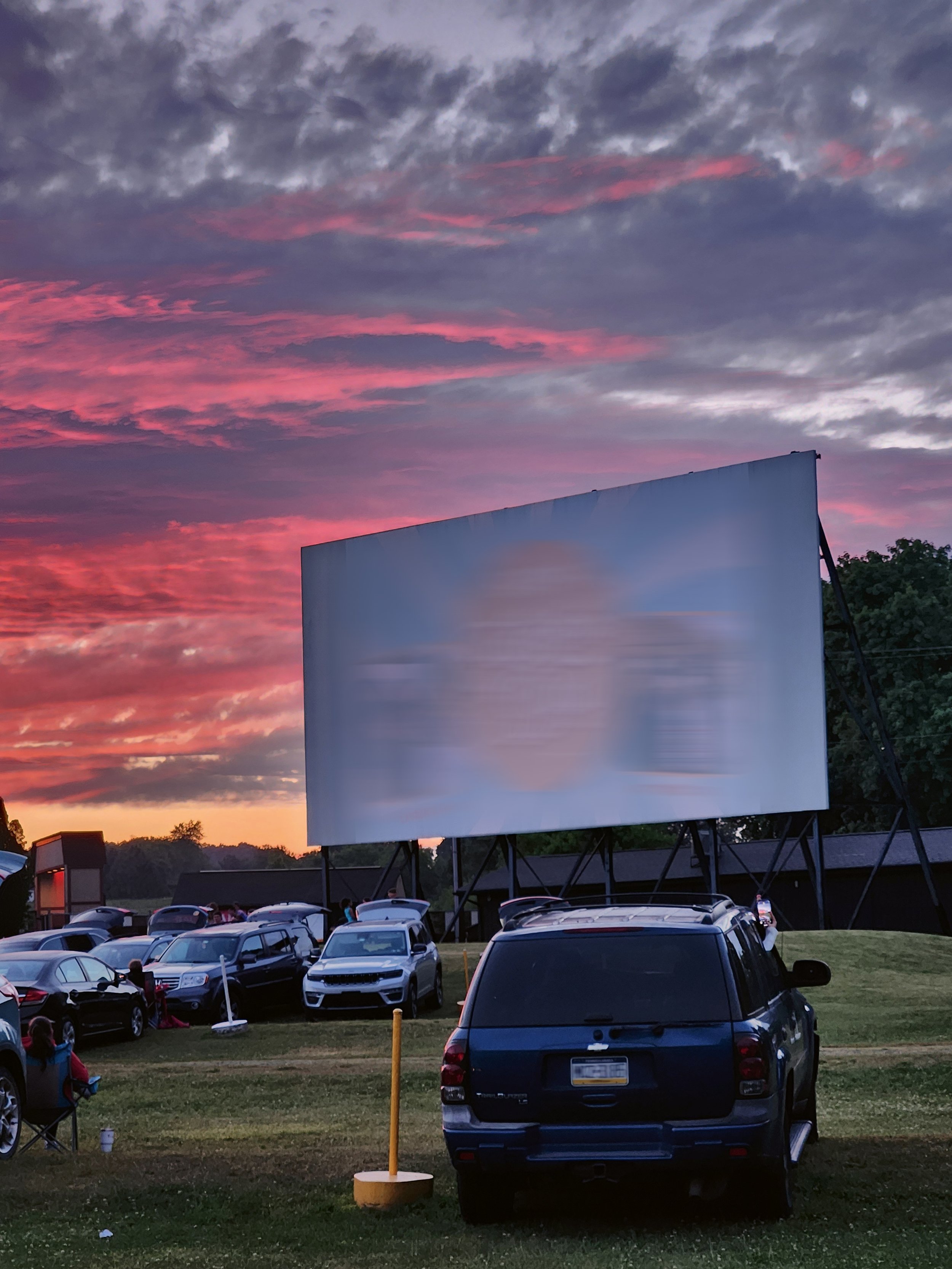
I went to a publisher and asked if they'd be interested, and they were like, “Yeah!” Everybody loves cinema. Most people in the world have been in a cinema and have had a lovely experience in one. It's not like doing one that's a very niche building or something weird. Everybody has their favourite cinema, and everyone has an experience of being in one. We started to work on it, and we wanted to show a wide variety of different cinemas, from drive-ins to Art Deco. To tell a history of cinema, as well as the history of the 20th and 21st centuries, in terms of the boom of the car and the impact that the Great Depression had on cinema. It's not just about cinemas, and it's not just about movies; it's about us as a civilisation, I guess, in the cultural way.
(FR): You could go all over the world with this book. It's a moviegoer’s bucket list or travel guide.
(JC): In the time that I've been writing it, set-jetting has become a thing. So it feels like it fits into that as well, where people like to go places for their ‘gram’ that have a story. Most of these places are something you'd want to put on your Instagram and say, ‘This is the last remaining one of this,’ or ‘This is the one where Lee Harvey Oswald got caught by the police after JFK got assassinated,’ or ‘This is the one that Elvis used to like.’ It’s unintentional, really, but it sort of feeds into that idea that people like to travel and go to places that have a bit of a story.
(FR): Back to the Future is one of your favourite films. To be able to get into a DeLorean and travel to the heyday of these cinemas — wouldn't that be something?
(JC): Wouldn't it? When I was researching some of the big ones, I thought about how many people these used to seat — some of the really big whoppers like the Paramount or even the Michigan Theater that's now a car park in Detroit. They were just huge, with water fountains and chandeliers and some of them are still beautiful to look at. The Paramount is particularly a gorgeous thing. Yeah, I would love to go back and see it in the heyday when thousands of people are sitting down for a movie. It would be quite a thing.
(FR): So many of the big lavish movie palaces were eventually chopped down into multiple auditoriums; to see them restored would be something.
(JC): Yeah, when they were still a single screen. Some of them still are, which, as you say, is really quite unique now.
(FR): So many of them have transformed into performing arts venues, which is great that we still have some of these spaces around, but to see movies in some of these places would be a different experience.
(JC): And also the way that they used to have pre-film shows. Some of them, like the El Capitan Theatre and The Egyptian Theatre, used to have full-on shows that happened. It would have been amazing to see something like the Hell's Angels premiere at the Chinese Theatre, which had a full-scale dogfight and biplanes hanging all over the place. The scale on which people did things in those days was epic.
(FR): What were some of the histories that were particularly fascinating to you?
(JC): I really love the Michigan Theatre in Detroit because it is so interesting that it was built when Detroit was booming because of the car industry. It was built on the site where Ford had his first workshop. Cars brought that to life, and then ultimately, cars destroyed it because people stopped going to the cinema in town. They started going to the multiplexes, etc. Now it's a car park. I love the fact that the automobile is part of that story from beginning to end. Since I wrote the book, they're actually working to sort of restore it a little bit. They're doing things with it because they realise that actually that is such a huge piece of Detroit history; the motor city starts and ends there.
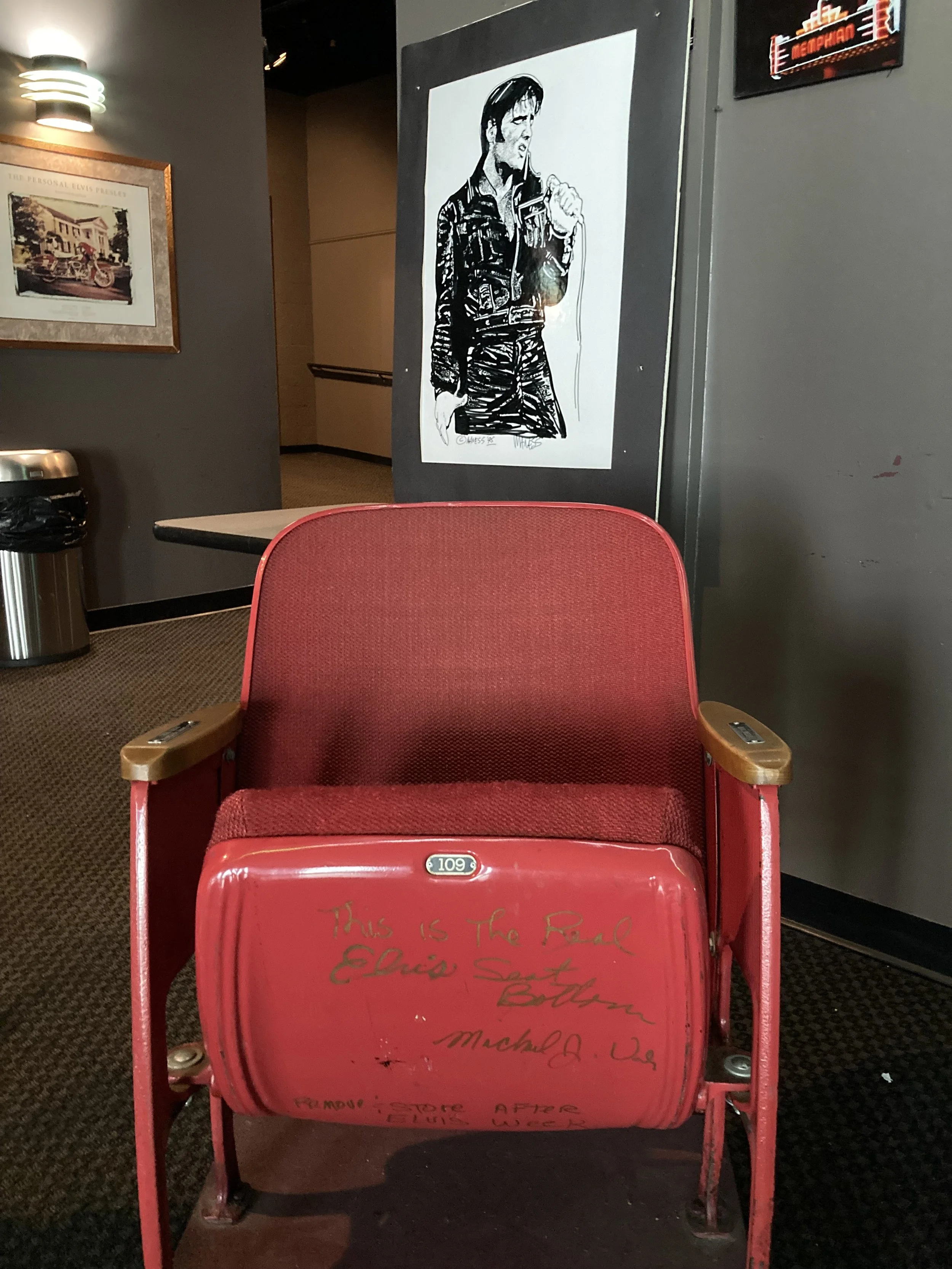
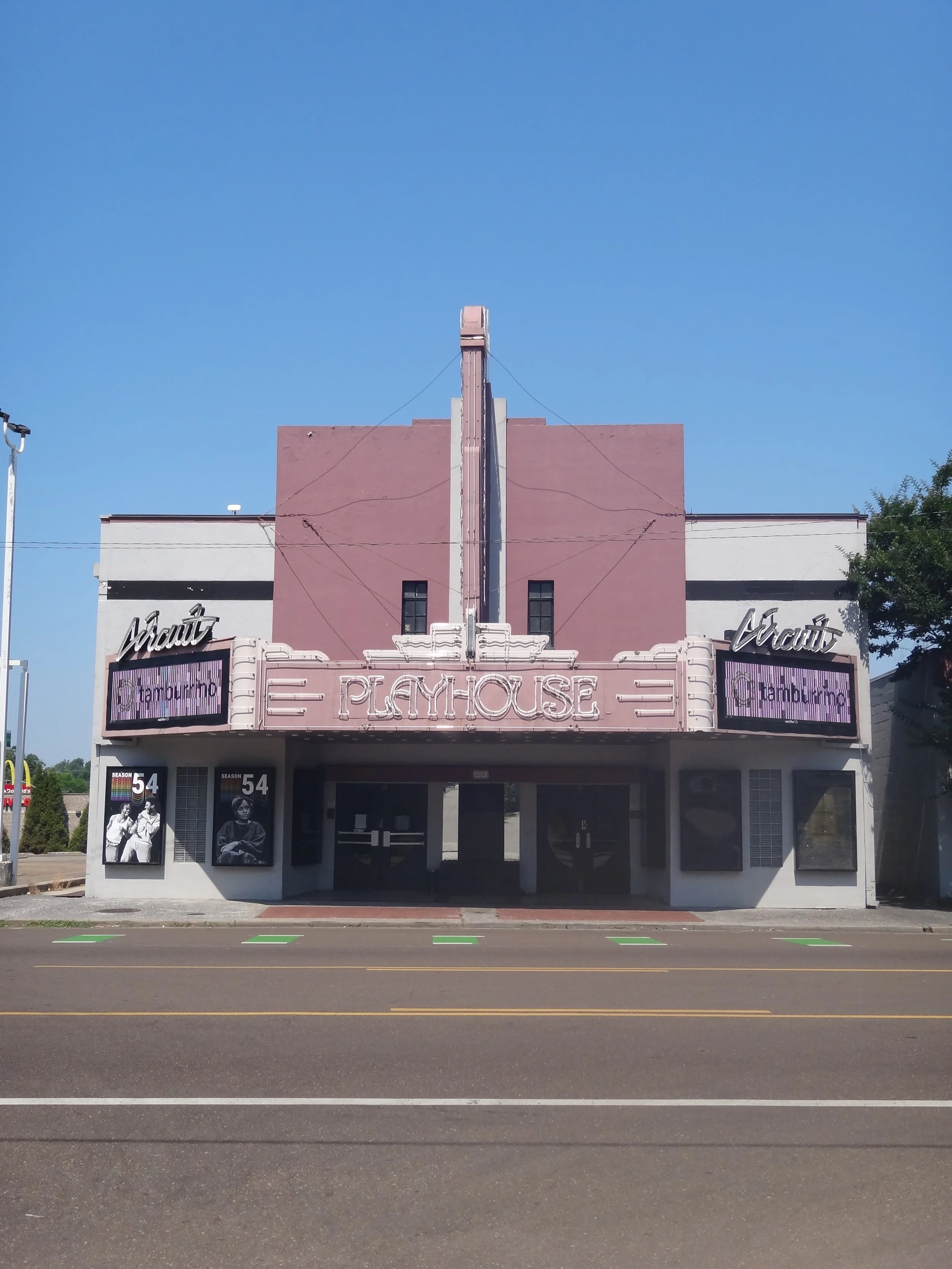
I'm a big Elvis fan, so I really enjoy going to the Elvis theatre [the Circuit Playhouse] in Memphis, which I think is just really interesting. He's one of the 20th century's biggest entertainers. He has this huge mansion that has a TV room; he can watch films there. But he also recognizes that going to a cinema and an auditorium with other people, and having that darkened atmosphere and reverence for what you're about to watch on screen, is something special that you cannot get at home. So he goes down seven miles from his house, with all of his mates, the Memphis mafia, to watch films from midnight right through to dawn, because he loves the experience of a cinema.
The Winter Garden and Elgin theatres in Toronto are obviously a big part of the Toronto International Film Festival now, and loads of films are shown there, but it's also the last remaining stacked theatre in the world. These Edwardian theatres used to have one theatre below and one theatre above. They're also atmospheric; one of them is like a fairy tale wood, which you just don't see nowadays, and it has four ghosts. I mean, what's not to love about a cinema with four ghosts?
(FR): There are so many stories about cinemas being haunted. That's a fun part of the history too.
(JC): Absolutely, theatres are always haunted, so why not cinema?
(FR): What are some of your favorites in the book in terms of theaters that you've been to and that you love watching movies at?
(JC): I love the Chinese Theatre in LA, because as a girl from Yorkshire in the UK, that was always the ultimate cinema. It's a landmark building in its own right. It's probably the most famous cinema in the world. I think everybody knows that cinema. It's been in so many films itself, an absolute ton. When I finally got to go to LA, the thing I had to do was to put my hands in the old handprints outside and go to see a film there. In the UK, I love the BFI for the similar reason that the London Film Festival runs out of there, and it has a lot of history to it as well.
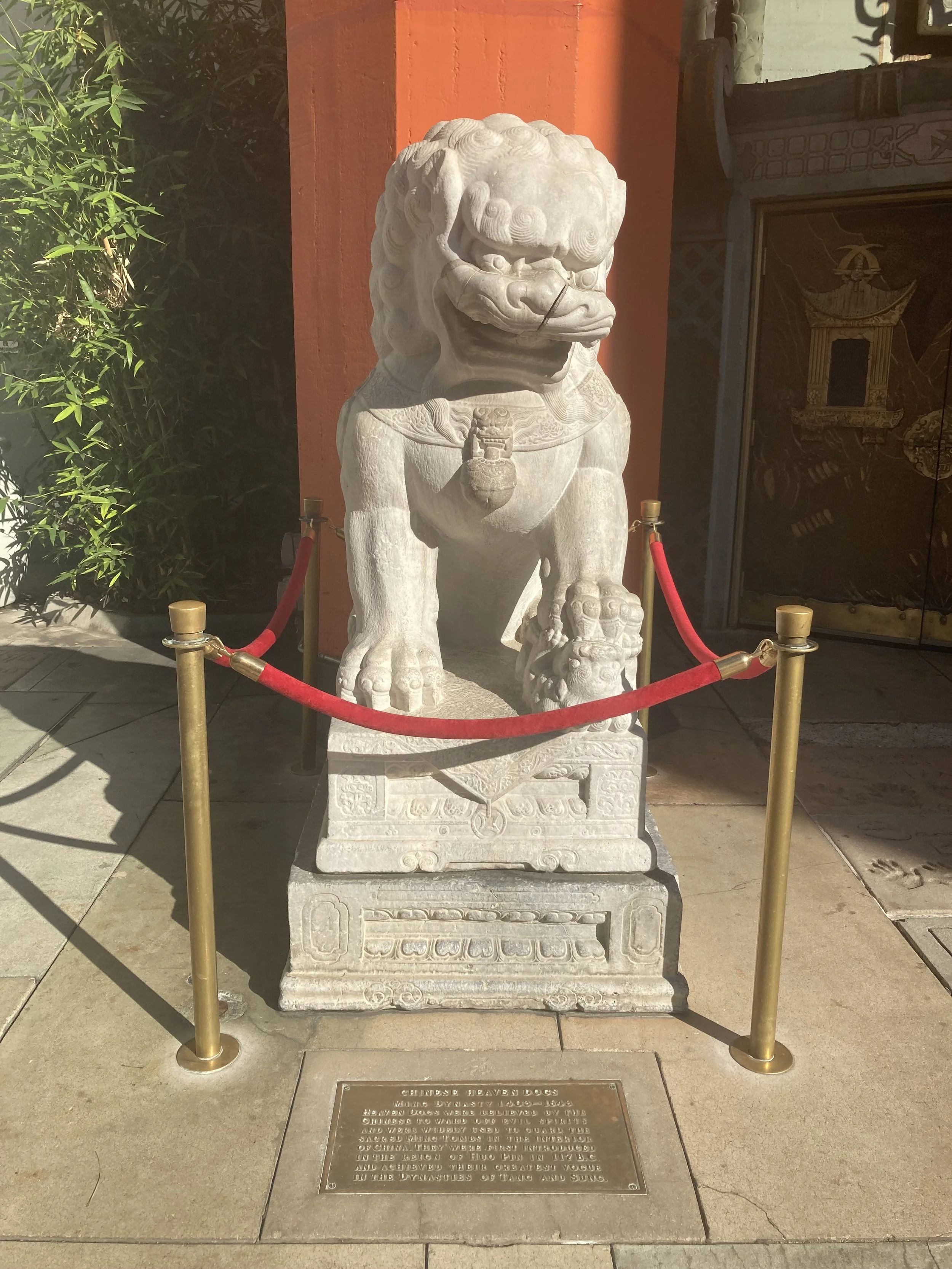
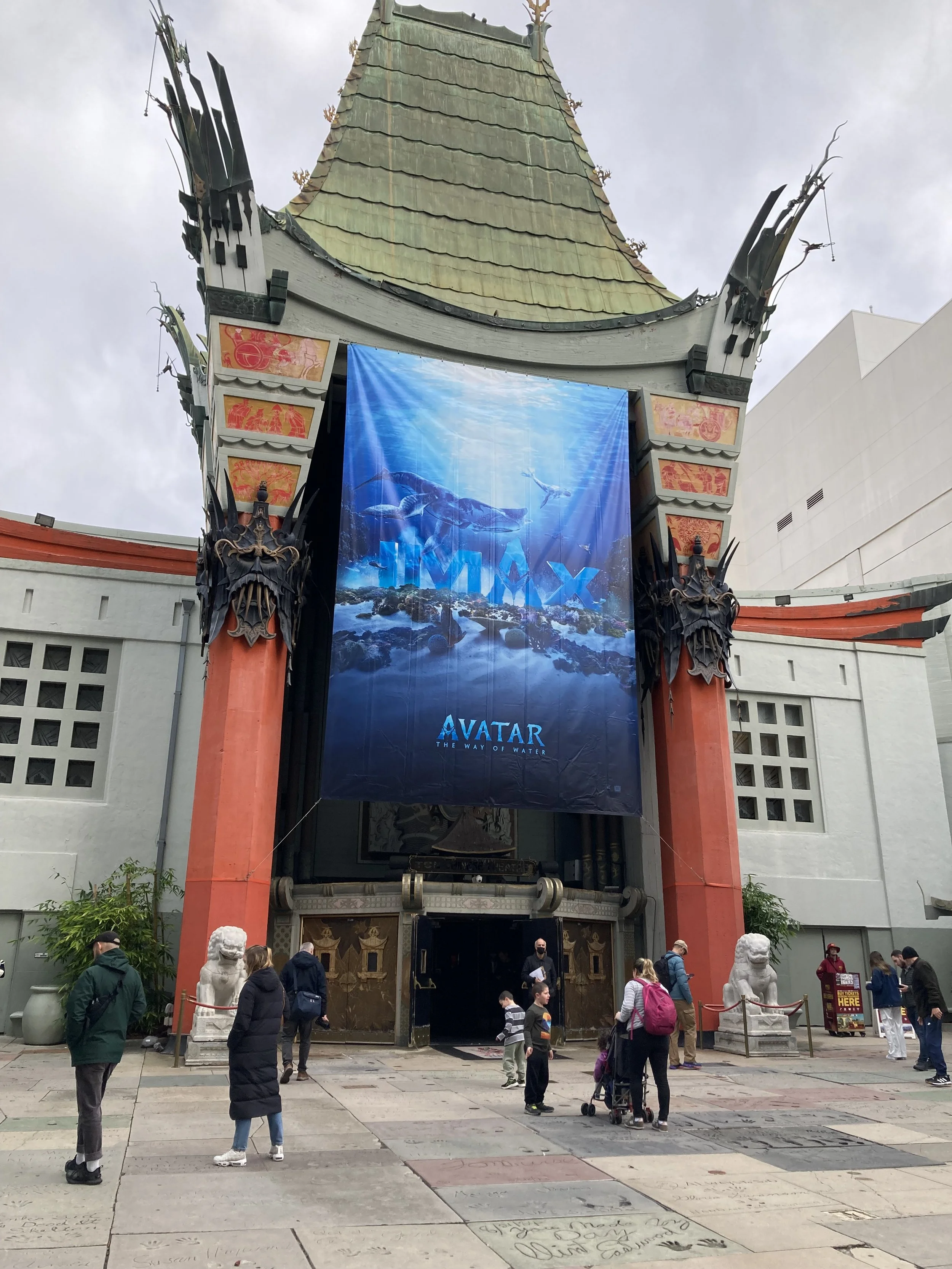
There's one near my hometown, the Hyde Park Picture House in Leeds, which still has gas lamps. It’s just a delightful place. I think it’s the last one in the world that still has gas lamps, and they still light them. When they were refitting it, they had so many problems putting gas into a public space, but they did it because it's such a unique thing. The light in there is a particular kind of light because of that. I love the Cinerama Dome because it's such a ridiculous thing; it looks like a golf ball. When I used to go, the staff were so enthusiastic at that cinema. I also love the sort of cultural imprint of places like the Castro Theatre in San Francisco, which is such a part of the LGBTQ community, and Harvey Milk being so integral to that space as well. It's still a massive focal landmark in that community and in that neighbourhood.
They’re all chosen because I love them, but I haven't been to all of them. There are some that I haven't been to that I have on my bucket list. It’s obviously quite tricky to get to Moscow at the moment, but I would love to go there, where Battleship Potemkin was shot, and the history that's part of that as well. There are ones in Scandinavia that I haven't been to, the Katuaq and various other ones that are in beautiful, bleak snowscapes. I'd love to go to those. I think there can't be anything more lovely than seeing a film in the dark and going out and it being all snowy and beautiful outside.
(FR): How did you narrow down your list? I'm sure that there were some that didn't make the cut?
(JC): Loads. Every time anyone picks up the book and opens it, they're like, ‘But why is this not in?’ The truth is, it would be several volumes if we did every one. There are so many cinemas, and maybe there'll be a Volume Two, who knows. But the criteria was to try to find ones that had a story in themselves. They weren't just pretty or loved cinemas. They were distinct and remarkable in their own right for various reasons. It was just a case of finding ones with the stories that I liked the best.
(FR): Tarantino does come up a lot. Not only with his own cinema, but also on some of the marquees in the images. Was that intentional?
(JC): It wasn't, but it was a thing that he just kept turning up. Obviously, he's a huge cinema nerd. He has two in LA, and he's also been really instrumental in encouraging other people to restore and keep other cinemas alive. He turns up in Australia, where people have brought old, grand dame cinemas back to life. He does turn up on marquees, because I guess people love to see his films when they're doing that sort of [repertory] programming. It was not intentional at all, but I think Tarantino, Martin Scorsese and Edgar Wright — there are lots of directors that are passionate about cinema and the actual act of going to it, as well as the art form they are making with their own works of art. Christopher Nolan is a big, big proponent of the theatrical experience. I hope that Christopher Nolan would approve of this book, that it's encouraging people to actually buy a ticket and go and see something in a cinema.
I'm in a privileged position, having been a film critic for a number of years and a film editor of Total Film magazine. I've been in a very privileged position to see films theatrically in really nice screening rooms with great sound, great seats, and to see them as the director intended. As we've morphed more into streaming and watching stuff on our phone, we get away from that idea of going to the cinema and seeing something as a community and as the director intended. I was lucky enough with Nolan to have sat in on his sound mix for Dunkirk when he was doing that and watching the absolute specificity that he puts into his sound. Where it actually lands in a room, where it is in a sound, in a track, in a mix and how it emotionally moves an audience. I know he wouldn't want us to be watching his films on an iPhone. I think directors crop up so much in this book because the theatrical experience is how they want people to view their work.

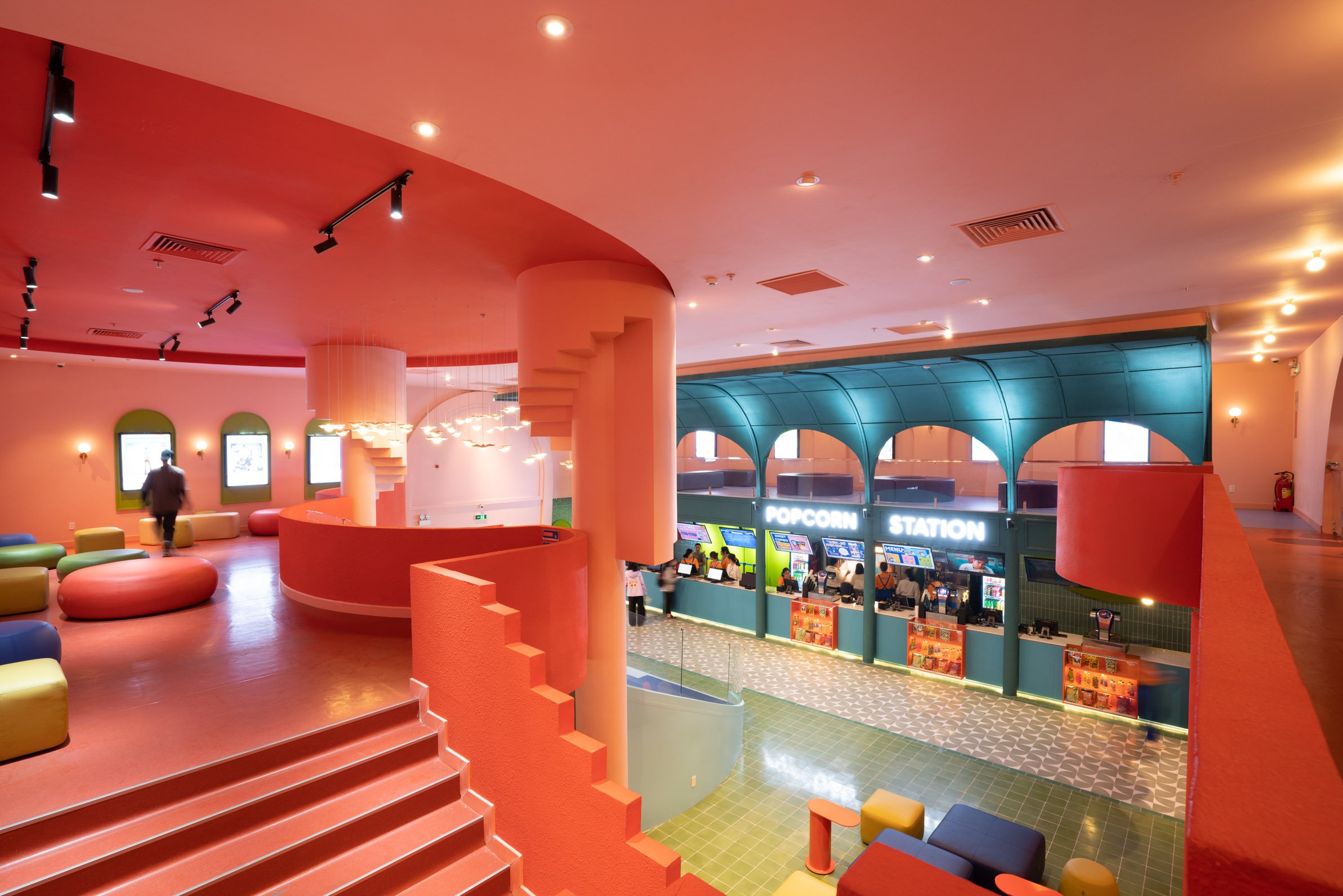
(FR): A lot of people tend to forget what it's like to be in a packed audience and have that visceral, ephemeral reaction in the air. It does something to you that you can't get when you're just sitting at home.
(JC): When you watch something scary and everyone jumps at the same time and laughs a little bit nervously, that's a delightful thing. Or when you're watching a film and you're snivelling away, and everyone else is wiping away their tears, and you can hear the tissue coming out. Or even the wow factor of a big twist. I remember when I saw No Time to Die at the premiere in London, and * spoiler * when Bond actually died, to see that with a group of people, where everybody goes, ‘no way’. You get goosebumps because it's a shared experience. It's a communal experience. I think it's more emotionally impactful than if you're doing it on your own in your lounge.
(FR): What are some of your foundational or early moviegoing memories?
(JC): I probably went to more before this, but my first film that I can remember was a re-issue of the Disney film Snow White. It was the first time I really remember being in the dark in the cinema, and when she goes into the forest and the eyes are all peeping out, it was so frightening and thrilling because I was in that dark space and with other people. I remember that being a really, truly magical experience.
And then, E.T., just the emotional wallop of that, and watching a film that truly gut punches you and then takes you to another emotional place in the final reel. That was a big one. I remember seeing Point Break for the first time and being amazed by not only the cinematography of the surfing but also that amazing scene that Kathryn Bigelow does, the foot chase. You're in it, and that was massive to me.
Moulin Rouge!, the ridiculous stuff flying at you. Baz Luhrmann and what you could do with imagination and his reverence for the red curtain rising, with Strictly Ballroom and the red curtain trilogy, that idea of being at a show, was really formative as well.
(FR): Growing up, you had dreams of being location seeing a film made. It seems fitting that in your next book, you're looking at film history through film locations.
(JC): I used to read lots of film magazines as a kid, and the idea of being on a film set was so magical to me. To actually see how they did it. Then in my job, I actually got to do that a lot. It was a ‘pinch me’ moment every time. When you see a film and you get a really lovely feeling about it and a sense that you want to step inside it, I've always responded to that by going to the places that it's set or filmed, because then you can have a little piece of that experience.
You can't actually step inside the film, but you can go to Crema in Italy and pretend you're in Call Me by Your Name and cycle around on bikes. I’ve done it. You can go to Vienna and wander around like Jesse and Céline [in Before Sunrise.] I went to Hotel Del Coronado as a kid because I begged my parents. We drove down to Hotel Del Coronado because I loved Some Like It Hot, and it's still there. So I've been set-jetting without knowing it my entire life. There must be other people that do this and want to get in a film, but can't. This is the closest thing you can do to that.
Silver Screens by Jane Crowther is out now from Pavilion Books. To learn more and read the book, visit Pavilionbooks.com.
JANE CROWTHER has been writing about movies and the ephemera surrounding them since her teens when she started out as a youth writer on The Yorkshire Post newspaper. Since then she’s written about the silver screen across all platforms for numerous outlets, as well as commenting and reviewing on TV and radio. She was the editor-in-chief of Total Film magazine from and is now Editor-in-Chief at Hollywood Authentic Magazine, collaborating with photographer Greg Williams to make a large format, lux film print magazine that goes behind the velvet rope. Jane is the chair of the London Film Critics’ Circle and a member of BAFTA and the Critics’ Choice Association.