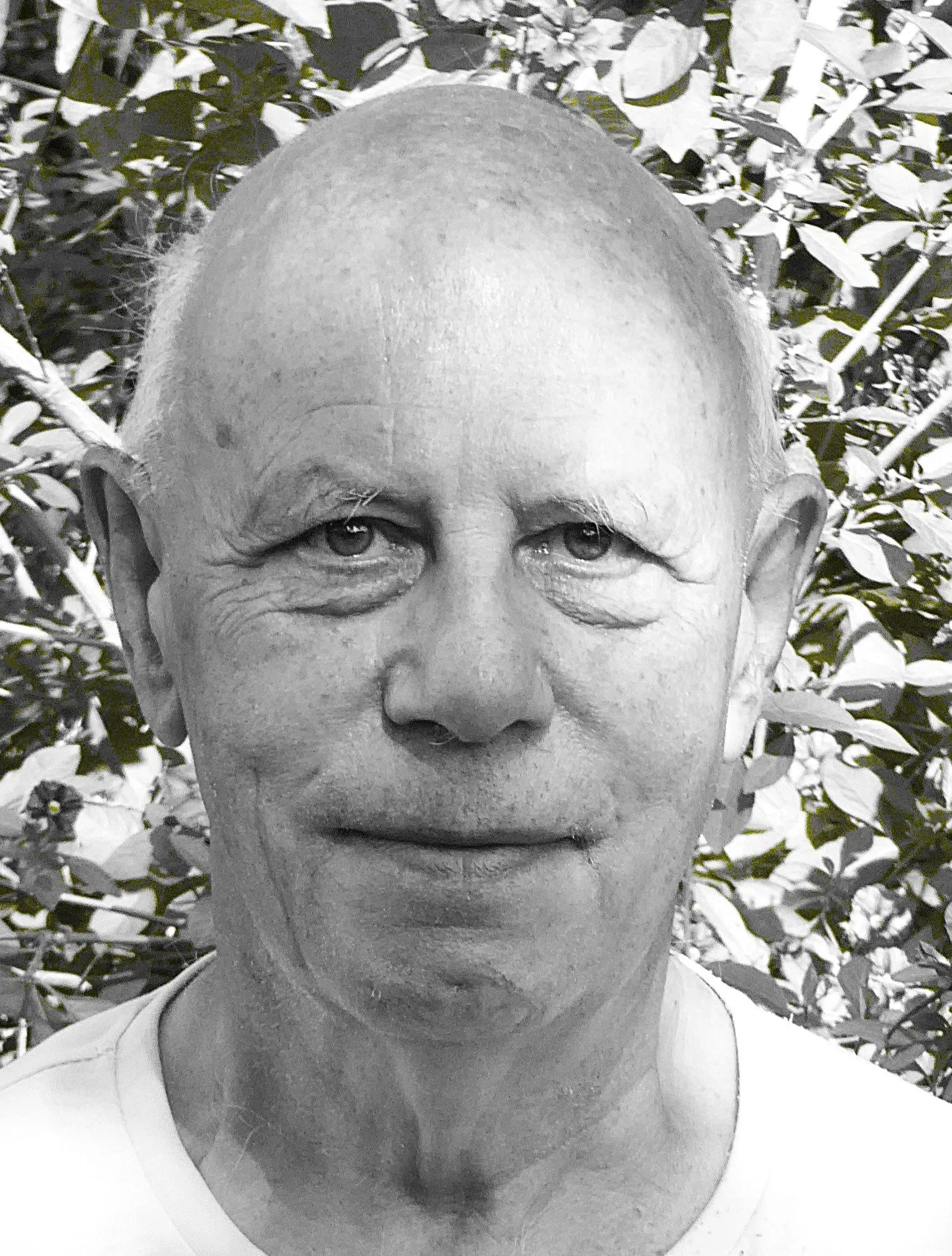

Yuval Abraham and Rachel Szor’s controversial documentary detailing the mass killing of civilians in Gaza is exceptional in every respect.
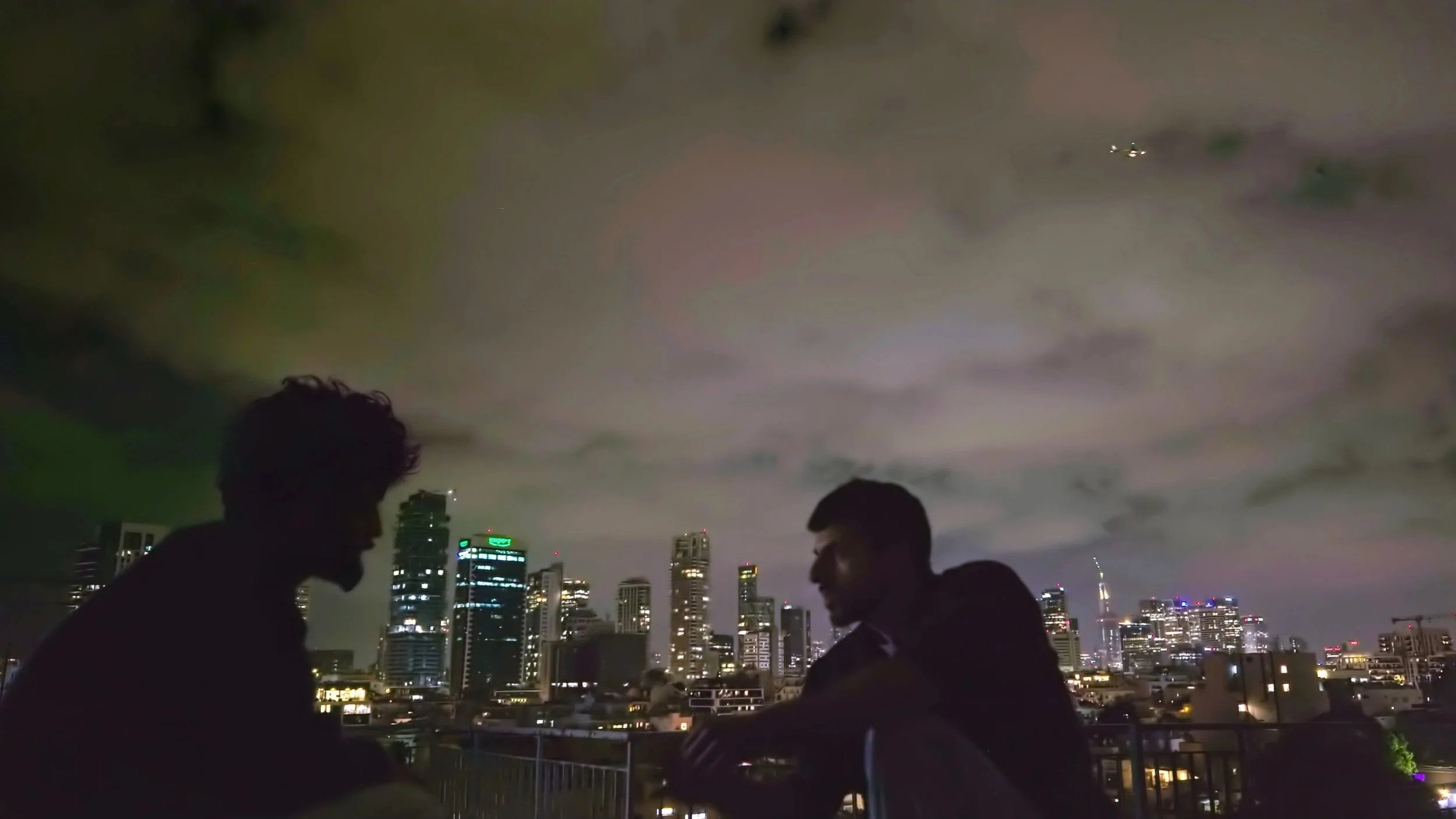
Image courtesy of Dogwoof Releasing.
by MANSEL STIMPSON
So appalling is the situation in Gaza that it is hardly surprising that a number of films have been made exposing what life is like there. Each one has its own individual focus but all of them are important and their quality has been recognised through the awards that they have received. Titles that come to mind are The Voice of Hind Rajab, Put Your Soul on your Hand and Walk and Planet Israel. The latter made by Gillian Mosely, a work in which she as a Jew felt it necessary to say that Israel had lost its moral compass, is the least famous of these but I found it outstanding. However, that can also now be said with absolute assurance of NAZA. It has deservedly received huge and immediate attention through being the winner of no less than five awards at this year’s Venice Film Festival including the Special Jury Prize.
In addition to that acclaim, which extends to awards at three other festivals as well, NAZA has a strong pedigree since it is the work of Yuval Abraham and Rachel Szor. This is only their second feature but they were the two Israeli filmmakers who shared the directorial credit on No Other Land with two Palestinians, Basel Arda and Hamdan Ballal, and their collaborative effort won the Oscar for Best Documentary Feature in 2025. That piece focussed on the situation in the West Bank and made apparent the extent to which Abraham and Szor were hugely critical of what their countrymen were doing there. That same outlook is evident in their view of Israel's actions in Gaza in this new film.
The very title of NAZA proclaims the specific focus of this piece since it is an acronym used in Israeli military parlance for collateral damage which in this context means the predicted number of civilian deaths linked to a military strike and regarded as acceptable. What the film offers are revelatory comments made to Yuval Abraham by twenty-four military intelligence officers and soldiers. Speaking from personal experience they reveal the extent and the circumstances in which civilians including women and children have died as a result of the attempt to destroy Hamas. Those speaking out – the majority of them people who have become shocked by what they had become part of through being cogs in the wheel – know that if they were identifiable they would be likely to face jail sentences. Consequently, the interviews were carried out at night on a rooftop in Tel Aviv where they would be undisturbed and the interviewees are seen in shadow and anonymous. Indeed, in these scenes which make up the greater part of the film the only on-screen figure clearly visible is Abraham himself.
The very nature of the film ensures that it stands as a devastating rebuttal of Netanyahu's statement that civilians in Gaza were not being targeted. Nevertheless, I had wondered prior to my viewing of it if the conditions of the filming might be a handicap which would leave one admiring the intentions rather than finding it a satisfying cinematic experience. But, while it remains the case that it is the words spoken that are key, NAZA proves to be genuinely distinguished as an example of the filmmaking art. That fact is far from being the most important aspect of it, but it is nevertheless greatly to the credit of Yuval Abraham and Rachel Szor who together edited as well as directing whilst Szor also had a share in the photography.
There are in fact two elements which in terms of its craftsmanship mark out NAZA as an exemplary piece of documentary filmmaking. The first is the way in which the material has been handled in a structured way. The interviews took place between 2023 and 2025 and there is a certain degree of chronological order to what we see. However, concern has clearly been given to taking the viewer through the various stages covered in the order that feels most suitable. Thus, early comments enlighten one regarding the tracking down of those believed to be Hamas operatives, a procedure that involves both eavesdropping through telephone sensors and the use of an AI database known as ‘Lavender’. The latter is a key tool in identifying these targets and is relied on regardless of an error rate of 10%. Another system, ‘Where’s Daddy?’, checks on the times when a suspect could be killed at home and is acted on regardless of other family members being present.
Having explained clearly the methods adopted and their consequences, NAZA moves on to reveal how the IDF would destroy homes for their own sake and references specifically the deliberate wholesale destruction of areas in Northern Gaza where some Palestinians remained after they had been ordered to leave and to move south. Later on, with food shortages becoming chronic, we learn of snipers regularly killing those who approach the supply area by a valley route. Following on from that the film refers to a special unit, ‘Bibi's Department’, which was set up to discredit and coerce those Palestinians who, having survived war crimes, might take issue with what had been done to them. It also becomes apparent that over time more and more homes would be targeted when a family was clearly known to be in occupation.
By building up its revelations in this way NAZA continually offers new insights and ensures that the limitations of the rooftop location and the anonymity given to the speakers do not cause it to become wearily repetitive. The other factor that is so well judged is what we see visually: the words always remain crucial but, without ever distracting from them, the film finds variety in the night views of Tel Aviv and its lit windows and through the inclusion of a number of short breaks when the material can usefully be expanded through the inclusion of newsreel footage relevant to Gaza or to Tel Aviv. The way in which all this prevents the film from being weighed down by any sense of claustrophobia is the more to be admired because one hardly notices it being done.
However much the Israeli authorities may seek to challenge the authenticity of the film and to hound its makers, NAZA will strike most viewers as a true and horrifying indication of recent events in Gaza and, like Planet Israel, it provides a moving climax by turning to footage of ordinary Palestinians in the midst of their suffering. Given all that is stated here, one comment made in the course of the film stands out and haunts the mind. It comes from a man who, having spoken out, adds this: “There are things I can't say. I'm sparing you".
Featuring Yuval Abraham.
Dir Yuval Abraham and Rachel Szor, Pro Harry Davies, Lindsay Poulton and James Wilson, Screenplay Yuval Abraham, Ph Anonymous and Rachel Szor, Ed Yuval Abraham, Rachel Szor and Harry Davies.
MK2 Films/Placeholder Films/Unseen Hands Productions/JW Films/The Guardian Docs-Dogwoof Releasing.
77 mins. UK/USA. 2026. US Rel: 9 October 2026. UK Rel:16 October 2026. Cert. 15